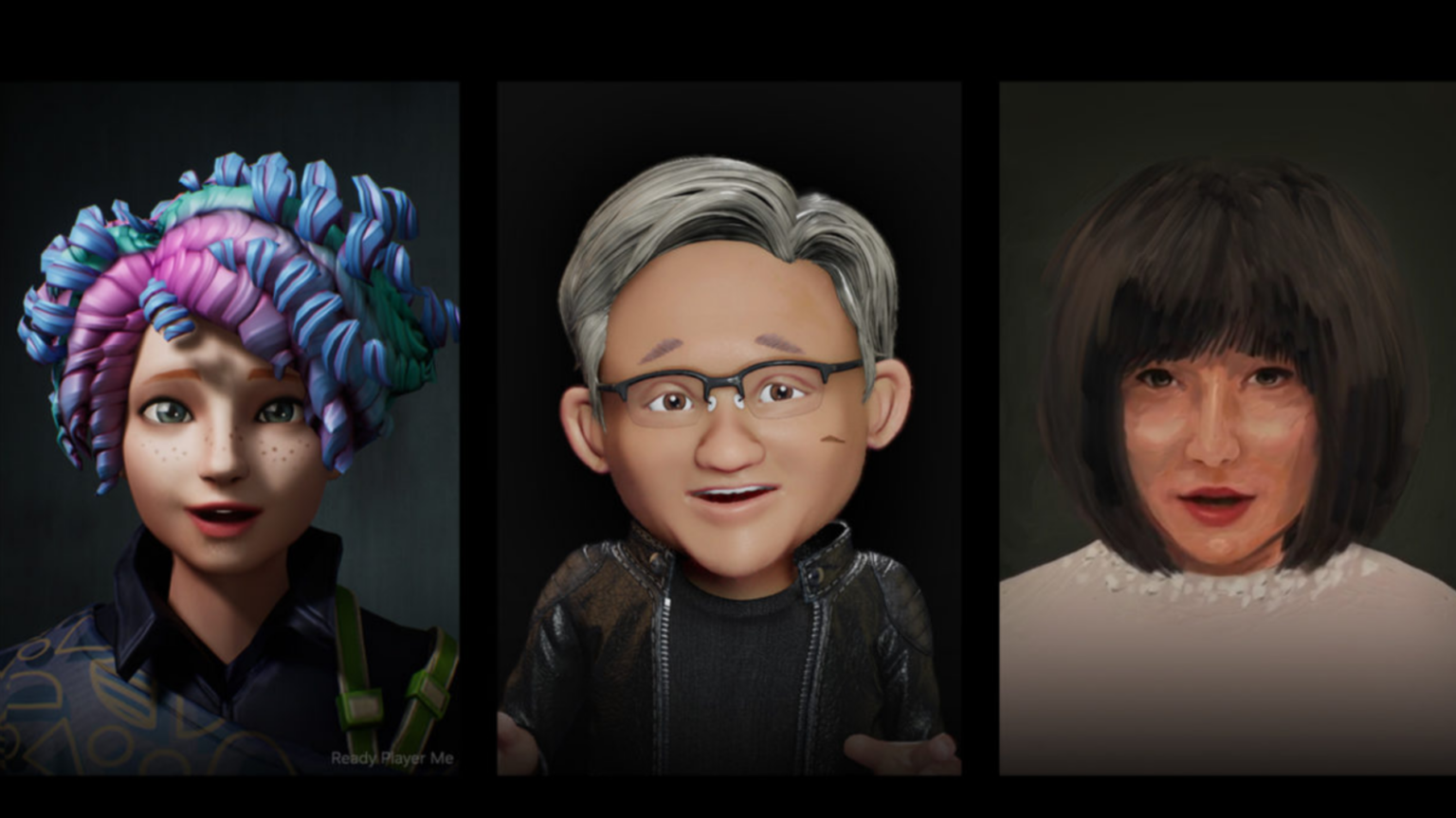
Nvidia CEO Jensen Huang says "the future is neural rendering" at CES 2026, teasing DLSS advancements — RTX 5090 could represent the pinnacle of traditional raster
During a Q&A at CES 2025, Nvidia CEO Jensen Huang says that the future of graphics is neural rendering, and that the company is "working on things in the lab that are just utterly shocking and incredible."
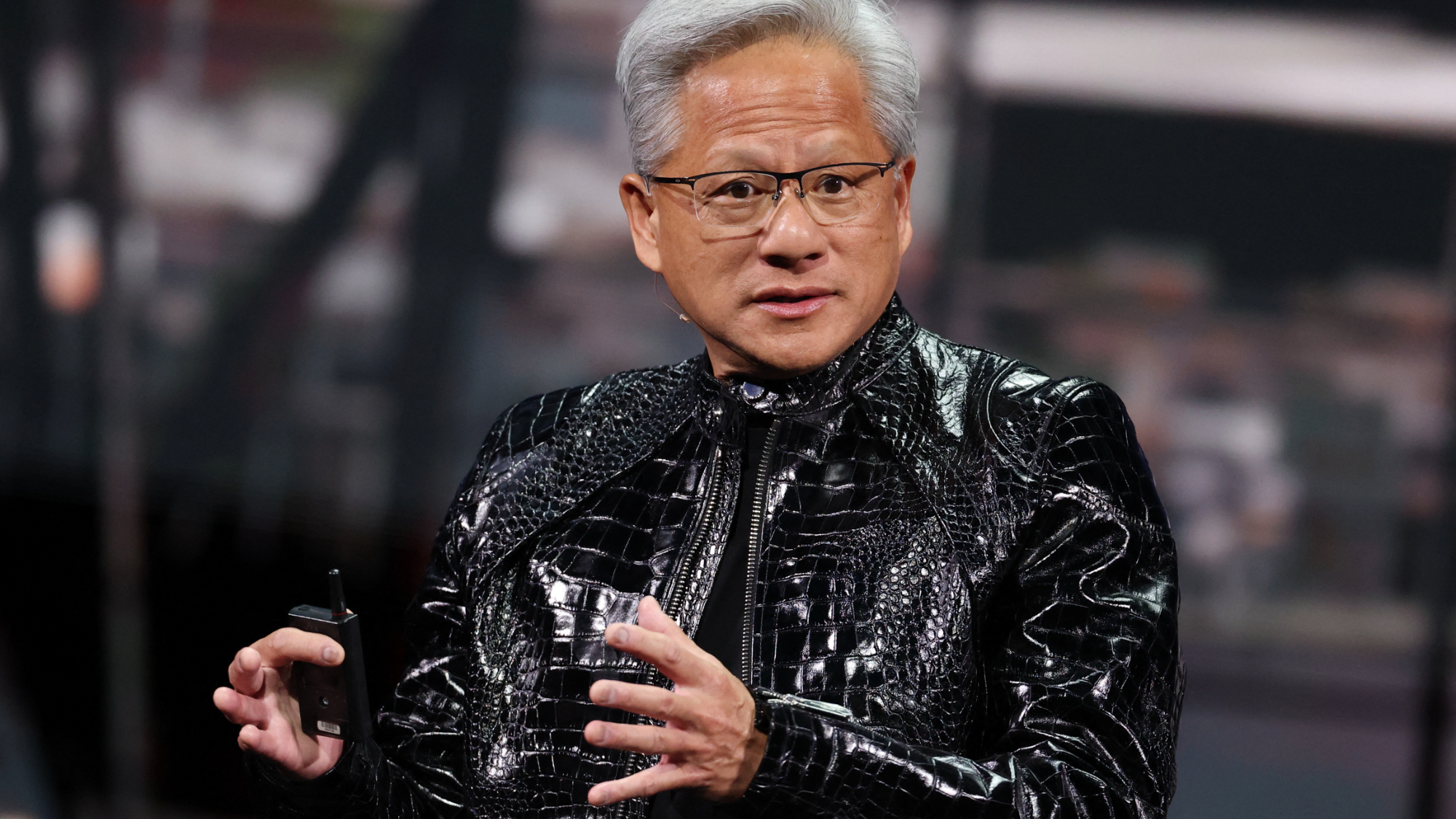
(Image credit: Getty / Patrick T Fallon)
For the first time in five years, Nvidia, the largest GPU manufacturer in the world, didn't announce any new GPUs at CES. The company instead brought the next-gen Vera Rubin AI supercomputer to the party. Gaming wasn't entirely sidelined, though, as DLSS 4.5 and MFG 6X both made their debut, major upgrades to AI-powered rendering that seems even more crucial given the comments that have followed its announcement.
At a Q&A session with Nvidia CEO Jensen Huang, attended by Tom's Hardware in Las Vegas, the executive offered his thoughts about the future of AI as it pertains to gaming to_PC World_'s Adam Patrick Murray, who asked Huang: "Is the RTX 5090 the fastest GPU that gamers will ever see in traditional rasterization, and what does AI gaming look like in the future?" Jensen responded by saying:
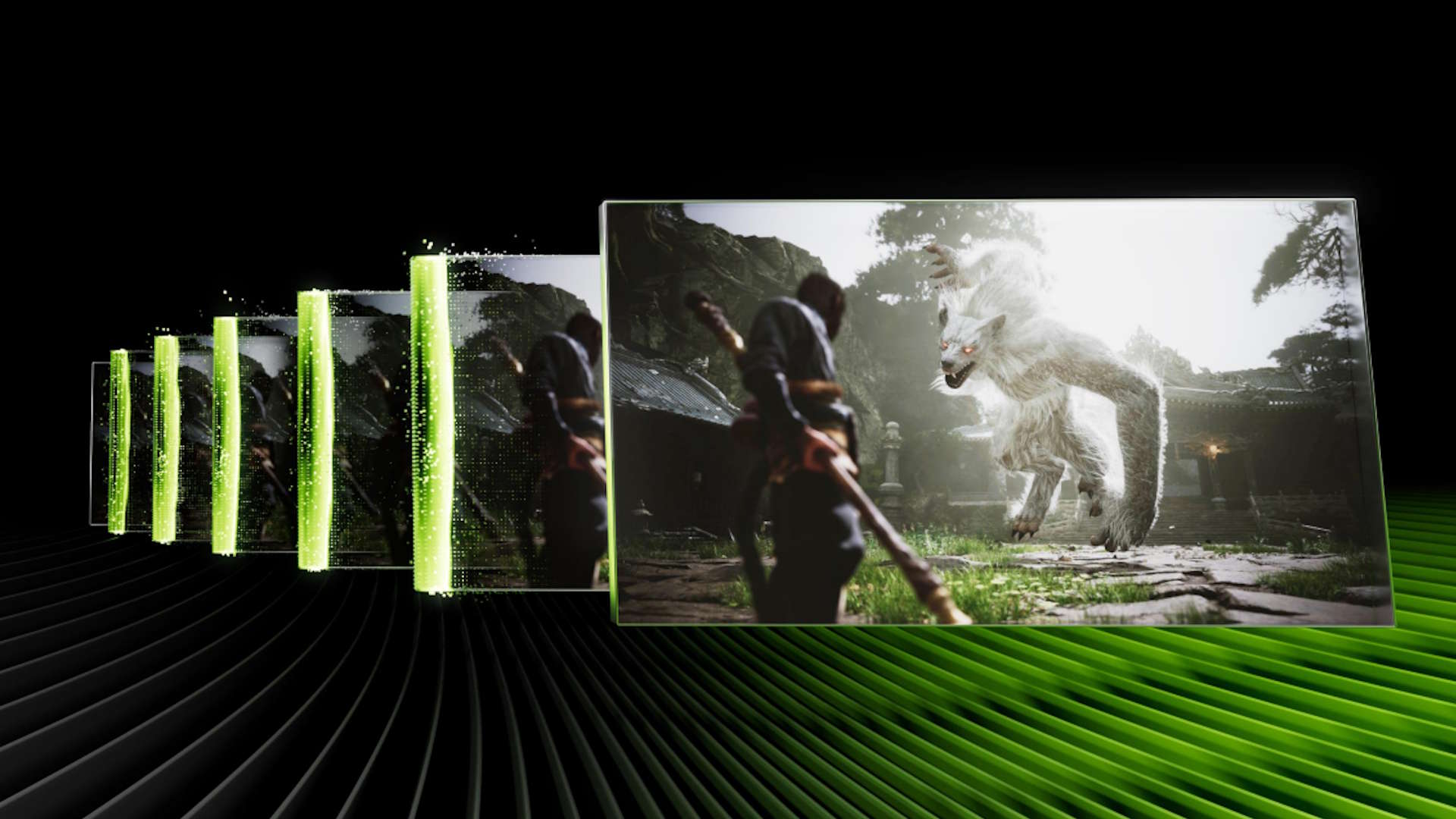
(Image credit: Nvidia)
With the way games are optimized (or not) these days, upscaling and even frame-gen are expected parts of the performance equation at this point. Developers often count DLSS as part of the default system requirements now, so Jensen's enthusiasm for the tech is timely and, of course, characteristic.
Going as far as to say that the "future is neural rendering" is a strong indication that the raster race might be over, and that it's "basically DLSS" that will push us past the finishing line now. As companies experiment with more and more neural techniques for operations like texture compression and decompression, neural radiance fields, frame generation, and even an entire neural rendering replacement for the traditional graphics pipeline, it's clear that matrix math acceleration and purpose-built AI models will play ever larger roles in real-time rendering going forward.
The CEO extended his passion for AI by talking about how in-game characters will also be overtaken by AI, built from scratch with neural networks at the center of them, turning NPCs lifelike. It's not just photorealism, but also emotional realism, perhaps taking a load off the CPU that would otherwise compute logic for random characters. has already been working toward this for a while now and is currently .