Nvidia's next-gen RTX 60 series might not debut until the second half of 2027, says leaker — rumor claims Rubin architecture will power future consumer GPUs
Rumors claim that Nvidia will be launching its next-generation RTX 60 series graphics cards in 2H 2027 and building its next-gen GPUs on the Rubin architecture.
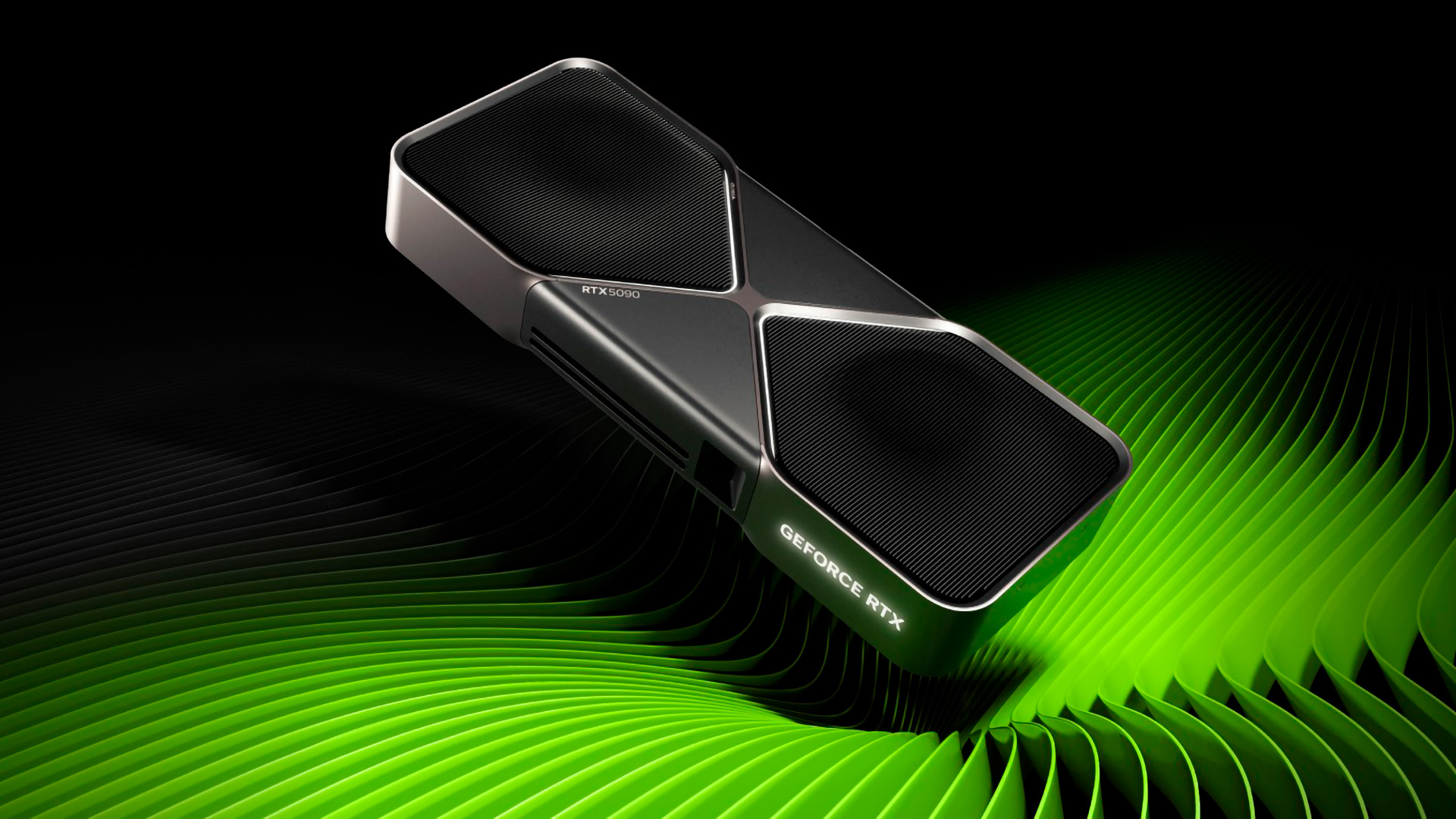
(Image credit: Nvidia)
Hot off the heels of Jensen Huang's CES 2026 keynote (and the lack of any new GPU announcements), a new leak has cropped up purportedly spilling the beans on Nvidia's next-generation RTX 60 series GPUs. Famous hardware leaker kopite7kimi on X claims that Nvidia will be using the Rubin architecture RTX 60 series graphics cards, in the form of "GR20x" dies, and will be launching the new GPU lineup in the second half of 2027.
For now, Rubin is Nvidia's next-generation datacenter architecture that will succeed its current Blackwell-based products. Rubin is the beating heart of Nvidia's upcoming Vera Rubin NVL72 AI supercomputer and its Rubin CPX accelerator card. What has not been known is what architecture Nvidia will use for its next-gen gaming GPUs. If Kopite's rumor is true, then Nvidia will use the Rubin architecture rather than making an entirely new architecture strictly for its next-gen gaming cards. (It's rare for Nvidia to split architectures, but it is possible, for instance, Volta never made it to GTX or RTX gaming cards.)
We already saw hints last year that Nvidia could be toying with Rubin for the RTX 60 series. We covered a discovery last year where a semiconductor analyst found unused graphics-specific hardware blocks inside the aforementioned Rubin CPX accelerator card, despite the card being designed strictly for crunching through machine learning workloads. It only makes sense for Nvidia to add these blocks to Rubin if it planned to repurpose the architecture for 3D graphics work. The specs alone on the Rubin CPX GPU point towards a hefty 30% performance improvement if the GPU ever gets ported to an RTX 6090 SKU. (Not even counting clock speed, architectural, or node improvements.)
If Vera Rubin NVL72 is any indication, Rubin could represent a massive upgrade in performance for RTX 60 series cards, at the very least for AI-related workloads. Vera Rubin is up to 5x faster than Blackwell in AI-related applications, while increasing transistor density by just 1.6x. This might not wow gamers (and the 5x multiplier only applies to NVFP4 compute), but having substantially greater AI capabilities will be beneficial for running future DLSS iterations .