'Over-the-top': China sees red over Salman's Galwan trailer; cries distortion of 'facts'
Chinese state media, Global Times, has criticized Salman Khan's upcoming film 'Battle of Galwan,' accusing it of distorting facts about the 2020 Galwan Valley clashes. The movie, inspired by the deadly confrontation, features Khan as an Indian Army officer. Despite the film's portrayal, the PLA remains resolute in defending China's territory, according to the publication.
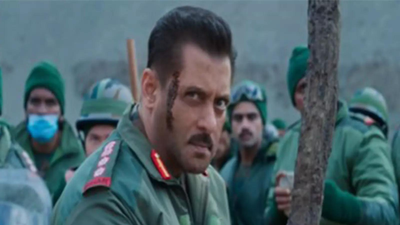
NEW DELHI: Chinese state backed Global Times has criticised Salman Khan's upcoming movie, 'Battle of Galwan', claiming that the film was "distorting facts"."Bollywood films at most provide an entertainment-driven, emotionally charged portrayal, but no amount of cinematic exaggeration can rewrite the history or shake the PLA's determination to defend China's sovereign territory," Global Times cited an expert saying.The movie is inspired by the 2020 clashes between Indian and Chinese forces in the Galwan Valley along the Line of Actual Control. The confrontation on June 16, 2020, claimed the lives of 20 Indian soldiers, while the Chinese side also suffered significant losses.
Salman first look from 'Battle of Galwan' goes viral as filming starts in Ladakh’s icy terrain
The film’s teaser was released to mark Salman Khan’s birthday, with the actor unveiling it on his Instagram handle. The preview features Salman in the role of an Indian Army officer, sporting a stern and controlled demeanour.Set against rugged landscapes and freezing conditions, the teaser includes close-quarter combat sequences, offering a snapshot of the harsh realities and challenges soldiers confront at high altitudes.In the aftermath of the clashes, India–China tensions escalated, prompting the army to deploy additional formations in and around the Galwan Valley along the Line of Actual Control in Ladakh. The forces also carried out several measures, including border surveys, to guard against any potential Chinese aggression.Since then, the two sides have gradually disengaged from multiple friction points along the border and established buffer zones in several areas.