‘People don’t want to think about it’: Pet animal shelters near crisis point
Pregnant and homeless at Christmas, a Staffordshire bull terrier named Peridot has been given a new year’s lifeline. But rehoming pets in need is becoming increasingly difficult.
Victorians are being urged to consider the long-term realities of owning a pet as the state’s shelters continue to struggle with surrenders and euthanasia rates continue to rise.
Between October and December, RSPCA Victoria triaged more than 720 inquiries from people requesting support or information about surrendering their cats or dogs. Some 73 pets arrived at RSPCA-run shelters, while 251 more animals were referred to council shelters or local rescue groups during the three-month period.
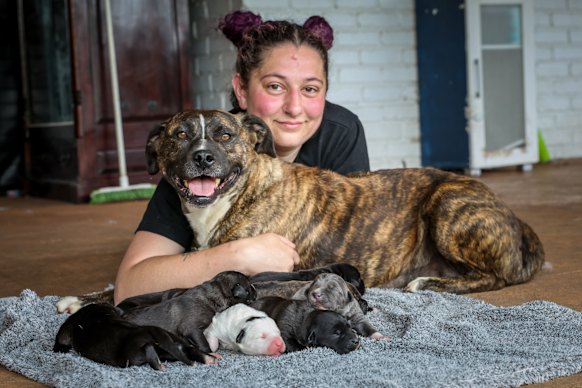
Jess Mogielski with Peridot and her litter of puppies. Credit: Justin McManus
Shelter staff said that before Christmas, which is a busy time for surrenders, they were at capacity and unable to take any more animals in.
“It’s a sad reality at this point that that’s where we’re at. Rescues are full. Shelters are full,” said Jess Mogielski, a volunteer with Starting Over Dog Rescue.
Loading
In late December, Mogielski took in a heavily pregnant Staffordshire bull terrier named Peridot, who became homeless after her owner died. With the man’s extended family unable to care for her, a flurry of phone calls were quickly made to animal shelters and council pounds across the state.
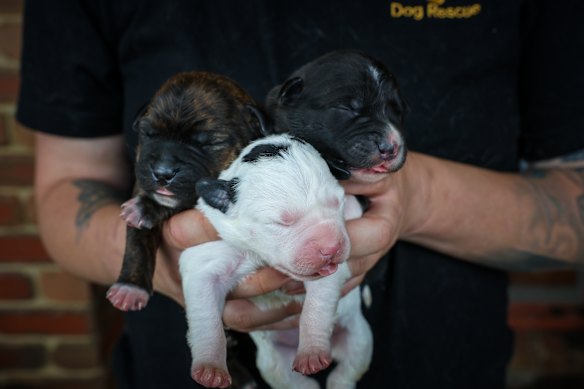
Though most were unsuccessful, a temporary foster home was found with Mogielski, a former veterinary assistant, and on Christmas Eve, Peridot gave birth to a litter of puppies.
In 2024, 11,223 dogs were admitted to shelters and pounds across Victoria and not reclaimed by their owners, according to the state government’s latest data.
Animal shelters are usually owned by animal welfare organisations such as the RSPCA, while pounds are generally operated by a local council – either directly or by a contractor on their behalf. These facilities also care for dogs and cats who are lost, injured or stray.
Other organisations, including Starting Over, do not operate a physical shelter, but volunteers keep animals at their homes until an owner is found. In 2025, Starting Over reported taking in more than 1500 dogs and about 300 puppies born to dogs while being fostered.
Having volunteered and worked with various animal welfare organisations for almost 15 years, Mogielski said pets being surrendered or abandoned by their owners had been a hidden issue for a long time.
“A lot of people don’t want to think about it … most normal people, they don’t understand the problem. They don’t see it,” she said.