Permanent disruption: How politics, pollution and power will define 2026

The world is not easing into 2026. It is edging forward under the weight of problems that have been deferred, denied or deliberately ignored. The warning signs are already visible in the air people breathe, the prices they pay and the conflicts that refuse to fade from the headlines.
What once felt like isolated crises now overlap and reinforce one another, turning strain into a permanent condition.Across continents, politics has grown more volatile just as cooperation has weakened. Climate extremes are no longer rare disasters but seasonal expectations. Technology is moving faster than the laws meant to contain it, while public trust struggles to keep pace. Health systems, bruised by years of crisis, remain exposed to threats both familiar and newly emerging.
Delhi’s Air Pollution Gets Attention, But Most Indian Cities Are As Bad Or Worse | I Witness
Hovering over this unsettled landscape are two defining forces: a United States comfortable with disruption and a China whose economic and strategic uncertainty ripples far beyond its borders.All together, these forces are shaping a world entering 2026 with fewer buffers, thinner margins and very little room for error.
Air crisis in Delhi
The national capital often chokes on winter smog. In late 2025, Delhi’s Air Quality Index (AQI) repeatedly entered the “severe” category, with readings above 450 on multiple days.
(AQI below 50 is “good.”) Thick haze traps toxic vehicle and industrial emissions, risking widespread respiratory illness. To cope, authorities have banned construction and older diesel trucks and even closed schools on very bad days.
The situation is chronic: Delhi, home to over 3 crore people, routinely ranks among the world’s most polluted cities during the winter harvest-burning season.Battling this “haze nightmare” will require tighter controls on emissions (from vehicles, factories and crop fires) and long-term shifts toward clean energy and transport.
Otherwise, Delhi’s smog will continue to haunt public health and productivity in 2026 and beyond.
Trump and the politics of permanent disruption
After a year defined by tariffs and grand claims of wars settled, 2026 the world will be watching Donald Trump with some amount of unease.Trade sits at the centre of that disruption. Trump’s renewed embrace of sweeping tariffs (announced on April 2 - 'Liberation Day') including blanket duties and so-called “secondary tariffs.”
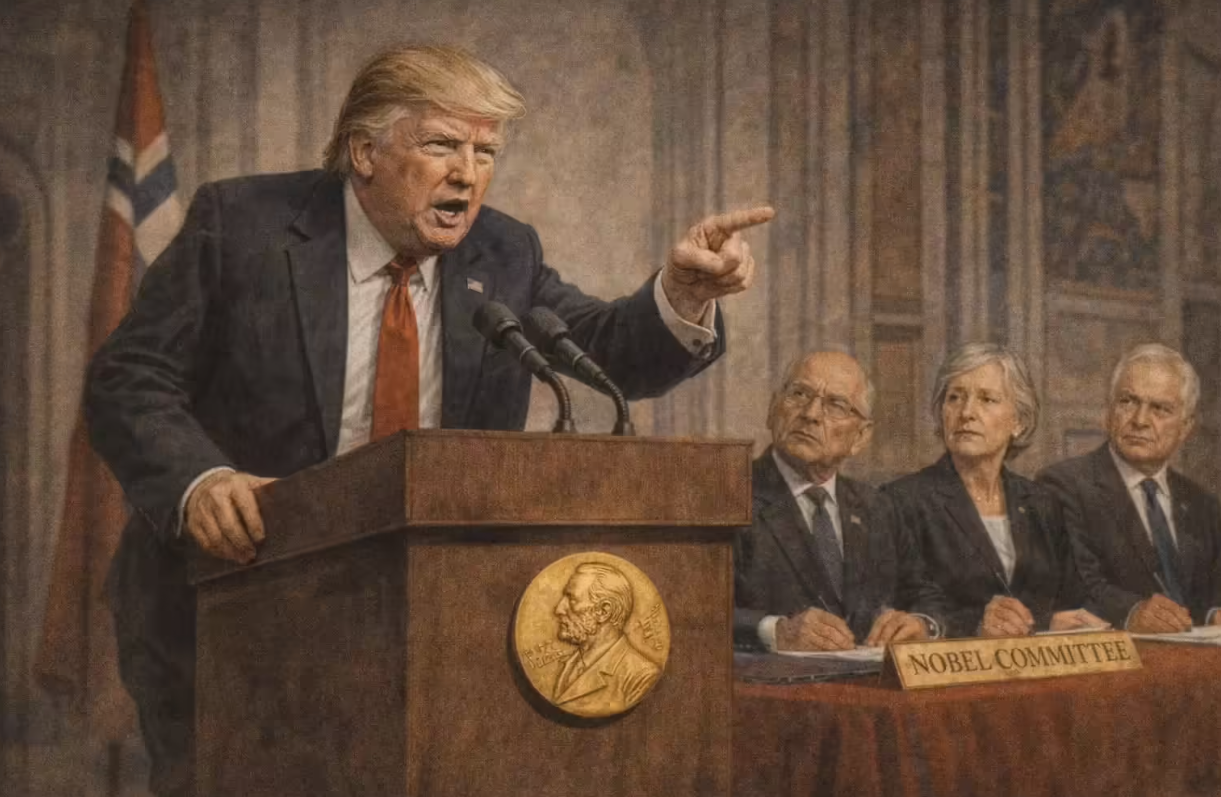
These measures are no longer targeted pressure tools; they are blunt instruments.
Export-dependent economies in Asia, Europe and Latin America face the constant risk of sudden penalties, while allies discover that loyalty offers little insulation from economic punishment. Supply chains painstakingly rebuilt after the pandemic are once again under strain.Trump’s foreign policy is equally transactional. In Latin America, his aggressive stance towards Venezuela combining oil sanctions, shipping restrictions and threats against third countries buying Venezuelan crude has injected volatility into global energy markets and revived regional instability.
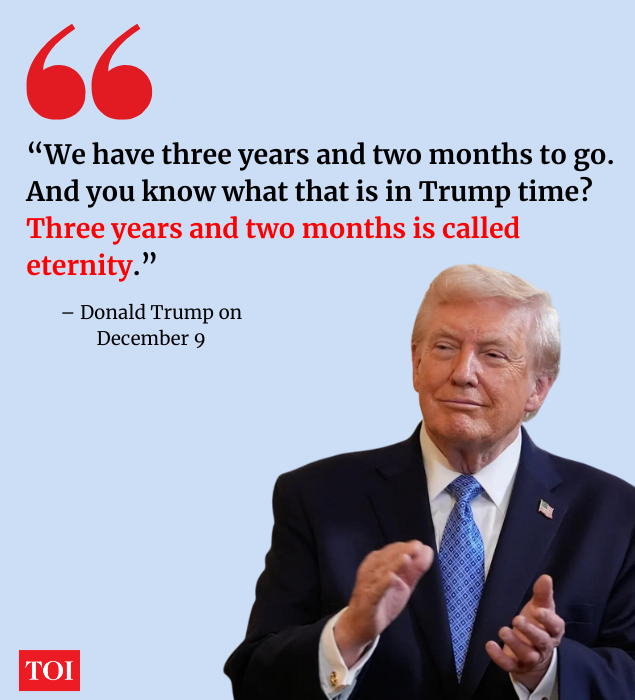
Climate commitments, aid packages, security guarantees and trade rules are treated not as shared obligations but as bargaining chips. The result is a weakening of the rules-based order and a return to power politics, where size and leverage matter more than norms.The Trump challenge in 2026 is not one dramatic rupture, but constant disruption. Every country must plan not just for what Washington might do, but for how abruptly it might do it.
Extreme weather becoming the new normal
Extreme weather is no longer the shock; the shock now is when nothing happens. In 2025 the US alone saw unprecedented disasters: for instance, a Category 5 Hurricane Melissa struck Jamaica, and record flash floods in Texas caused catastrophic damage. Carbon pollution is making such events more likely. Climate experts have reported that 89% of the record-high US temperatures in 2025 were made more probable by greenhouse gases, and that pollution boosted both hurricane intensity and wildfire risk.
Indeed, early reports indicate the first half of 2025 was the costliest ever for US climate disasters, with wildfires (notably in California) and storms each breaking records. Globally, 2025 was on track to be among the top five warmest years, fueled by ever-rising emissions and without transition to clean energy, the frequency of deadly heatwaves, floods and fires will only grow. Taken together, nations face a stark choice: continue fueling fossil power and suffer more extremes, or accelerate the shift to renewables (already meeting 70% of new global power demand) to limit the damage.
China’s uncertainty engine
China is likely to loom over 2026 not as a distant concern but as a constant, background pressure shaping everything from security calculations to supply chains and markets. It will challenge the world not through a single dramatic rupture, but through a combination of tension, scale and uncertainty.
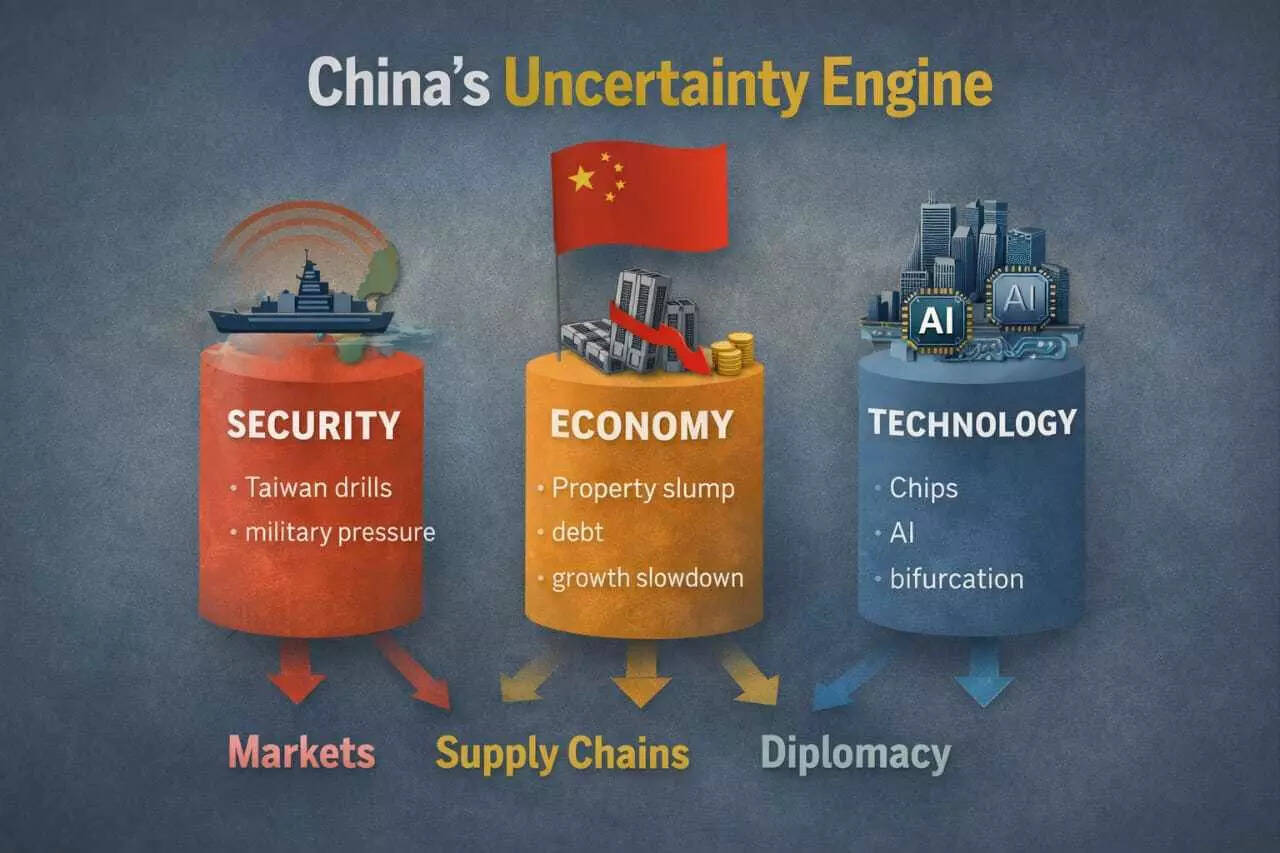
The sharpest fault line remains Taiwan. Beijing’s military signalling around the island has grown more frequent, more complex and more normalised, blurring the line between exercises and preparation.
Each drill tests responses in Washington, Tokyo and Taipei, and each raises the risk of accident or miscalculation. Even without an invasion, China’s strategy of pressure air incursions, naval patrols and economic coercion keeps the region on edge and forces others to plan for worst-case scenarios.Economically, China remains too big to ignore and too fragile to fully trust. A prolonged property slump, high local-government debt and slowing growth mean Beijing must juggle domestic stability with global credibility.
Any sharp policy shift, stimulus, export dumping, currency management will be felt well beyond its borders, unsettling markets already strained by inflation and geopolitical risk.Then there is technology and power. As the West tightens controls on advanced chips and AI tools, China is doubling down on self-reliance, state-backed innovation and military modernisation. This accelerates a bifurcation of global systems trade, tech standards and security alliances forcing countries to choose sides or walk an increasingly narrow middle path.In 2026, China will challenge the world less by what it announces, and more by the uncertainty it creates strategically, economically and technologically.
A world on multiple frontlines
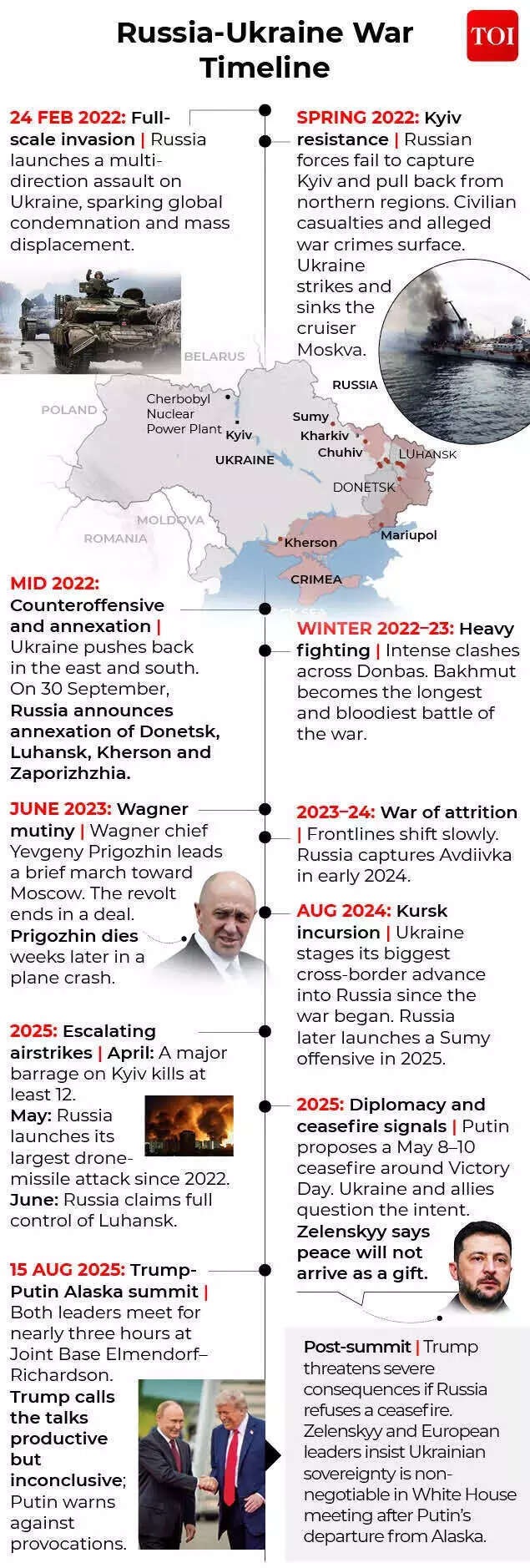
As the world enters 2026, the global security landscape remains crowded with unresolved wars and simmering flashpoints, many of which show little sign of de-escalation.At the centre of global attention remains the war between Russia and Ukraine. Now well into its fourth year, the conflict has hardened into a grinding contest of attrition.
Ukraine continues to rely on Western military and financial support, while Russia has adapted its economy and war strategy for a prolonged fight.
In the Middle East, the Israel–Palestinian Territories conflict remains deeply volatile. Even thoughlarge-scale fighting subsides, the risk of renewed violence in Gaza or escalation along Israel’s northern border persists, particularly given the involvement of Iran-aligned groups.
The war’s spillover effects from Red Sea shipping disruptions to regional diplomatic strain are already global.Elsewhere, tension in the Taiwan Strait looms as one of the most dangerous flashpoints of the decade. China’s military pressure on Taiwan, matched by US security commitments in the region, means that miscalculation could have worldwide economic consequences.Fragile states such as Sudan, parts of the Sahel, and eastern Congo continue to suffer wars largely ignored until humanitarian crises explode.
Technological disruption and AI ethics
Rapid advances in technology are creating new risks and societal debates. In particular, artificial intelligence is a double-edged sword. On one hand AI promises efficiency and innovation; on the other hand, it can generate fast-moving threats. Surveys indicate widespread public concern: a 2025 Pew Research study found 57% of Americans view AI’s societal risks as high. Many respondents cited the risk of misinformation, for example, one person warned: “Misinformation is already a huge problem and AI can create misinformation a lot faster than people can.
” Indeed, generative AI can churn out convincing fake images, audio and “deepfakes” that could swing elections or stoke social discord. Beyond disinformation, AI poses challenges in privacy, cybersecurity, and job displacement. Governing these risks is still lagging behind the technology. Laws like the EU’s AI Act and India’s upcoming privacy rules aim to curb abuse, but coverage is spotty. Another area where the growth of AI has been rapid, is in investments.
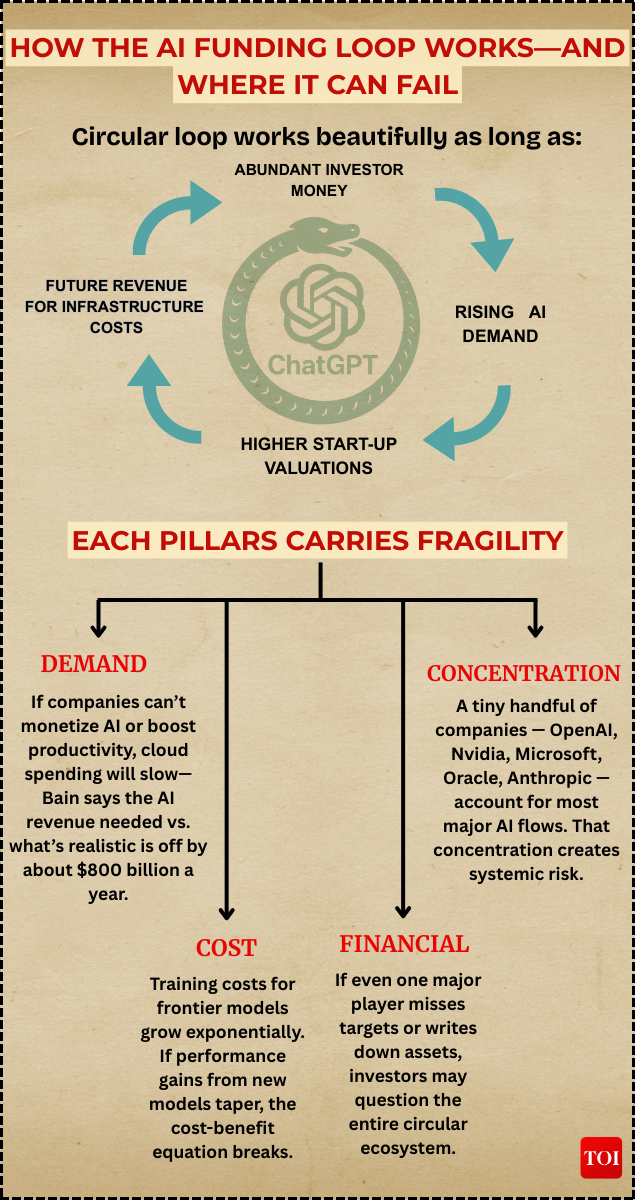
Every company wants to get the edge over the other with deals, but some of these investments have gotten the markets feeling a little uneasy, and raising concerns of a bubble.As tens of billions pour into chips, cloud contracts and vast data-centre projects, a deeper question is emerging: is this a genuine technological revolution, or a finely engineered financial loop heading towards a reckoning?At the heart of the boom are so-called circular deals. Tech giants invest huge sums in AI start-ups, which then commit to spending that capital back with the same firms on cloud services, GPUs and infrastructure.
The money rarely leaves the ecosystem; it simply circulates. Microsoft, Nvidia, Oracle and OpenAI exemplify this model, creating what resembles a self-feeding system that fuels rapid expansion while masking underlying costs.
As 2026 begins, societies must grapple with how to regulate AI and other technologies to protect fairness, jobs and privacy.
The next health crisis
The next pandemic is unlikely to look like Covid, which may be precisely why it will catch governments off guardAlthough the acute phase of Covid-19 has passed, new crises are emerging.
One looming threat is antimicrobial resistance (AMR): the World Health Organization warns that about one in six bacterial infections now resists standard antibiotics. In other words, common illnesses could become deadly again. Meanwhile, global health funding is stressed – aid cuts and organizational upheavals have left many regions vulnerable.
Disease outbreaks surged in 2025: for example, Africa saw over 300,000 cases of cholera and 140,000 cases of measles by year’s end.
Dengue fever also hit record levels in Latin America, with climate change fueling mosquito spread. Vaccine-preventable diseases are resurging even in wealthy countries; both the US and Canada reported measles spikes linked to vaccine hesitancy. Mental health burdens and long-term Covid complications add to the strain on hospitals.
So where does this leave us?
The danger in 2026 is not collapse but complacency. A world accustomed to disruption can begin to mistake instability for endurance and emergency for normality.
When that happens, buffers shrink and margins disappear.History rarely announces turning points. More often, they arrive disguised as a familiar accumulation of problems that were visible all along. In that sense, 2026 is less a beginning than a reckoning with what the world has chosen to tolerate and what it can no longer afford to ignore.