Property sellers found a way to save money and time, but there’s a cost
It can be a quick and cheap way to prepare a home for market, but results can vary widely, particularly if AI is involved.
It’s a quick, cost-effective and increasingly popular way to prepare a home for sale or rent – but some virtual styling doesn’t always serve sellers or buyers, say experts.
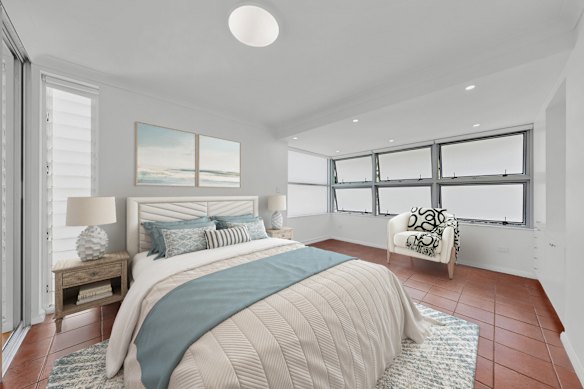
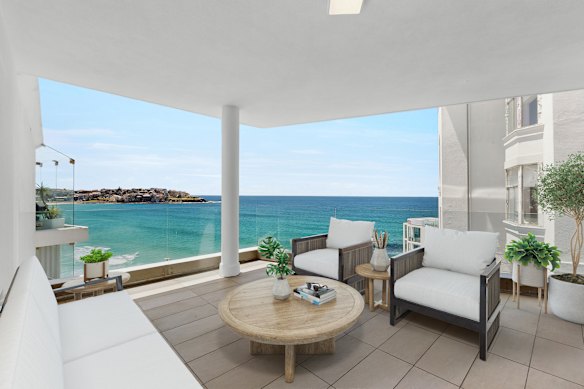
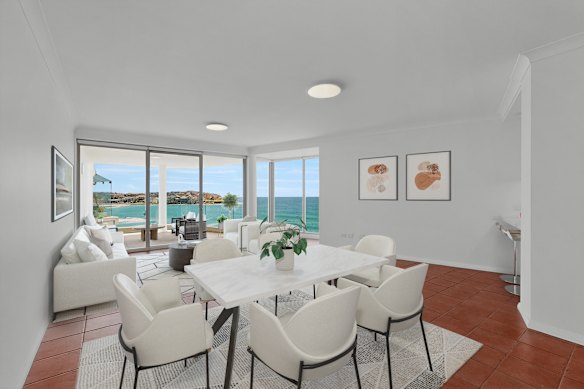
The practice – also known as virtual staging – involves photographing an empty property then superimposing images of furniture and other objects, creating the impression that the home is furnished.
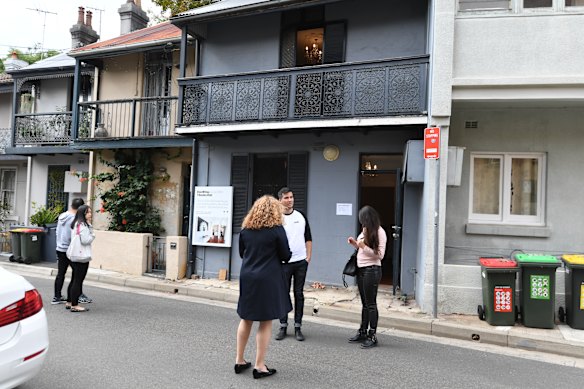
Virtual styling can be a quick, cost-effective and increasingly popular way to prepare a home for sale or rent.Credit: Peter Rae
The technique isn’t new, but the advent of artificial intelligence-driven virtual-styling services has led to a significant uptick in its popularity.
AI-styled photos can be ready in minutes, accelerating the property-listing process. The cost is as little as $10 per room.
But the quality of the results can vary, and the images can be a turn-off for younger buyers and renters who place a premium on authenticity.
Loading
Real Estate Institute of Australia president Jacob Caine says most listings that feature virtually styled images are for entry-level apartments and houses.
“The clear value proposition of virtual staging is the upfront cost,” he says.
“Physical staging can cost an owner several thousand dollars. Virtual staging can be delivered for a few hundred.”
That sort of savings can make a big difference in percentage terms for sellers or landlords operating at the entry level, says Suzi Buckley, buyer’s agent at Cohen Handler.
“It is, quite simply, the most cost-effective way to present a property to the market,” she says.
However, there is a disclaimer: to be truly effective, virtually styled images must look completely realistic – and not all currently do.
“Like any new concept, there are good examples of virtual styling and not-so-good ones,” says Buckley.
Aside from clunky object placement and not-quite-right shadows or lighting effects, some virtually styled images can misrepresent a property by ‘scaling down’ objects, so more furniture fits in a room.
Loading
“There is a risk that virtual styling can mislead buyers by presenting a property in an unrealistic way,” says Buckley.