Queensland to unwind ‘knee-jerk’ action on decades-old inquiry call
Under Labor, the state was the last to decriminalise public drunkenness – disproportionately used against Indigenous Australians. The LNP will change course.
Queensland will move to unwind its late decriminalisation of public drunkenness, with the premier dismissing Labor’s action on a call from a 1991 royal commission as short-sighted.
The Miles Labor government passed laws through parliament in 2024 to finally bring the state in line with others, more than three decades after it was recommended in the landmark Aboriginal deaths in custody inquiry.
Changes were also made to provide a reasonable excuse amendment to public urination laws. The state LNP, in opposition at the time, have consistently argued against the changes since.
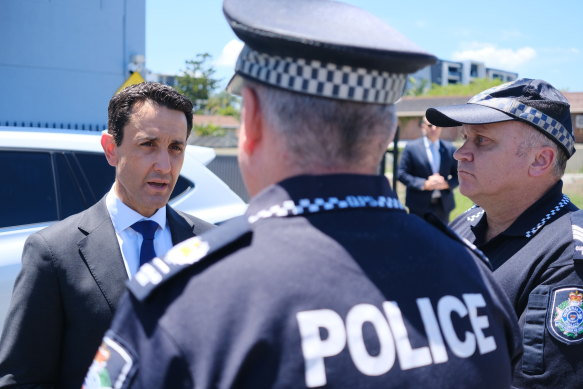
David Crisafulli says the yet-to-be-detailed changes would come before parliament in 2026.Credit: Matt Dennien
After his government first floated potential action to wind back the changes in June, Premier David Crisafulli was asked at a media conference on Tuesday if there was a need to change the laws.
“They were knee-jerk, they were short-sighted, and time has proven how wrong they are. So the short answer is yes,” Crisafulli responded.
Loading
He said some of his partyroom colleagues had been pushing him to act, including Maryborough MP John Barounis, whose community Crisafulli described as being “under siege” due to the change.
“But it’s a number of regions, if you send a message to people that that kind of behaviour becomes tolerated, well, then it just keeps ratcheting up,” he said.
“We are working on [law changes] at the moment.”
Crisafulli said the matter was something Police Minister Dan Purdie would pursue “for the year of 2026”, but no further detail was given.
First Nations people have consistently faced disproportionate police use of public drunkenness laws and other public order offences.
During a parliamentary inquiry probing their decriminalisation in 2022, Police Commissioner Steve Gollschewski said the number of charges laid statewide were low.
Queensland’s Chief Aboriginal and Torres Strait Islander Health Officer, Haylene Grogan, had told the inquiry the need for change was “clear and evidence-based”.