Samsung may be testing the giant phone battery upgrade of your dreams — but don't expect much of a boost for the Galaxy S26 Ultra
Samsung is continuing to work on silicon-carbon battery tech, but it doesn't appear to be ready yet.
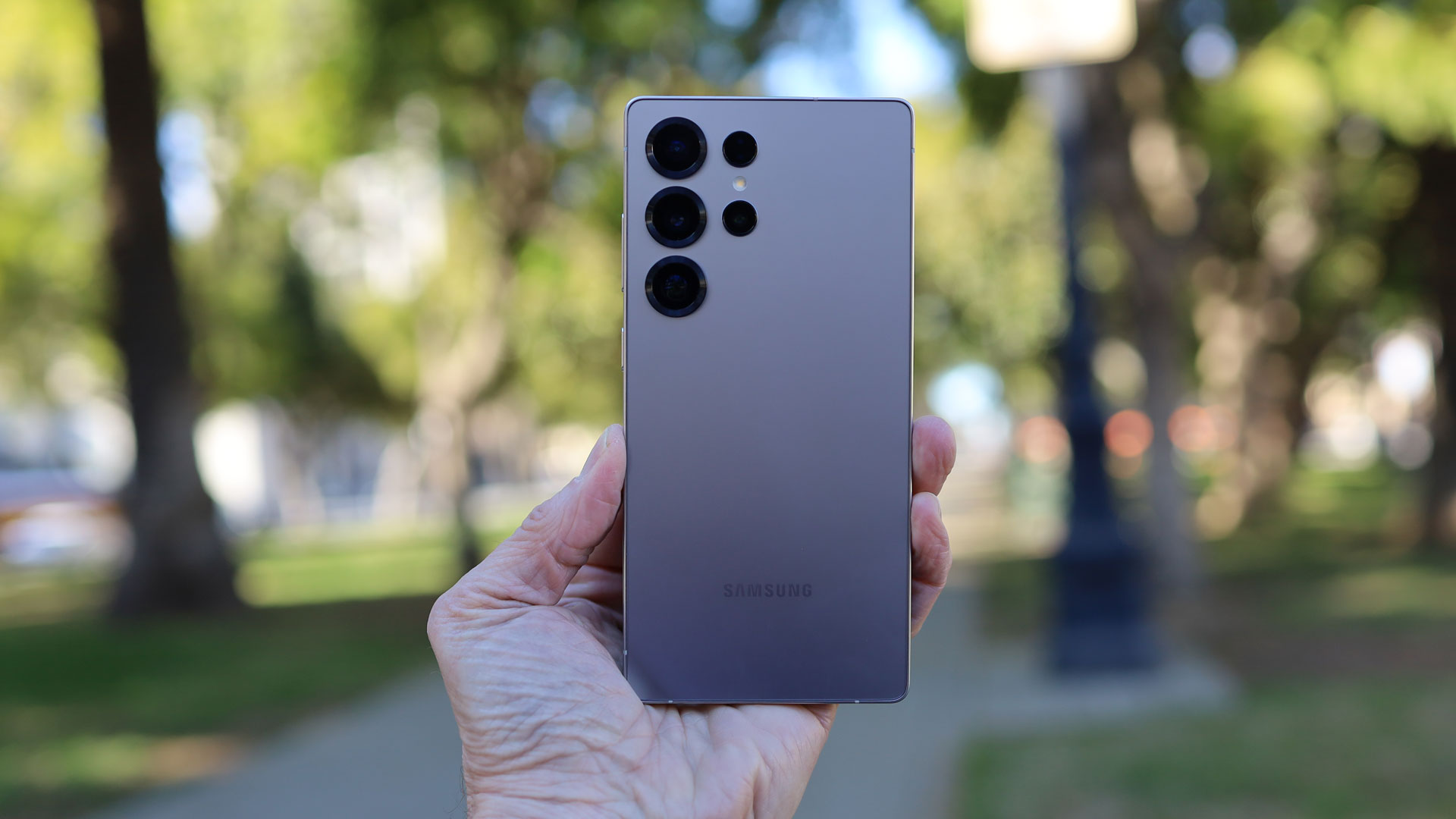
(Image credit: Future / Lance Ulanoff)
- Samsung is reportedly testing a 20,000 mAh phone battery
- The capacity boost is courtesy of a silicon-carbon compound
- It's unlikely to be ready in time for the Galaxy S26 series
Battery capacity is one of the key specs that most of us look for when buying one of the best smartphones, and Samsung is rumored to be working on a substantial upgrade in this department – although it won't arrive in time for its next flagship phones.
According to tipsters @phonefuturist and @SPYGO19726 (via Wccftech), Samsung is testing a dual-cell silicon-carbon battery that goes as high as 20,000 mAh. That's four times the capacity of the 5,000 mAh battery inside the Samsung Galaxy S25 Ultra.
As you can guess from the name, silicon-carbon batteries differ from the conventional lithium-ion batteries inside today's phones in the choice of materials. A silicon-carbon composite anode enables much higher capacities, without too much increase in bulk.
We've heard whispers about this silicon-carbon technology before, including in a leak from earlier this year that suggested the next-gen batteries might be ready in time for the Galaxy S26 series – although that now looks unlikely to happen.
Coming soon-ish
Some extra size detail about the dual stacked cell Cell 1 (Primary):Capacity: 12,000mAhThickness: 6.3mmDimensions: 10cm × 6.8cmCell 2 (Secondary / Competitive Stack):Capacity: 8,000mAhThickness: 4mmDimensions: 10cm × 6.8cmThe 8000 MaH swole up from 4mm to 7.2mm. https://t.co/xVRA4Th3HkDecember 25, 2025
While the 20,000 mAh battery now in testing certainly sounds promising, it's not clear exactly when it's going to be ready for mass production. According to this leak, there are still issues with swelling that need to be addressed.
Samsung knows what it's like to have battery tech , and it won't want to repeat those mistakes again. Both Samsung and its competitors will wait until the silicon-carbon upgrade is fully ready before pushing it out.