Science history: Sophie Germain, first woman to win France's prestigious 'Grand Mathematics Prize' is snubbed when tickets to award ceremony are 'lost in the mail' — Jan. 9, 1816
Sophie Germain was a brilliant, self-taught mathematician who won one of France's most prestigious prizes, yet she declined to attend the award ceremony because the committee members didn't respect her work.
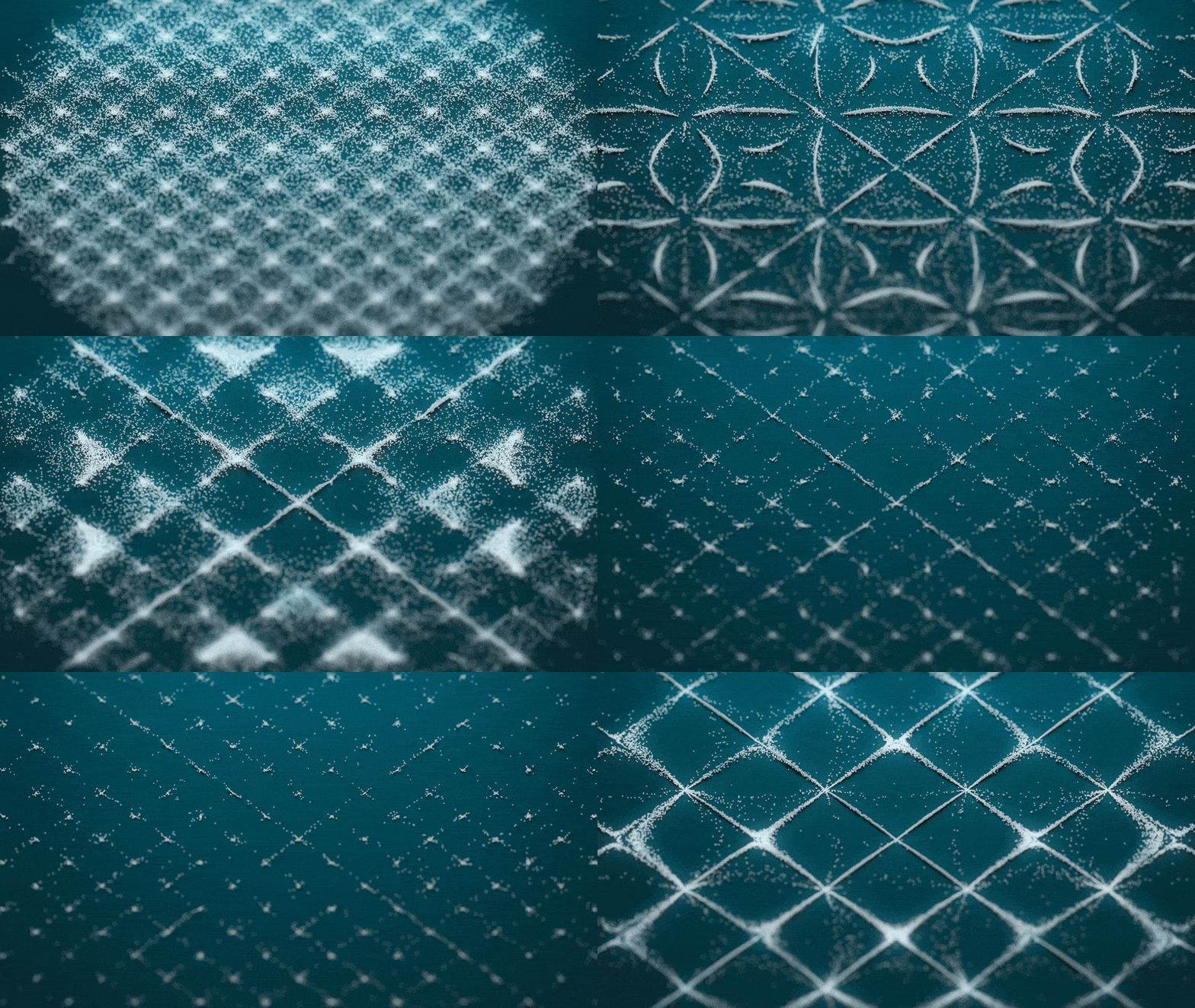
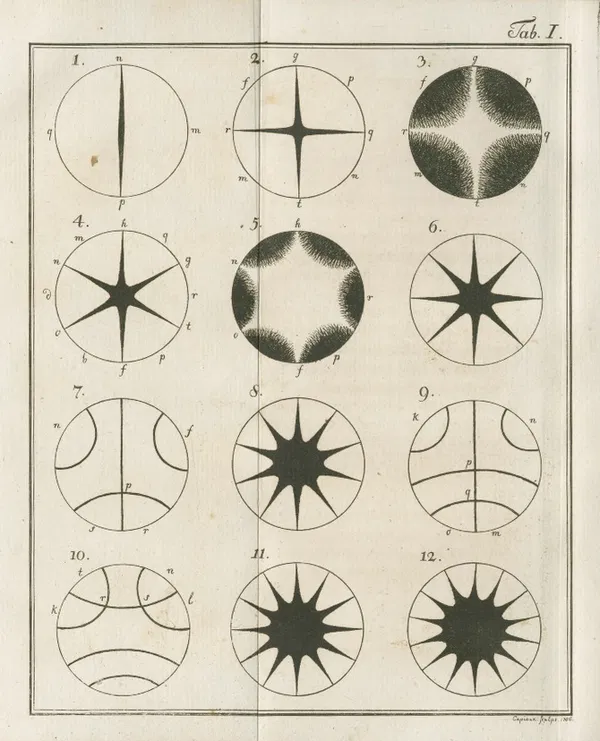
Chladni figures reveal the strange physics underlying 2D harmonic oscillations. In 1816, Sophie Germain made a major advance in describing this phenomenon mathematically. (Image credit: koto_feja/Getty Images)
Milestone: Prize for theory of elastic waves awarded
Date: Jan. 9, 1816 (some sources say Jan. 8)
Where: Paris
Who: Sophie Germain
In January 1816, the secretary general of the Paris Academy of Sciences sent Marie-Sophie Germain a strange letter.
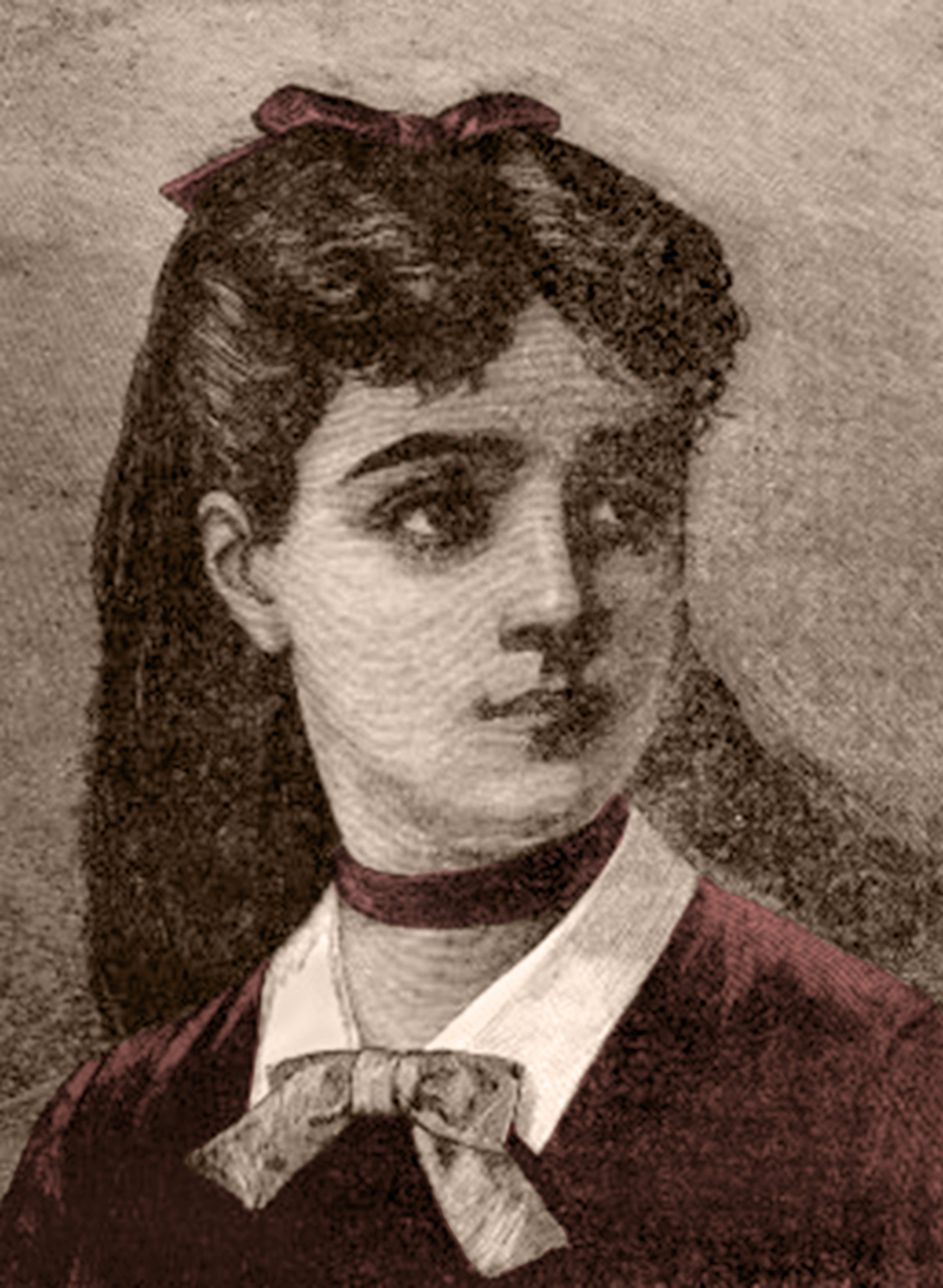
Germain was a self-taught mathematician who made great contributions to some of the thorniest mathematical problems of the day, including Fermat's Last Theorem and the theory of vibration in elastic plates. (Image credit: Science Source/Science Photo Library)
"The class of mathematical and physical sciences of the Institute held its public session today, a very large assembly that attracted without doubt those desiring to see virtuoso of a new kind, Miss Sophie Germain, to whom the prize for elastic membranes was to be awarded. The expectation of the public was disappointed: the young lady did not go to take the trophy that no one of her gender has ever received in France," the newspaper Journal des Débats reported about the event that day.
The award was the culmination of a decade of work by Germain, a self-taught polymath. Born to a wealthy merchant's family, she became interested in math while reading books in her father's library during a period of seclusion during the French revolution.
Her parents were not pleased with her "unladylike" pursuit. They banked the fires that kept the house toasty and took away her warm clothes, hoping that she'd be too cold and uncomfortable to study. But when they went to sleep, she'd grab candles and cover herself in quilts to continue her math research. She taught herself number theory and calculus that way.
When the École Polytechnique opened in 1794, women were barred from attending, but the notes from lectures were publicly available. She began reading those notes and submitting answers to problems from the lectures under the pseudonym "Antoine August LeBlanc." Under her pseudonym, Germain also began corresponding with some of the leading mathematicians of her day, including Carl Friedrich Gauss and Joseph-Louis Lagrange.
Get the world’s most fascinating discoveries delivered straight to your inbox.