Science news this week: A runaway black hole, a human ancestor discovered in Casablanca cave, and vaccine schedule slashed
SOURCE:Live Science|BY: Ben Turner
Jan. 10, 2025: Our weekly roundup of the latest science in the news, as well as a few fascinating articles to keep you entertained over the weekend.
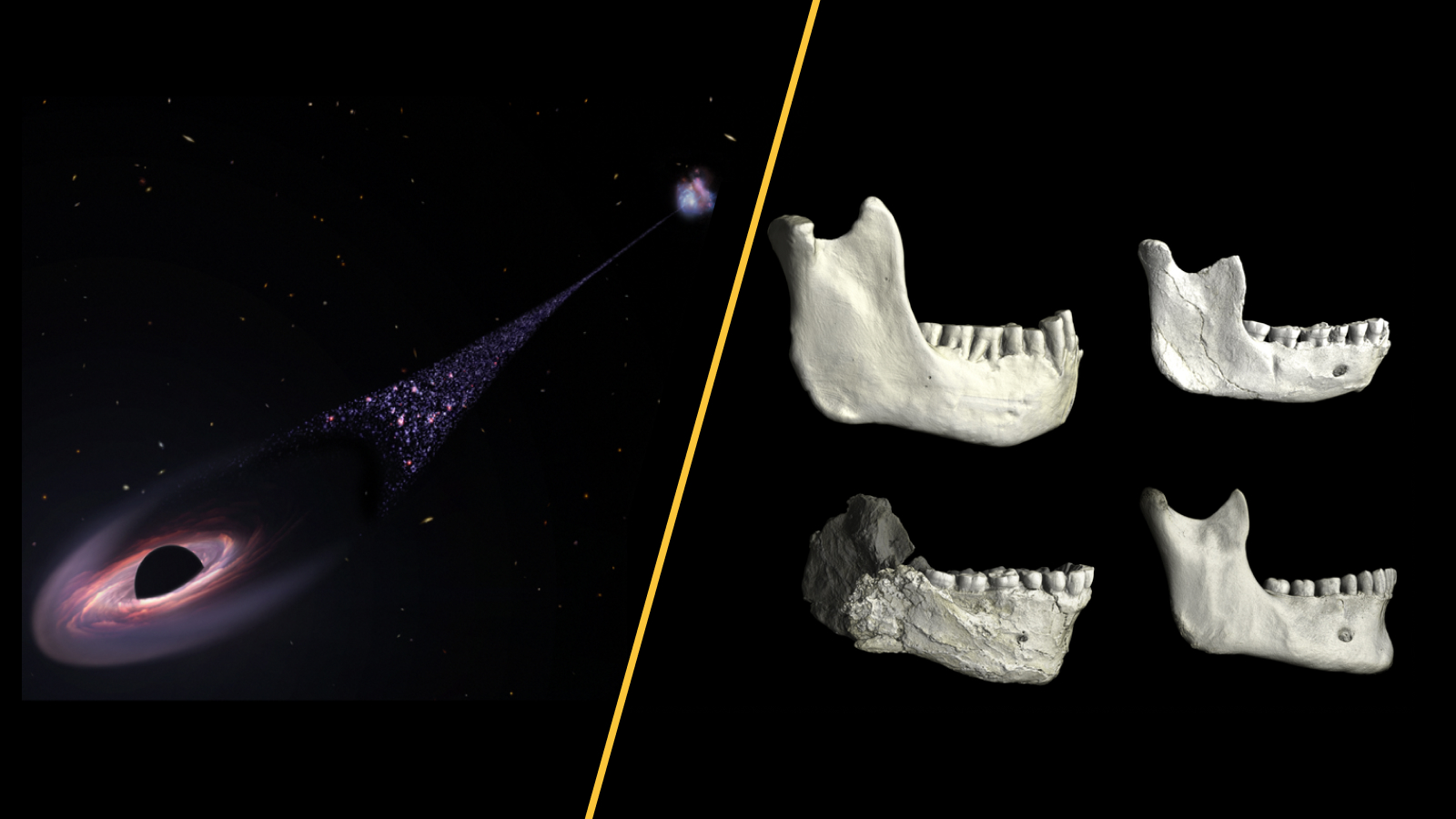
In this week's science news, we covered a raft of telescope discoveries, the discovery of humans' and neanderthals' last common ancestor, and the slashing of the childhood vaccine schedule. (Image credit: NASA, ESA, Leah Hustak (STScI) | Philipp Gunz/Max Planck Institute for Evolutionary Anthropology)
The black hole, which is leaving behind a stunning contrail of stars in its wake, confirms more than five decades of research. And it's not the only celestial object offering evidence for long-standing astronomical theories this week — there was also Cloud-9, a failed galaxy discovered by the Hubble telescope, that appears to be held together by dark matter.
Human and Neanderthal ancestor found in Casablanca
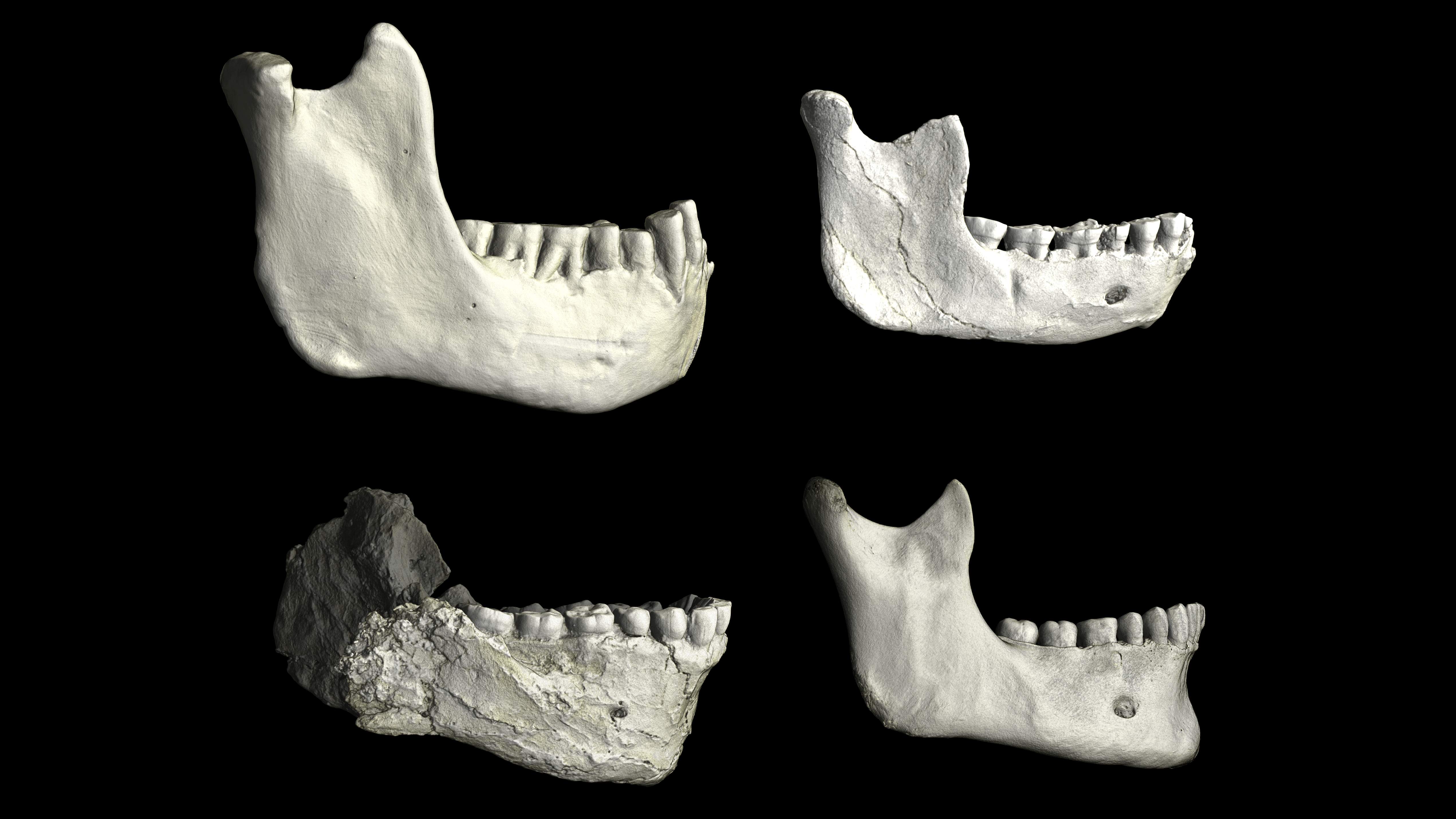
A discovery inside a Morroccan cave has shifted the potential origins story of humanity. (Image credit: Philipp Gunz/Max Planck Institute for Evolutionary Anthropology)](https://www.livescience.com/archaeology/human-evolution/last-common-ancestor-of-modern-humans-and-neanderthals-possibly-found-in-casablanca-morocco)
A collection of 773,000-year-old bones found inside a Moroccan cave shifted the potential origins of modern humans from East to West Africa this week.
There are a lot of fossil hominins in Africa — at least until about a million years ago and again after 500,000 years ago — but a gap exists between these two time points that makes tracking the evolutionary history of humanity difficult.
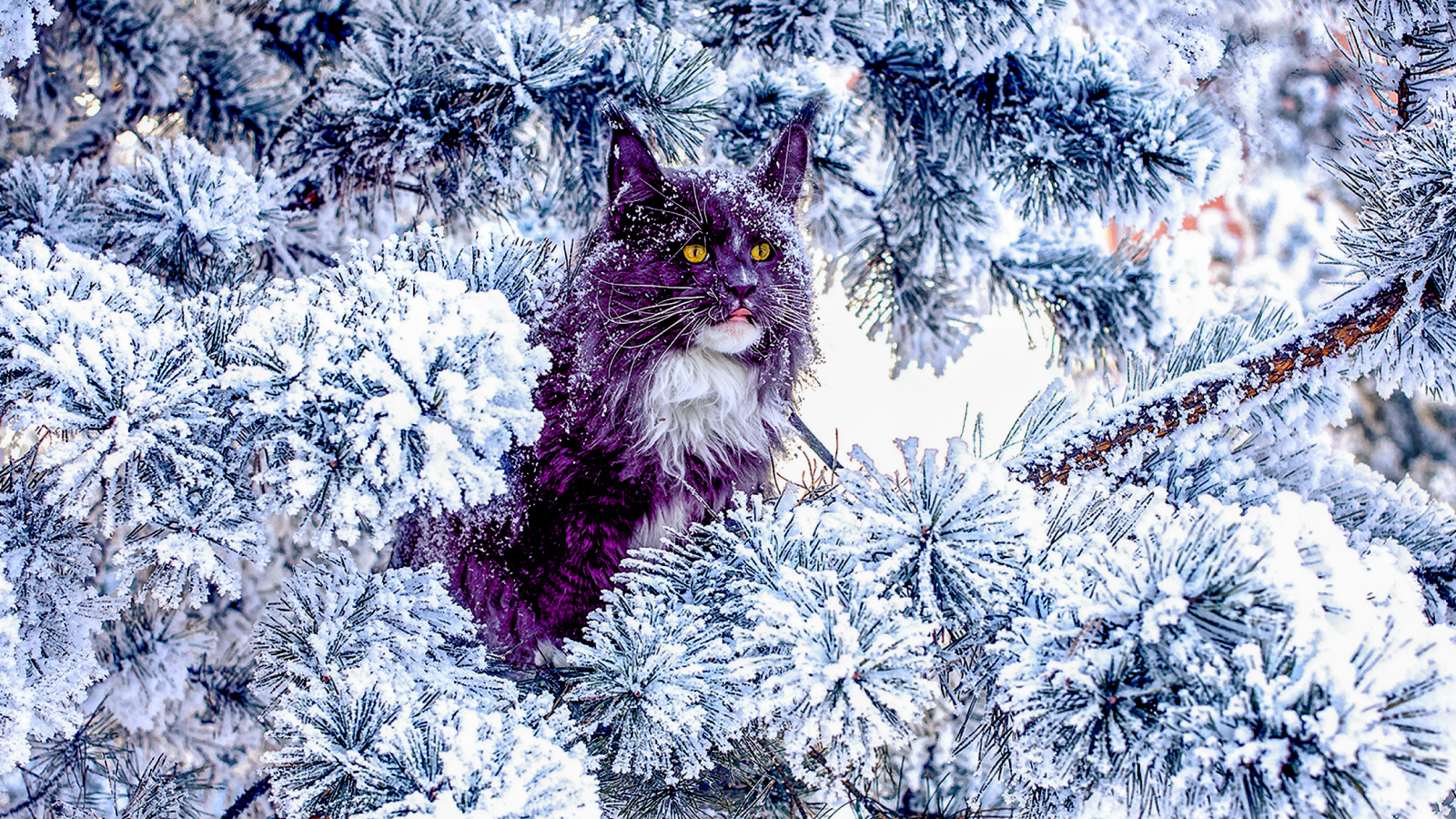
There are more than 600 million cats around the world, but did any of the roughly 10% that are purebred evolve naturally? Or are they all the result of human selection? The answer is more complicated than it first seems.
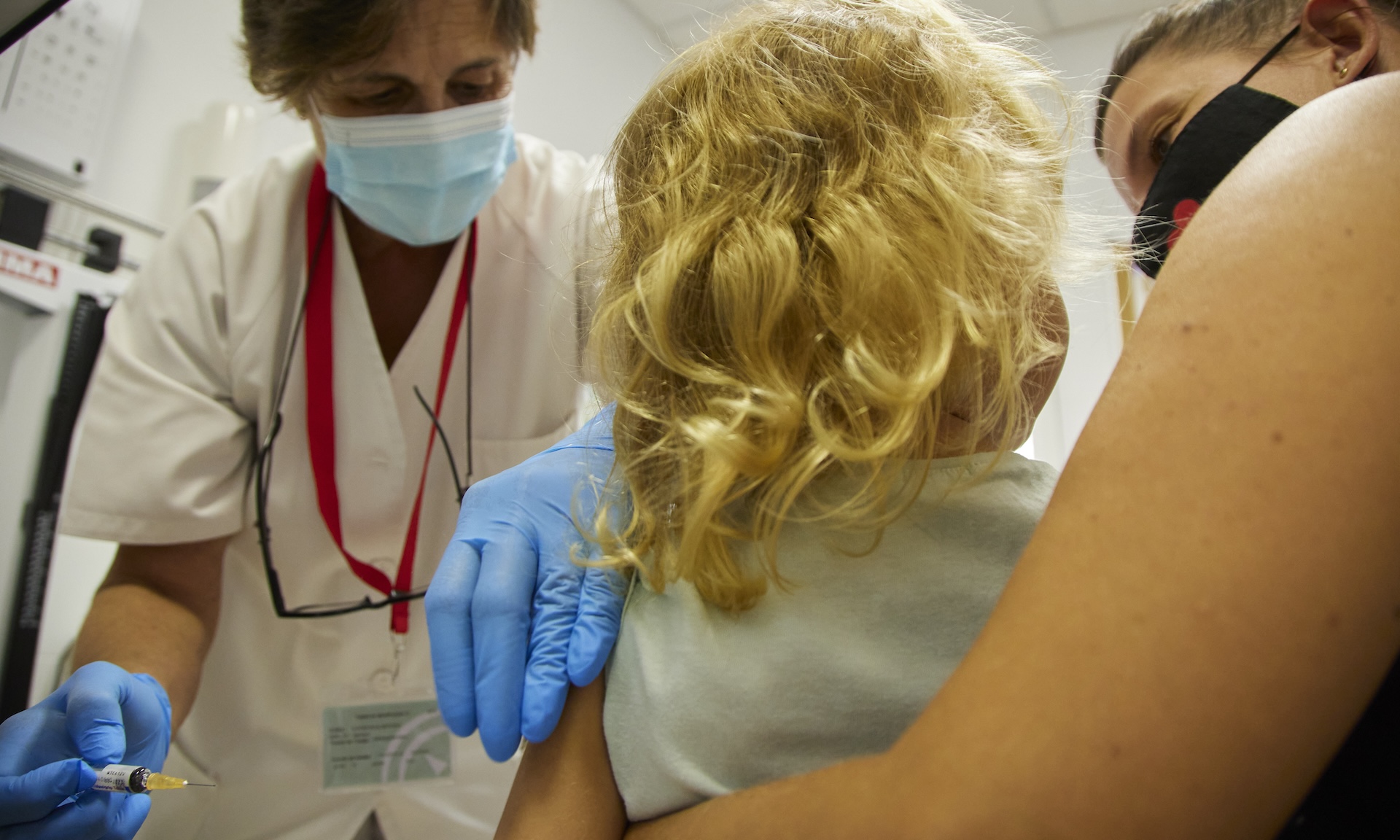
Officials claim the move aligns the U.S. with other developed countries, but experts say it will lead to more sick children. (Image credit: Europa Press News via Getty Images)](https://www.livescience.com/health/medicine-drugs/us-government-overhauls-the-childhood-vaccine-schedule-in-unprecedented-move)
Federal health officials announced an unprecedented shift in the childhood vaccine schedule this week, reducing the number of shots universally recommended to kids 18 and under from around 17 to 11.
The unilateral decision is a step toward the longtime goal of Health and Human Services Secretary Robert F. Kennedy Jr. and other vaccine skeptics to reduce the number of vaccines given to children. While officials claim the move will more closely align the U.S. with other developed countries, experts say the decision lacks scientific backing and will lead to more sick children.
If you're looking for something a little longer to read over the weekend, here are some of the best science histories, skywatching guides and quizzes published this week.
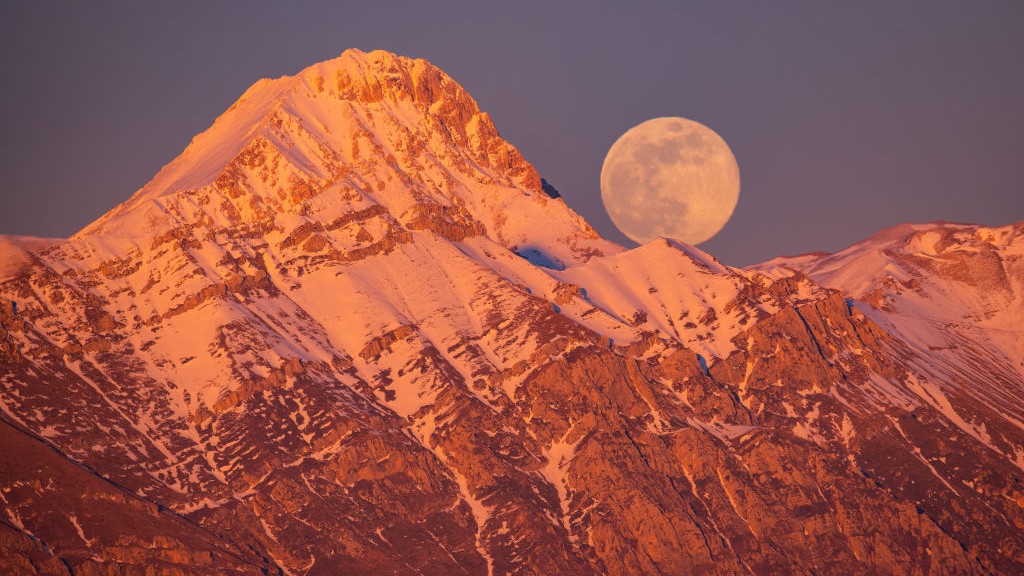
The Wolf moon rises next to Corno Grande and Pizzo Cefalone peaks in Italy. (Image credit: Lorenzo Di Cola/NurPhoto via Getty Images)](https://www.livescience.com/space/the-moon/wolf-supermoon-gallery-see-the-first-full-moon-of-2026-in-pictures-from-across-the-world)
The first full moon of 2026, called the Wolf Moon, shone brightly in the Northern Hemisphere's skies at the start of this week. It will be the biggest and brightest full moon of the year until November, but if you missed the spectacle we compiled this handy gallery of lunar shots from around the world.
Ben Turner is a U.K. based writer and editor at Live Science. He covers physics and astronomy, tech and climate change. He graduated from University College London with a degree in particle physics before training as a journalist. When he's not writing, Ben enjoys reading literature, playing the guitar and embarrassing himself with chess.
You must confirm your public display name before commenting
Please logout and then login again, you will then be prompted to enter your display name.