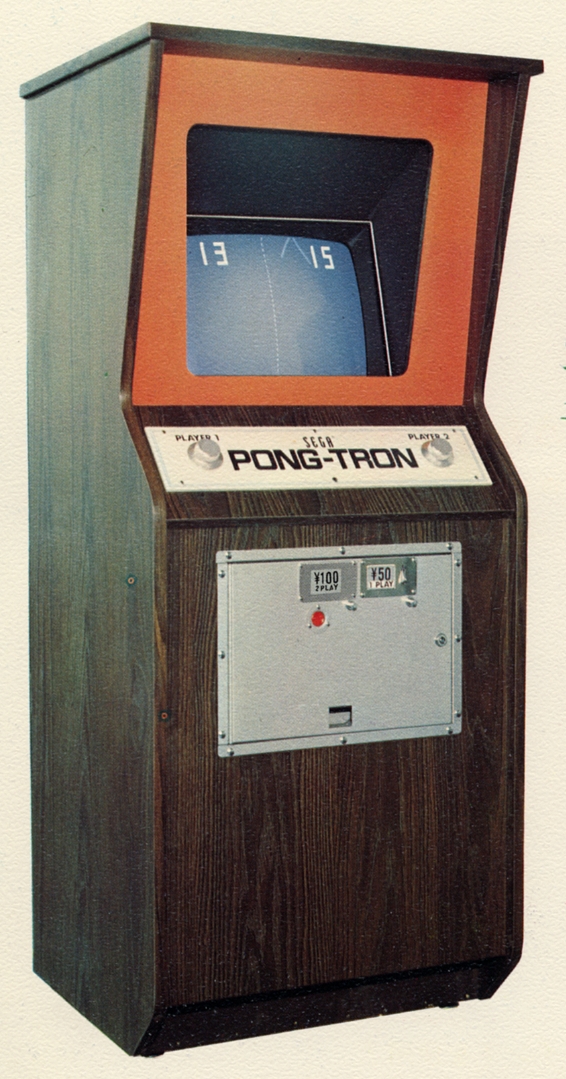
Sega co-founder David Rosen passed away on Christmas Day — 95-year-old former U.S. airman helped set up Sega after his service ended in Japan
David Rosen, one of the co-founders of Sega, passed away on Christmas Day.

(Image credit: Getty / tupunegato)
David Rosen, one of the co-founders of Sega, passed away on Christmas Day. His funeral took place on January 2 at Inglewood Park Cemetery in California, according to RePlay Magazine. Rosen founded Sega after staying in Japan after he completed his Air Force service in the Far East.
Most will know Sega as a “Japanese video game company,” as per the Wikipedia page dedicated to the company, so it might come as a surprise that ‘Sega’ isn’t a Japanese word but a portmanteau of ‘Service Games.’
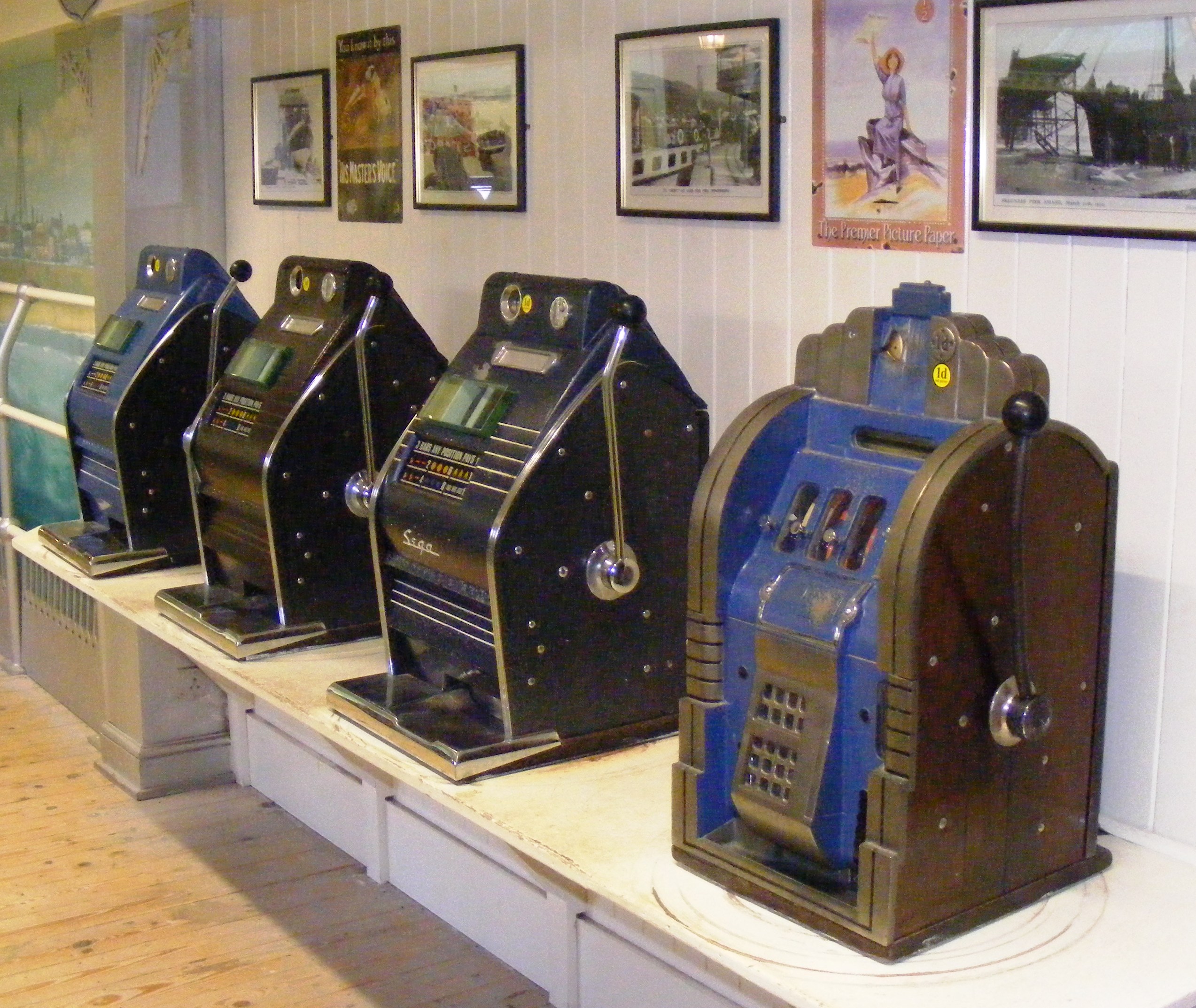
Before video games (Image credit: Rodw)
As mentioned in the intro, Rosen was a U.S. airman. He was stationed in Japan from 1948 to 1952 and saw service in the Korean War. Instead of returning to his hometown, New York, or even the USA, after the war, Rosen decided to stay in Japan and start a business. His early dealings in the recovering post-war nation were focused on bringing Japanese art to the American market and operating a chain of photo studios in Japan.
By the late 1950s, Rosen began to see an increase in disposable income among the Japanese, so he thought it was a good idea to import coin-operated amusement machines from the U.S. Despite 200% import fees on these machines, the bet paid off handsomely, with the machines being paid off within two months.
Sega Enterprises Ltd was formed when Nihon Goraku Bussan, founded in Hawaii by Martin Bromley and Richard Stewart and operating in Japan under the name Service Games, merged with Rosen Enterprises, which had by then become a major importer of coin‑op machines.
The first Sega-branded game is thought to be 1966’s Periscope. Of course, this was an era before video game arcade machines roamed the earth in search of quarters. Periscope is a “fun – suspense – excitement” shooting game amusement based on an electromechanical mechanism. The game was a huge hit and is attributed as a turning point for the industry, and a formative moment for Sega and developer Namco (then Nakamura Manufacturing).