Smartphone AI, like Siri and Gemini, has a credibility crisis – a true agentic interface is the logical next step
Today's AI features are rife with problems, but agentic AI is inevitable, so let's get rid of the worst AI problems now while we train the future.

(Image credit: Getty Images/Alexsl)
I despise smartphone AI. It is arguably the most regressive development in consumer electronics, a spectacular misstep for mobile technology. The deeper I dive into so-called mobile AI, the more I’m left slack-jawed, wondering how features so fundamentally flawed could ever hit the shelf.
While AI’s potential is undeniable, today’s obsession with this shiny bauble is eroding the reputation of the world’s most formidable technology companies like Apple, Lenovo and Google, and there seems to be no alternative course.

(Image credit: Philip Berne / Future)
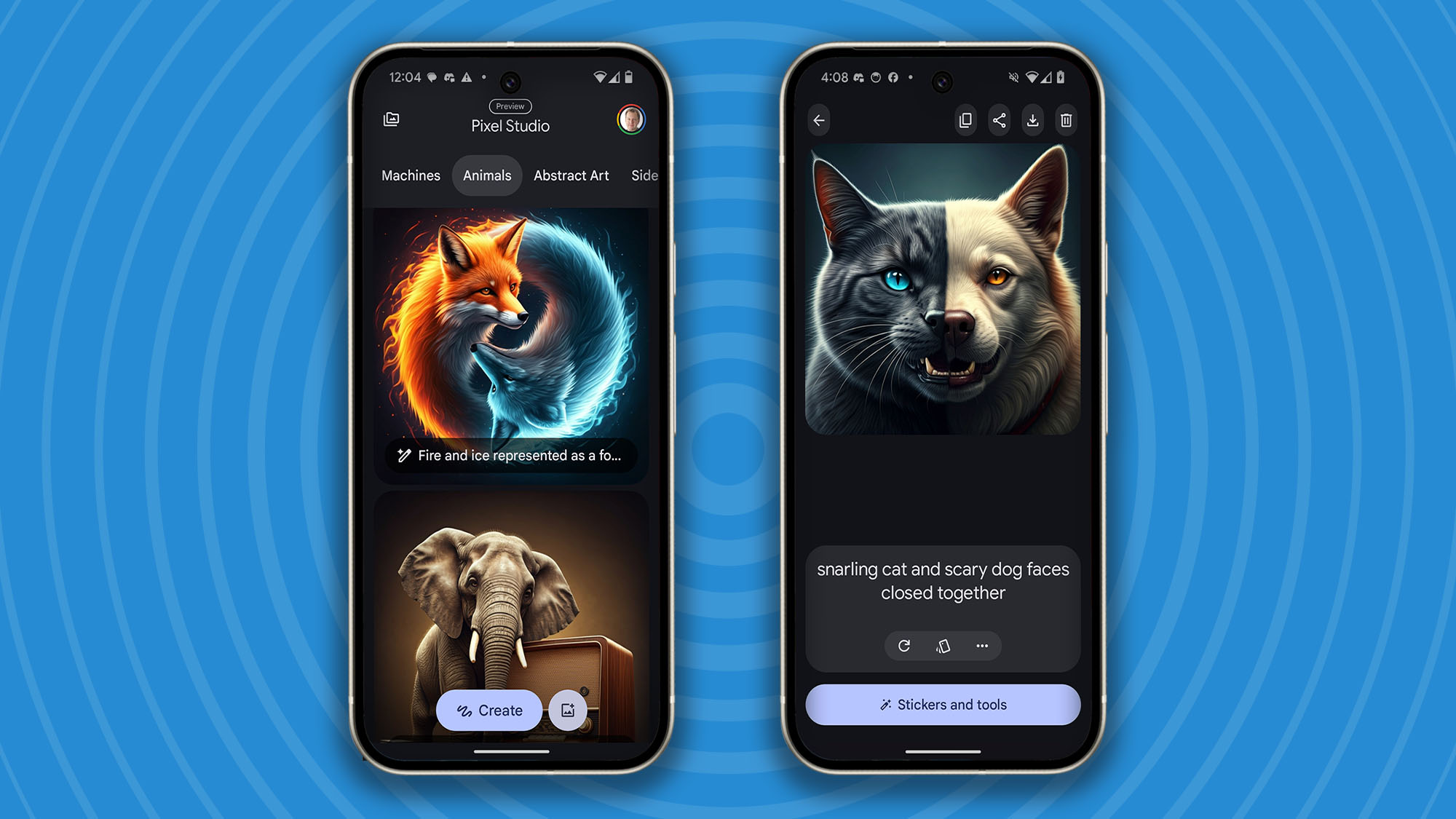
The reality is more insidious. What if that Casio calculator offered undeserved praise for your algebra mistakes? Imagine Microsoft Word not as a copy editor, but a plagiarist ghostwriter that steals the best prose. Think of a newspaper that uses doctored images to personally accuse you, the reader, of armed robbery, complete with fabricated stills of you removing a ski mask and counting illicit cash.
This is a more accurate depiction of the crisis of consumer AI. It is not merely wrong. It is not simply prone to error. It is actively harmful. The generative AI features in particular – image generators, text synthesizers, summary tools – are worse than incorrect. They are vectors for harm.
Tech companies will tolerate anything on the way to true AI
I’ve seen smartphone AI tools report baseless falsehoods, deploy harmful racial or misogynistic stereotypes, and facilitate fraud and deception. The consumer benefit of AI today is non-existent. AI has not made today's phones superior to yesterdays'. Nobody purchases a device because its AI suite is a marvel of utility.
No one shops for the best AI phone.
Sign up for breaking news, reviews, opinion, top tech deals, and more.
Why are we tolerating this catastrophe? The answer lies in the magnetic pull of what is promised. Technology firms are treating these egregious missteps as necessary growing pains of a mythical entity: Artificial General Intelligence (AGI) – a machine capable of independent, human-level thought.
The thinking from today’s tech titans is that failure to achieve AGI is not a matter of innovation, but a shortage of data. They suggest that thinking machines are within reach, contingent on the collation of enough user data to complete their training. To me this seems naïve, but this belief system is the engine driving the entire mobile industry today.