Star Trek: Starfleet Academy deftly balances teen drama with intergalactic intrigue
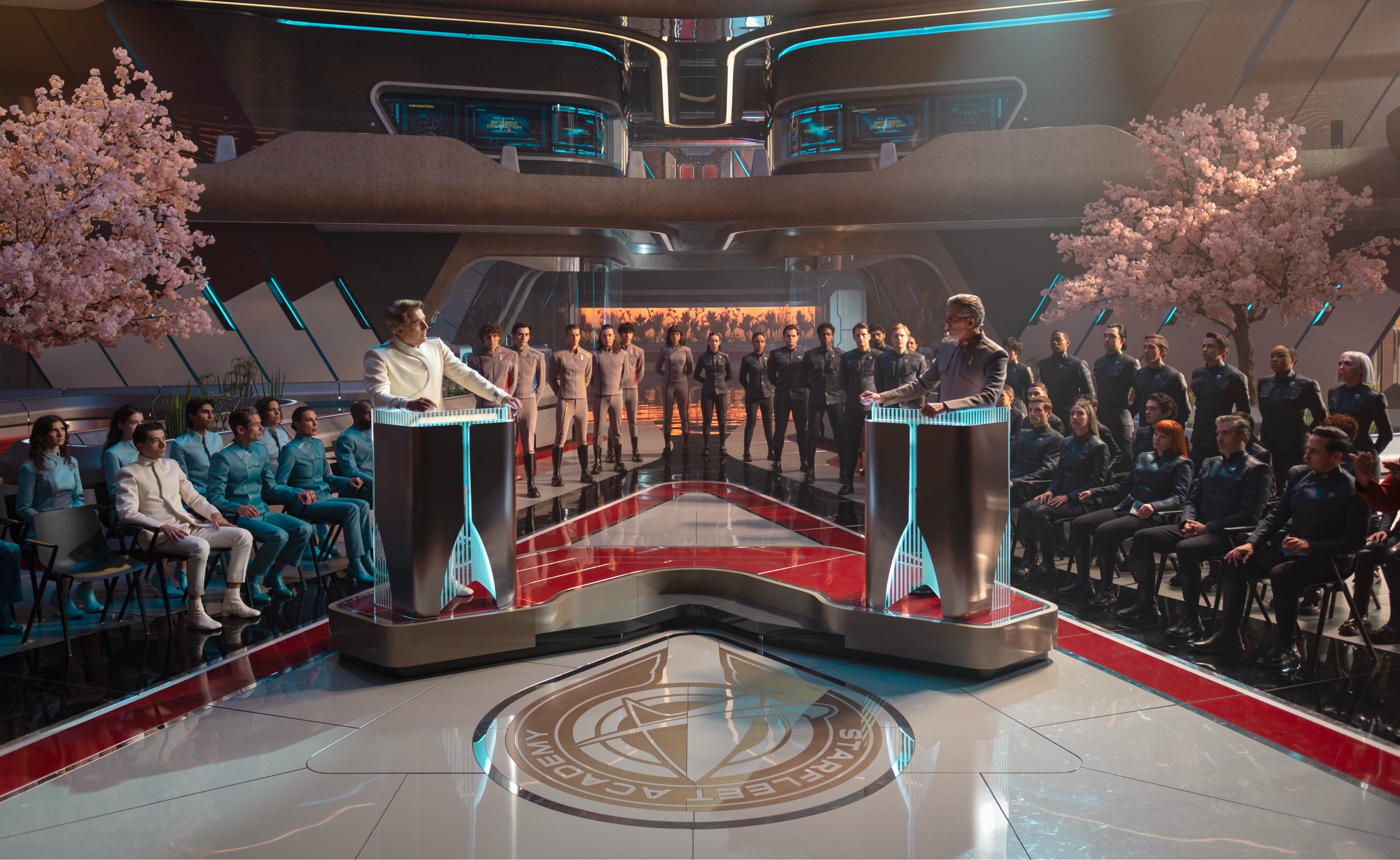
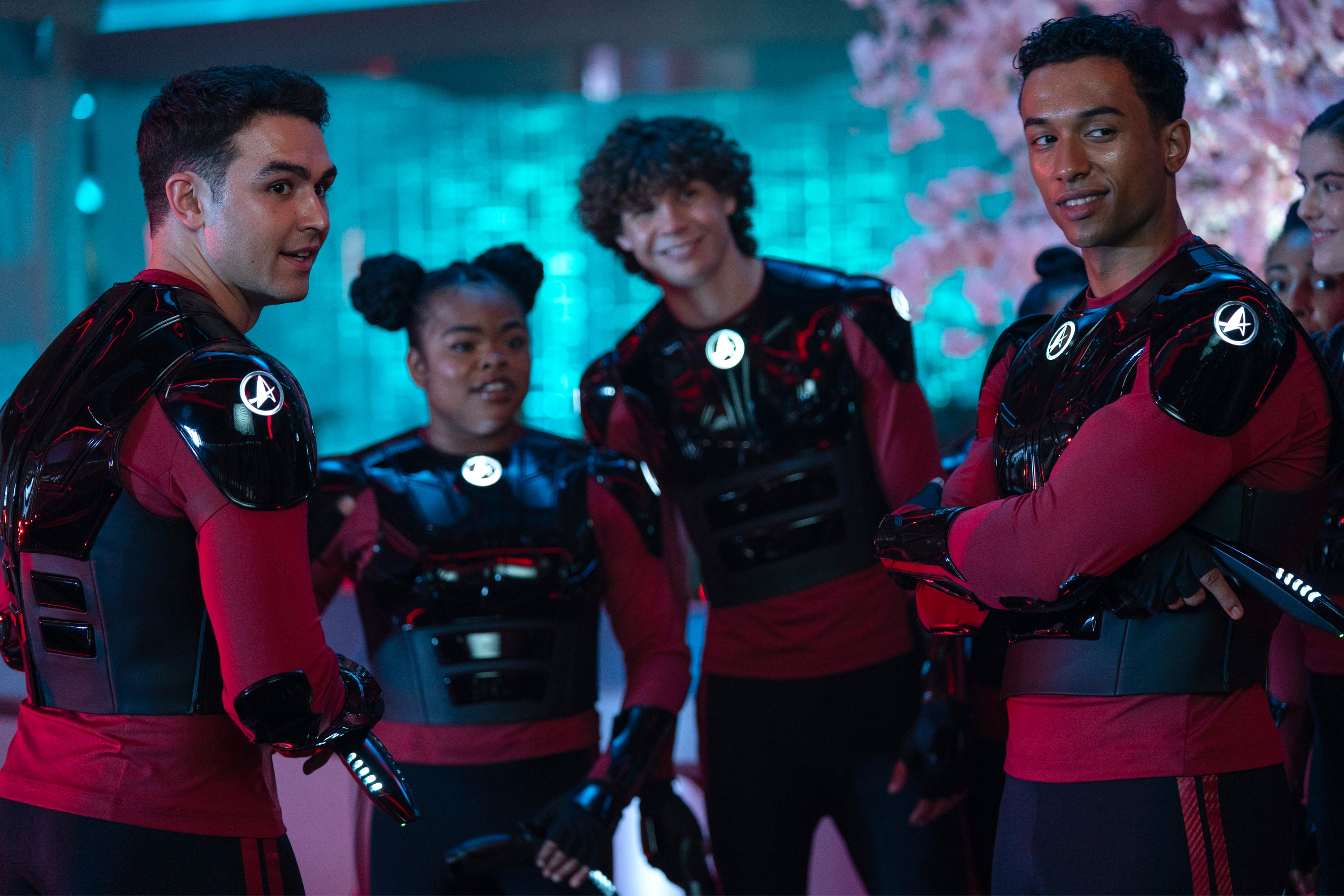
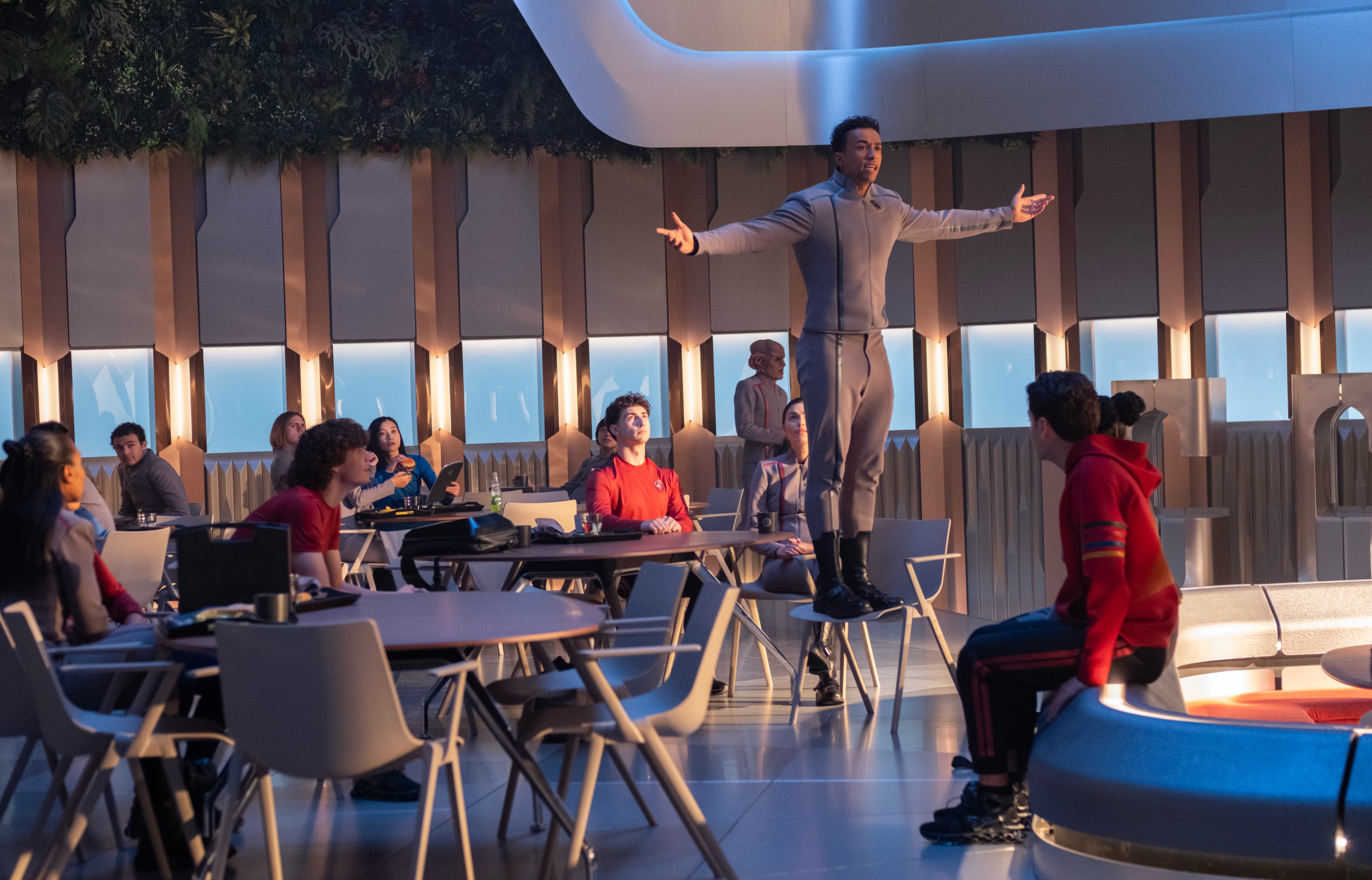
Star Trek is in a weird place right now. Less than three years ago we were living in a golden age with five shows on the air, all with different styles and intended audiences. But the universe rapidly contracted, with Picard ending while four other shows were cut short. Strange New Worlds still has another two seasons left, sure, but even that final season got truncated. As it stands, there’s only one project with a firm future right now, and that’s a brand-new show, Starfleet Academy, premiering January 15 on Paramount+. How this show is received could very well determine the future of Star Trek. That’s a lot to put on it, but there’s something very appropriate given the subject matter. Starfleet Academy takes place in the 32nd century, 900 years after the adventures of James T. Kirk and company, and it takes place at the titular academy, meaning its principal cast is a collection of teens representing the next generation of Starfleet officers. That focus on a younger cadre has led to fans online derisively calling the series “CW Trek” without seeing a single episode. As Starfleet Academy is technically a Discovery spinoff, it picks up some of that series’ traits. The sleek, shiny sets are back, as well as a few plot threads originally set up in Discovery. The most notable is the collapse of the United Federation of Planets and the rebuilding of both the Federation and Starfleet. In fact, the series picks up on that as early as its second episode, with the Academy hosting a delegation from a once stalwart Federation planet that’s now gone isolationist. Scenes from Star Trek: Starfleet Academy John Medland/Paramount+ While many complaints about the series have focused on how what fans wanted was an academy show set during the 24th century (the time of The Next Generation, Deep Space Nine, et al.), this particular episode plot works precisely because of the distant future in which it is set. In a fully-functioning galactic democracy like the United Federation of Planets, there’s no logical reason for the average 18-year-old college freshman to be involved in interplanetary diplomacy. But in the 32nd century, the Federation is a lot scrappier and the individuals involved might be asked to wear many hats. It’s a lot like an early-stage tech startup. The setting also lets the show be a little more creative with its cast: where TNG featured the first Klingon in Starfleet (Worf), 900 years of progress have created a Starfleet where no one bats an eye when a Klingon cadet like Jay-Den Kraag (played by Karim Diané) shows up to study science. There’s also a holographic cadet, Sam, who is the first of her kind to attend the academy (and she’s super excited to do so). A few new species are present as well: Darem Reymi (George Hawkins) is a Khionian and Genesis Lythe (Bella Shepard) is a Dar-Sha, both aliens making their debut in the Star Trek universe. The cast of Star Trek: Starfleet Academy John Medland/Paramount+ However, the show does still lean on some Trek stalwarts, and it’s these characters that have gotten the most chatter from fans. Mary Weisman as Sylvia Tilly was originally slated for the cast, and there was even a backdoor pilot-esque episode of Discovery to tie her in to the new show, but she’s no longer a regular and is nowhere to be seen in the first two episodes. Instead, we have Jett Reno (played by the wonderful Tig Notaro) as supporting cast, and Admiral Vance (Oded Fehr) appearing in a few episodes. And old school fans have been abuzz by the inclusion of The Doctor, who first appeared on Voyager (and later Prodigy). As a hologram, he’s practically immortal so his presence doesn’t need any convoluted explanation, and after 800 years he’s still the same gregarious blowhard (and it’s delightful). They’re joined by new characters like Lara Thok, a part Klingon, part Jem’Hadar security officer and a Lanthanite chancellor, Nahla Ake, played by Academy Award Winner Holly Hunter. And Hunter isn’t even the only Oscar winner on the cast, with a major villain, Nus Braka, being portrayed by Paul Giamatti. It’s a stellar cast, and the show’s sets certainly rise up to meet the challenge. Like in the shows of old, a good portion of Starfleet Academy is clearly shot on location, though not in the familiar water reclamation plant that was used back during the TNG and DS9 era. This time it’s all being shot in Ontario, with the outdoor scenes in particular being filmed in Waterloo. Regardless of where it’s shot, it looks enough like sunny California to work. Scenes from Star Trek: Starfleet Academy John Medland/Paramount+ The indoor scenes, shot at Toronto’s Pinewood Studios, have a pleasant convention center quality to them, with lots of wide hallways and large windows in contrast to Discovery’s cramped ship corridors. The hallways are full of students and teachers going to and fro, including some from species that would normally be off-limits to a show with a limited budget. But here robots and strange aliens roam freely in the background. The CGI can’t have been cheap. And that’s ultimately my biggest question about Starfleet Academy. Exactly how much is this costing Paramount? So much of it is being shot on real sets instead of green screens, established actors like Hunter and Giamatti couldn’t have been cheap, and plentiful CG points to a robust special effects budget. Though Paramount doesn’t release official numbers, estimates have put an average episode of Strange New Worlds at $10 million, so it figures that Starfleet Academy is probably more than that, with some online estimates as high as $20 million per episode. With 10 episodes scheduled, that’s on par with a major motion picture budget but without the promise of blockbuster box office returns. No wonder Paramount has been doing so much cost-cutting, which includes axing every other Star Trek show. That said, Starfleet Academy is carrying a lot on its shoulders. Just as the success or failure of its class of Starfleet cadets will determine the future of Starfleet and the Federation, the success of the show may even affect whether this era of Star Trek continues. As a Star Trek fan, this can be nerve-wracking; no one wants the franchise to go dormant again. But Starfleet Academy has so far shown itself to be up to the challenge. This article originally appeared on Engadget at https://www.engadget.com/entertainment/star-trek-starfleet-academy-deftly-balances-teen-drama-with-intergalactic-intrigue-170253808.html?src=rss