'Stop and re-check everything': Scientists discover 26 new bacterial species in NASA's cleanrooms
Scientists discover 26 new bacterial species in NASA cleanrooms, revealing surprisingly resilient microbes with potential uses in biotechnology and medicine.
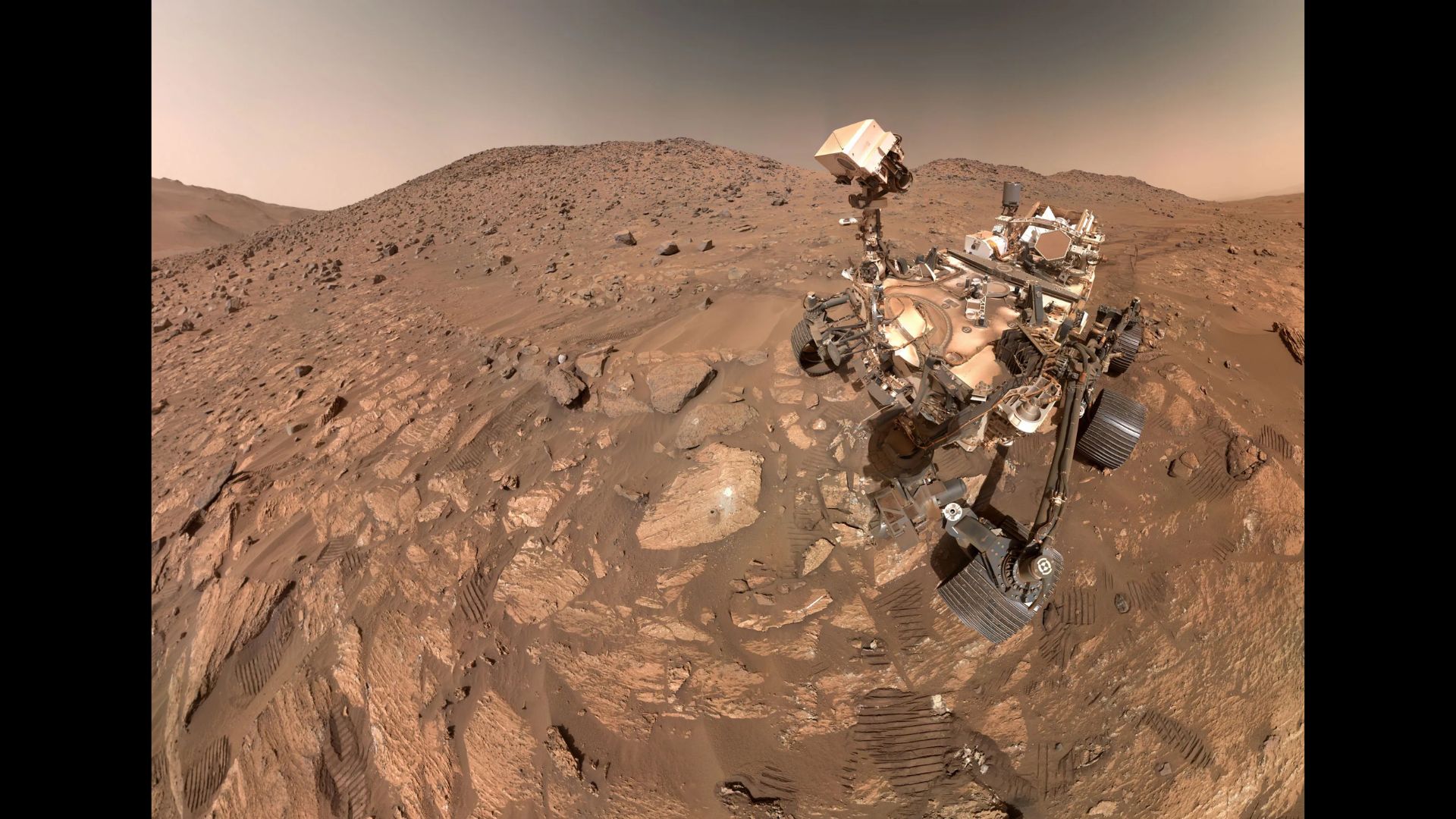
(Image credit: NASA/JPL-Caltech/MSSS)
NASA's cleanrooms rank among the cleanest spaces on Earth, and for good reason — these sterile spaces are fortified to prevent even the hardiest Earth microbes from hitching a ride to other worlds aboard NASA spacecraft. Yet even in the most sterile places on Earth, life finds a way.
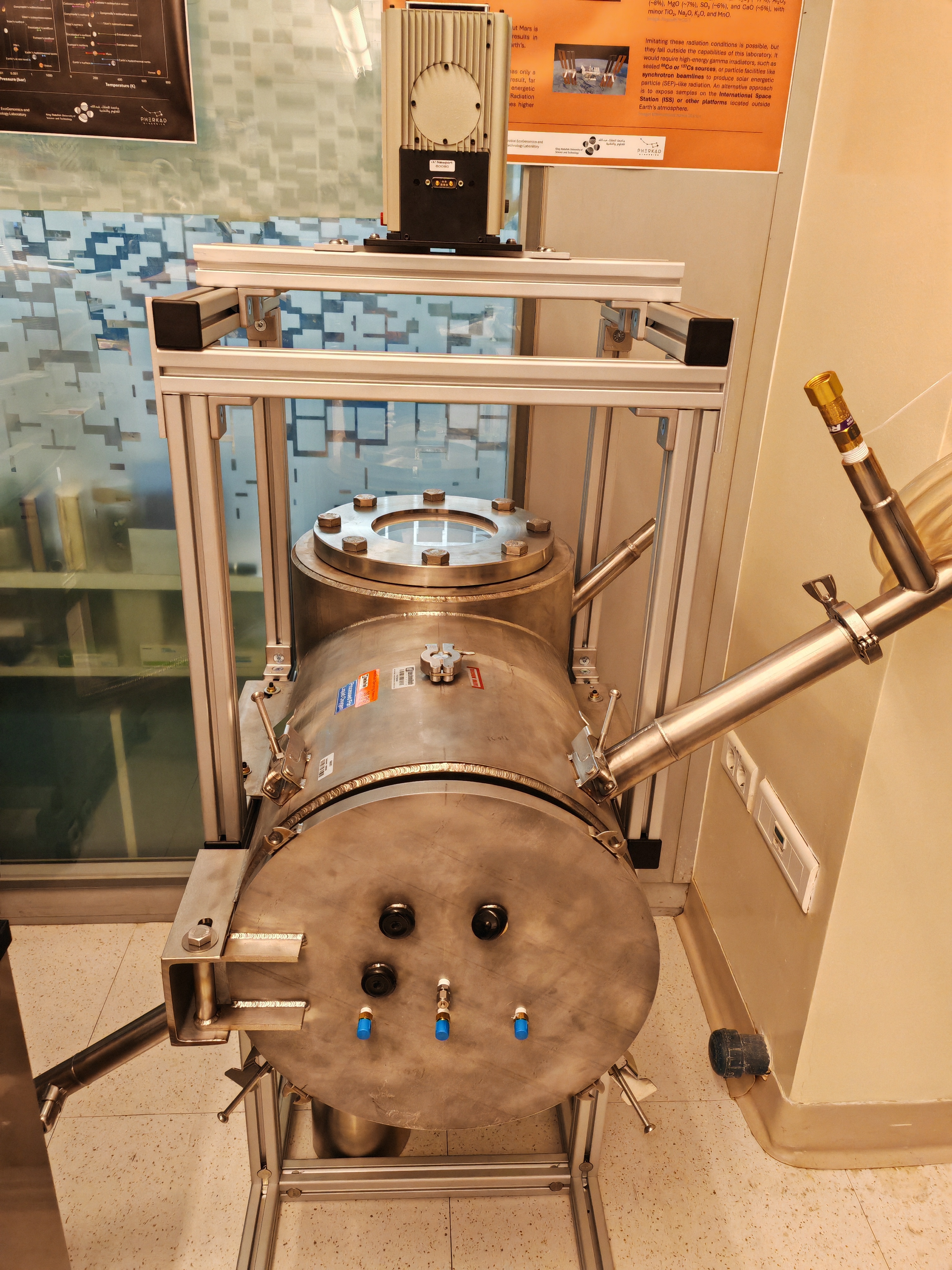
Now, experts plan to test these newfound bugs inside a "planetary simulation chamber" that could reveal whether these microbes, or ones with similar adaptations, could survive a trip through space to Mars, possibly contaminating the alien worlds on arrival.
"It was a genuine 'stop and re-check everything' moment," study co-author Alexandre Rosado, a professor of Bioscience at King Abdullah University of Science and Technology in Saudi Arabia, told Live Science about the findings, which were described in a paper published in May in the journal Microbiome. While there were relatively few of these microbes, they persisted for a long time and in multiple cleanroom environments, he added.
Identifying these unusually hardy organisms and studying their survival strategies matters, the researchers say, because any microbe capable of slipping through standard cleanroom controls could also evade the planetary-protection safeguards meant to prevent Earth life from contaminating other worlds.
When asked whether any of these microbes might, in theory, tolerate conditions during a journey to Mars' northern polar cap, where Phoenix landed in 2008, Rosado said several species do carry genes that may help them adapt to the stresses of spaceflight, such as DNA repair and dormancy-related resilience. But he cautioned that their survival would depend on how they handle harsh conditions a microbe would face both during space travel and on Mars — factors the team didn't test — including exposure to vacuum, intense radiation, deep cold and high levels of UV at the Martian surface.
To explore that question, the researchers are now building a planetary simulation chamber at the King Abdullah University of Science and Technology in Saudi Arabia to expose the bacteria to Mars-like and space-like conditions, Rosado said. The chamber, now in its final assembly phase, with pilot experiments expected to begin in early 2026, is engineered to mimic stresses such as the low, carbon-dioxide-rich air pressure of Mars, high radiation, and the extreme temperature swings the microbes would face during spaceflight. These controlled environments will allow scientists to investigate how hardy microbes adapt and survive under combinations of stresses comparable to those encountered during spaceflight or on the Martian surface, said Rosado.