Stranger Things finale proves Mike is a terrible Dungeon Master once and for all
SOURCE:Polygon|BY:Samantha Nelson
The Duffer Brother used D&D to frame their story in Stranger Things, but didn't learn the right lessons about storytelling
Starting with the very first episode of Stranger Things, the series creators Matt and Ross Duffer used Dungeons & Dragons to both foreshadow the show’s biggest villains and explain their powers. The protagonists refer to themselves as “the party” and the metaphors have been laid on so thick there was even speculation the series finale would reveal that the entire show was actually just a fantasy cooked up by the group’s Dungeon Master, Mike Wheeler (Finn Wolfhard).
[Ed. note: This story contains full spoilers for Stranger Things season 5]
Fortunately, that’s not what happened, though the finale does end with one last session of D&D. But it’s not a very good one! “This game is bullshit!” Max (Sadie Sink) screams as the rest of the players sit glumly around the table once Mike announces they’re powerless to defeat the iconic vampire Strahd Von Zarovich. But even after they figure out how to defeat “Strahd von Douchebag” by summoning an NPC to save them, Max isn’t satisfied with Mike’s trite ending for the campaign. “I thought you were some kind of master storyteller or something,” she complains.
Max’s criticism pushes Mike to deliver more personalized endings for all of his players, and the epilogues he offers up for each of their characters have clear parallels to the players (Will the Wise moves to a new city, for example). The happy endings Mike crafts bring his friends to tears with the sort of emotional catharsis meant to have the same effect on the audience. However, Max’s rant also feels like a very meta way to acknowledge the inevitable criticisms of the show’s ending — it was too ambiguous and focused on lore over characters — especially given that the Duffers have referred to themselves and their writers as “the Dungeons Masters of Stranger Things.”
Max isn’t even the first person to complain about Mike’s skills as a Dungeon Master. The whole party mocks the game he runs at the end of season 1. By comparison, Hellfire Club leader Eddie Munson (Joseph Quinn) was a great Dungeon Master. Eddie ran a campaign that pushed his players to the limits and then celebrated their triumph as they eked out a victory. The fact is, Mike makes a lot of mistakes running his D&D games, and they’re the same ones that the Duffers made as showrunners. Let’s take a closer look at Mike's flaws as a DM, and how they parallel some of the biggest problems with .
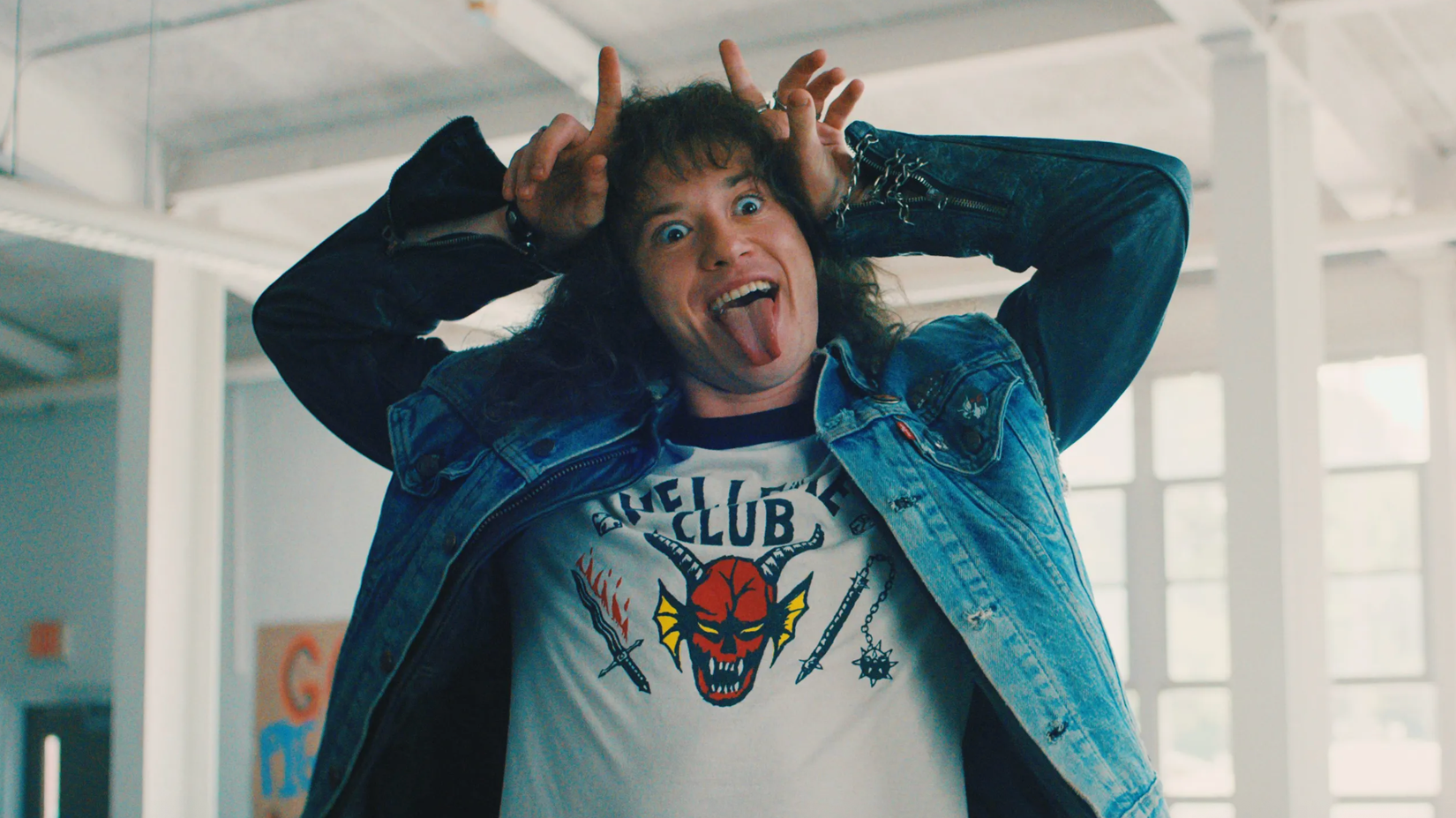Image: Netflix
A good D&D game is like an ensemble show: every character has a role to play, and they work together as a party to overcome a wide variety of challenges. Every player deserves to have a chance to shine when their action comes up. Unfortunately, the rules of the game haven’t always been conducive to that sort of balance. Spellcasters, especially at high levels, wind up feeling overpowered relative to melee characters, so their actions usually have a much greater impact on the game.
That divide has always been a problem for Stranger Things, with most seasons ending with Eleven (Millie Bobby Brown) using her psychic abilities to defeat the villain. Season 5 did a pretty good job of giving the rest of the party enough to do, from kidnapping a family to protect them to puzzling out the nature of the Upside Down. But that all fell apart in the finale.
The party expresses surprise about the bland terrain they see in the Abyss, but we never actually get an explanation as to why that’s the case. Did Vecna just run out of monsters? Was he so focused on his final plan that he couldn’t command the hive mind? Did all of the Demogorgons get absorbed into the Mind Flayer kaiju like the rats in season 3? This should have been an exciting final adventure where the characters used all their skills to survive hostile terrain, but instead it’s just a boring slog through an ugly green screen-generated environment where most of the characters have nothing at all to do.
Will, who had graduated to a spellcaster this season, barely mattered in the finale aside from momentarily holding off an attack from Vecna (Jamie Campbell Bower). Max was important because of how well she understood the paths through Vecna’s mindscape, but pretty much everyone else was relegated to just chipping away at the hit points of a giant monster.
Challenges should be the appropriate level
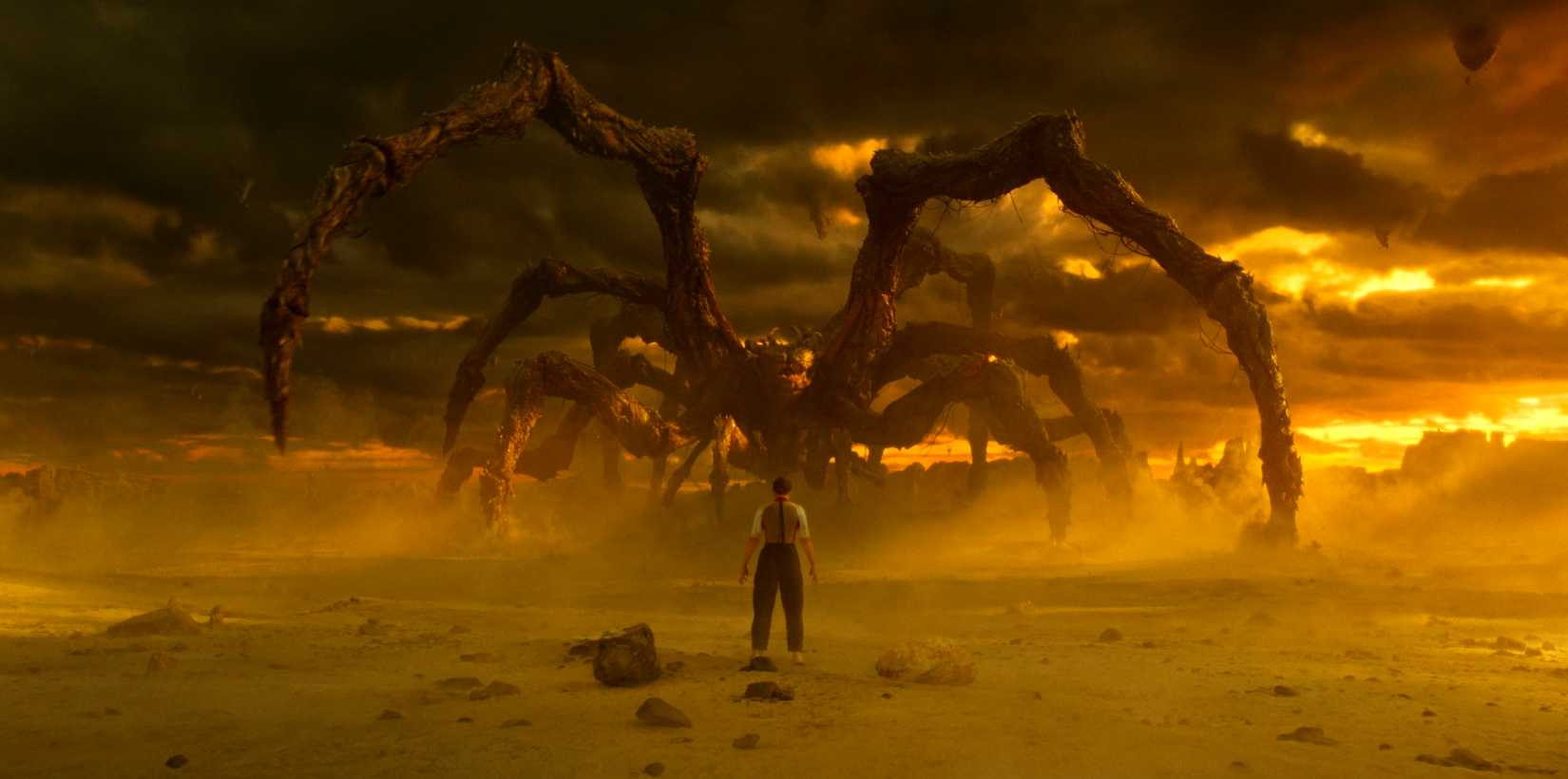Image: Netflix
The kaiju Mind Flayer parallels another big problem with Mike’s games. From the Demogorgon getting Will in the first episode to Strahd defeating all the player characters in the finale, Mike’s encounters are just too difficult. D&D 3rd Edition – which came out in 2000 – introduced the concept of Challenge Rating to help DMs balance adventures appropriately, but a veteran DM like Mike should already have a grasp of what his players can handle. I would be extremely disappointed as a player if a campaign ended with an NPC having to bail my party out.
The mage who defeats Strahd represents Eleven and her awesome powers, which eclipse what everyone else is capable of. The problem is that the Duffers ramped up the stakes and challenge level too much over the course of the show’s run. A single Demogorgon is still a major threat for a bunch of regular people, demonstrated in season 5 episode 3, “The Turnbow Trap.”
The episode where the party kidnaps Derek Turnbow (Jake Connelly) and his family to save them from Vecna felt more like a D&D game than anything else in the final season because it involved the party facing it as a team and using advanced planning to their advantage to deal with a superior foe. It even captured the improvisational aspect of D&D as the plan broke down in various ways as if to represent characters rolling poorly, like Erica (Priah Ferguson) failing to persuade Derek’s sister to eat her drugged pie, forcing her to drug the girl with a syringe instead.
Story is more important than fancy props
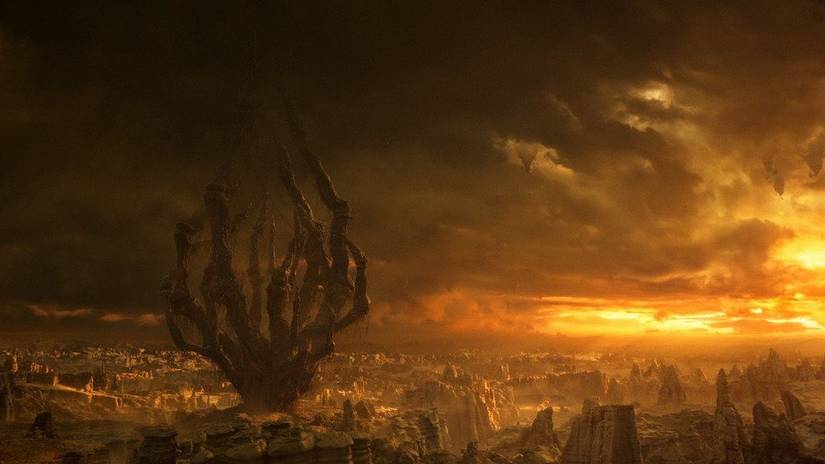Image: Netflix
Mike has a pretty sweet setup for a high school kid at a time when D&D accessories weren’t widely available. (Some of the terrain he uses is actually from Dwarven Forge, which launched in 1996.) But while the players enjoy being handed little piles of treasure representing their rewards for finishing the game, Max cares more about the story than the props.
That’s true of most players. Premium miniatures and accessories are big business, but the magic of D&D and other tabletop role-playing games is that you need very little to create many hours of entertainment for your friends. The visuals can just be hastily drawn on a grid and everyone can have a blast if the game is run well. You can even skip the grid altogether and run a “theater of the mind” adventure.
The Duffers also lost sight of this truth as Stranger Things became more driven by special effects than story. The first version of the Demogorgon was often just a guy in a suit because of budget constraints that evaporated when the show became a hit. The final season had an absurd per-episode cost of $50 to $60 million. While the extra toothy versions of the Demogorgons featured in this season looked great, the final battle was ugly, silly, and failed to make the character growth feel like it mattered.
A far better confrontation happened earlier in the final episode, when Vecna tortured Hopper (David Harbour). Vecna’s greatest weapons have always been fear and guilt – he doesn’t need to pilot around a giant monster. Why couldn’t the confrontation involve Vecna, weakened by having to relive his own worst memory, trying once more to drown the party in sorrow only to have them fight back with their shared strength of will? That would have been narratively tighter, and a lot cheaper.
Know when to end the campaign
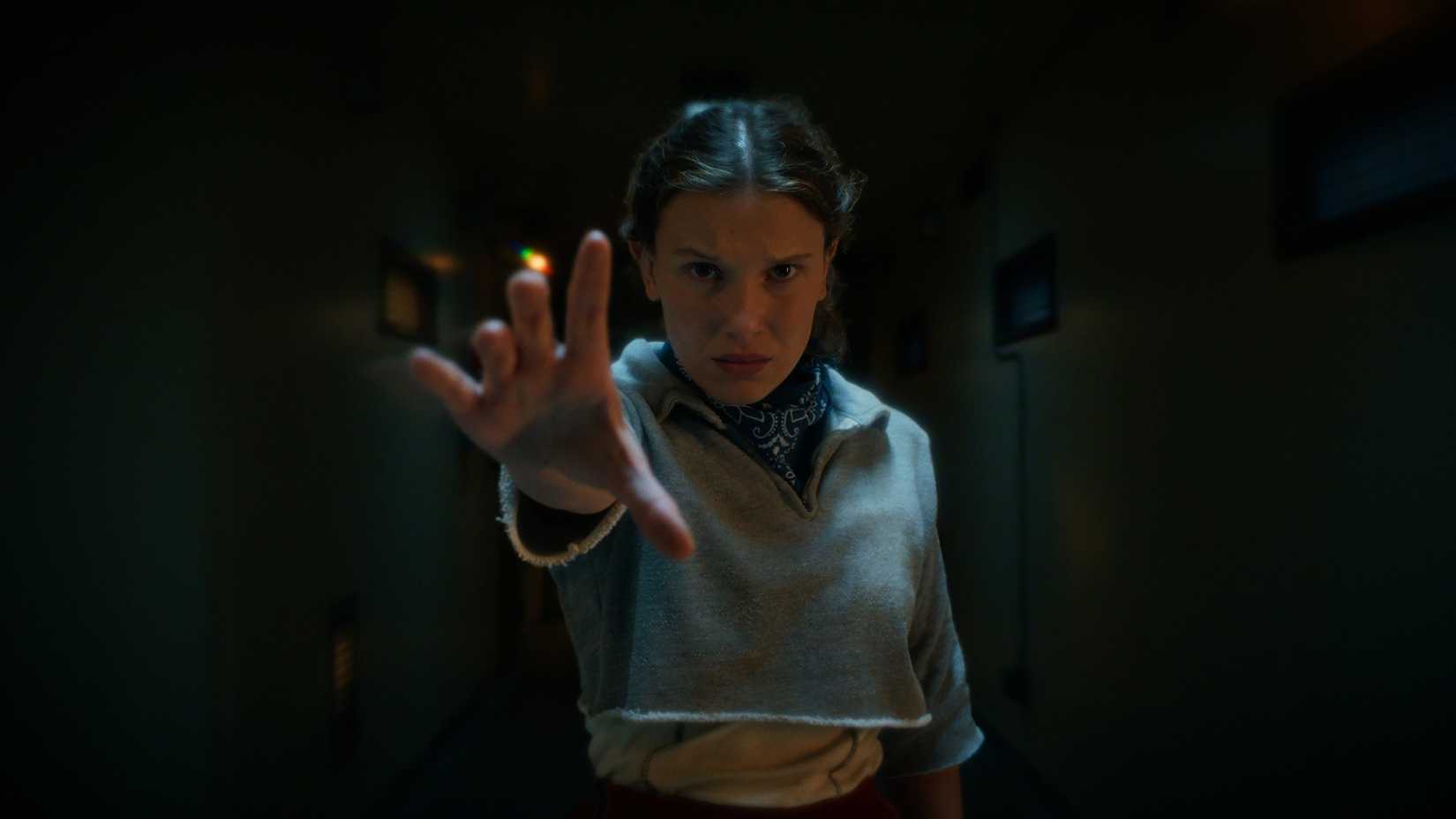Image: Netflix
Mike wraps up his campaign right before dinner, which seems really lame. The group had already decided they’re not going to their graduation party, so what are they going to do the rest of the night? An epic D&D final session could have gone on longer — and it should have.
Ironically, the Duffers needed to learn the opposite lesson. Stranger Things season 1 ended with the party complaining about all the plot holes in Mike’s game, a way of teasing the many adventures still ahead. Yet the Duffers ended season 5 with so many unanswered questions, including how the group managed to escape the custody of the evil Dr. Kay to resume their normal lives and play D&D again. The Duffers should have accepted that there was never going to be time for everything they wanted to do and ended the show years ago, or saved some of their ideas for a different show.
Scheduling is the death of many D&D games, and some of the problems that led to five seasons of TV being stretched over nine years were out of their hands. The COVID-19 pandemic, along with the SAG-AFTRA and Writers Guild of America strikes had a major impact on the show’s development. But sometimes you have to figure out a way to keep playing, even if it’s not under ideal circumstances.
When Mike and Dustin (Gaten Matarazzo) asked Eddie to postpone the final session of his Hellfire Club campaign because Lucas (Caleb McLaughlin) was busy, Eddie refused because he knew his days at Hawkins High School were numbered. Instead, Eddie pushed them to see the need for a replacement player as an opportunity to find someone else to introduce to the game. Likewise, the Duffers and Netflix should have figured out a way to condense the series so they didn’t have to deal with their actors aging out of the roles.
There’s a sense of finality in the way each of Mike’s players put their character folders on the shelf, with Mike ceding control of the basement to his little sister Holly (Nell Fisher) and her new D&D party. Hopefully, Holly had learned some things from Mike, and can manage become a better DM than he ever was. Meanwhile, the Duffers are heading to Paramount while also working on Stranger Things spinoffs for Netflix. Whatever’s next for them will likely involve fewer d20s, but they should try to take the lessons of running a good game to heart in order to improve their work as storytellers and showrunners.