Subsidies, sweeteners and price hikes: What changes on January 1
Long-promised changes in force in the new year include protections for cash, passport price hikes, and the arrival of Australia’s first Centre for Disease Control.
The organisation will prepare the nation for public health emergencies and track the spread of disease.
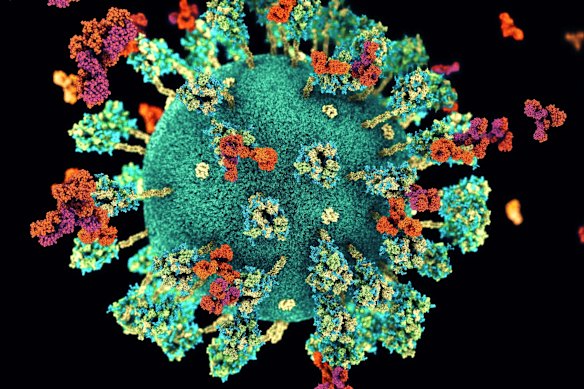
The Centre for Disease Control will prepare the nation for future public health emergencies.Credit: Dr Drew Berry/WEHI
Australia was the only country in the OECD – a key international standard-setting organisation – to not have its own centre for disease control. Australia’s is launched as the US Centres for Disease Control is rocked by controversies over the edicts of the Trump administration health secretary Robert F. Kennedy Jr.
Three-day child care guarantee begins
Shortly after New Year’s Day, on January 5, families eligible for the government’s Child Care Subsidy can get three days per week of subsidised child care.
Known as the three-day guarantee, a couple earning less than $530,000 will be subsidised for at least 72 hours of child care each fortnight.
Loading
Parents will be eligible for 100 hours of subsidised care each fortnight if each parent works or studies more than 48 hours during that period, or if an exemption applies.
The activity test, which limited how much of the subsidy parents got based on how many hours they worked, will be abolished to improve accessibility for low-income families.
“Our three-day guarantee will ensure every family can afford three days of high-quality early education,” the prime minister said when he announced the changes in 2024.
The energy rebate ends
Australians can expect to pay more for their power bills in the new year after Labor nixed its energy rebate.
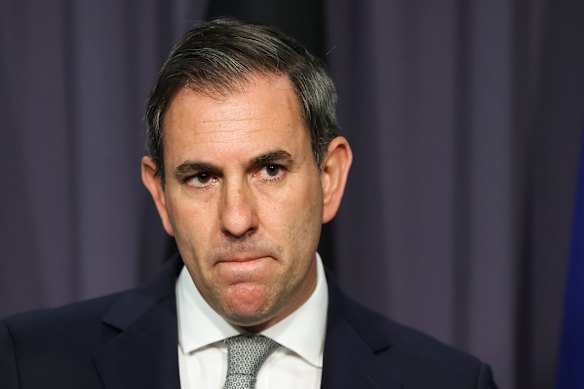
Treasurer Jim Chalmers said difficult decisions had to be made in the mini-budget released this month.Credit: Alex Ellinghausen
Treasurer Jim Chalmers announced this month that Labor would not extend its $300 power bill subsidy beyond December 31.
He said ending the subsidy, which would have cost another $2 billion to run for a further six months, marked a change in the government’s approach to dealing with cost-of-living pressures and stop consumer reliance on direct cash support.