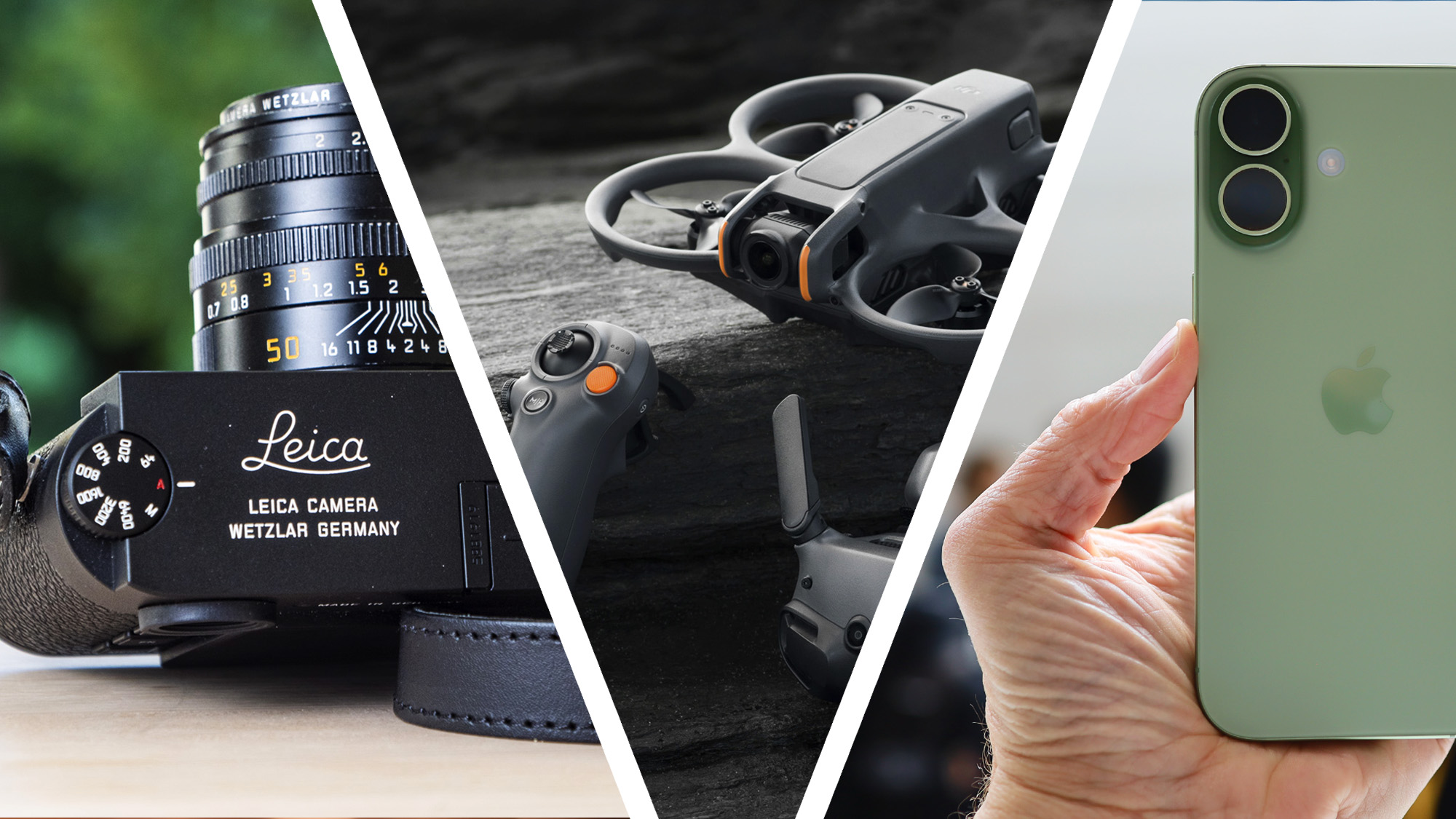
The 12 most exciting cameras to expect in 2026 — from DJI's first 360 drone to the iPhone 18
SOURCE:TechRadar|BY: Timothy Coleman
What can we learn from 2025 as to what new camera gear to expect for 2026? Here are the likely and most exciting launches that could come in the next 12 months...
(Image credit: Future / DJI)
Predicting the most exciting cameras for the upcoming year has become something of a tradition for me. Looking back at my shortlist from this time 12 months ago I correctly predicted 10 out of 12 new cameras, including the Canon EOS R6 Mark III, Sony A7 V and iPhone 17.
I had a couple of misses. A new Pentax SLR film camera is yet to materialize (though I did note it was unlikely for 2025), while the Lumix S1H II, which I really did expect, turned out to be a Lumix S1 II, my video camera of the year. Not a bad track record.
So what does 2025 teach us as we look ahead to the coming year? There will be a few of the usual annual launches, but hopefully plenty of surprises, and ased on products past, current rumors and a little wishful thinking, I've put together my 12 most exciting cameras for 2026, in reverse order of desirability – let me know which cameras you're most excited for in 2026 in the comments below.
Sign up for breaking news, reviews, opinion, top tech deals, and more.
The list
12. Samsung Galaxy S26 Ultra
Likelihood rating: 5/5
Excitement rating: 2/5
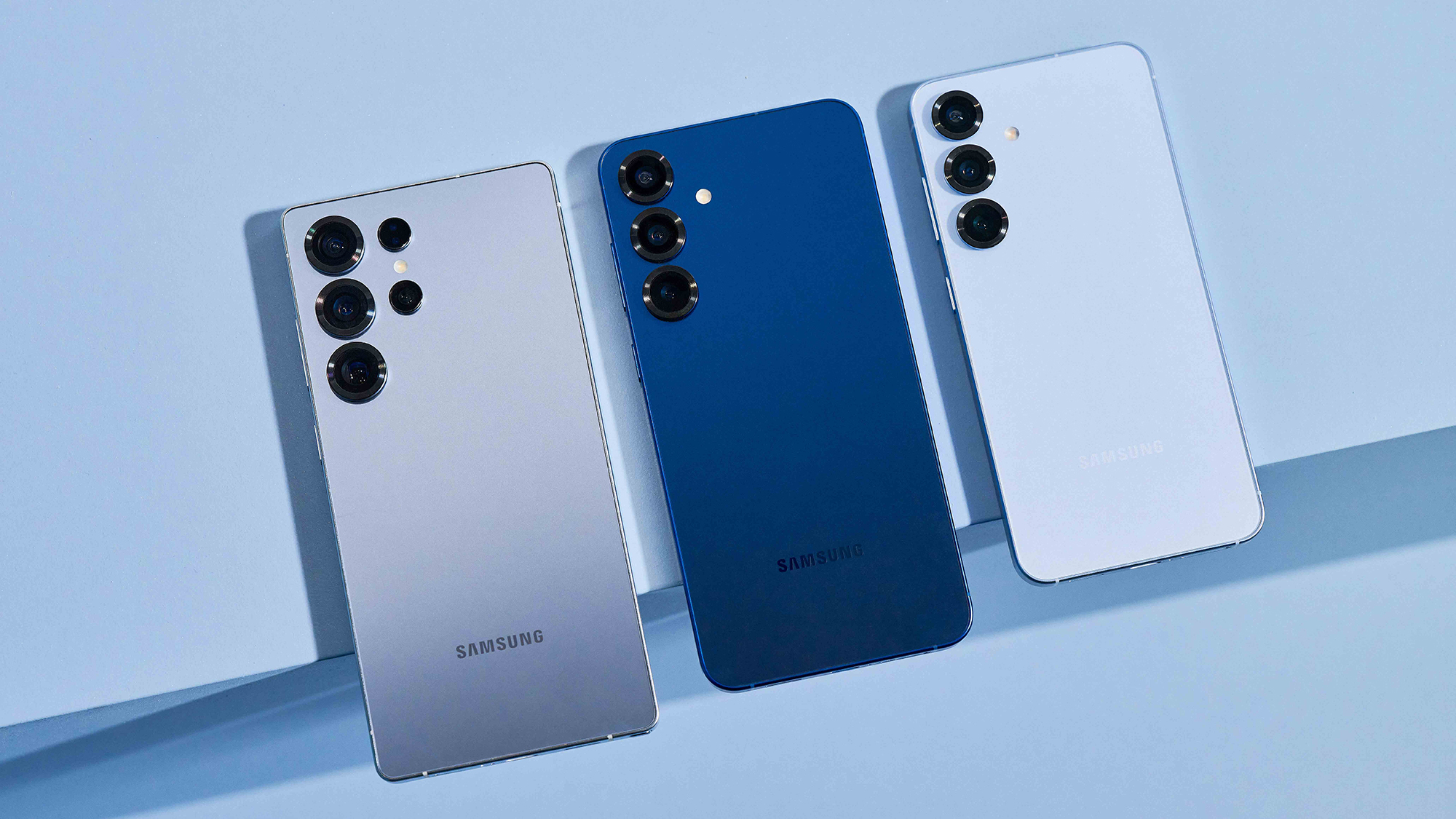
A leaked Samsung Galaxy S25 Ultra render (Image credit: Samsung)
Samsung Galaxy flagships are almost always launched in the first quarter of every year, and so we probably don't have long to wait for the S26 line, which usually includes three variants spearheaded by the 'Ultra' model.
So far, Galaxy S26 rumors have underwhelmed for photography fans – in short, we're not expecting the kind of camera array shake-up seen in the latest iPhone 17. For example, the S26 Ultra is tipped to feature the same 200MP main camera, 50MP ultra-wide camera, and 50MP periscope camera with 5x zoom as the S25 Ultra. There could be a minor bump in resolution for the additional telephoto camera, from 10MP to 12MP, but otherwise that could be it for the Ultra model upgrades, while the S26 and S26 Plus could also inherit that 12MP telephoto camera.
That's not to say there won't be any surprises in store – and in fairness to Samsung the S25 Ultra already possesses one of the best camera phone setups around.
11. GoPro Hero 14 Black
Likelihood rating: 3/5
Excitement rating: 3/5
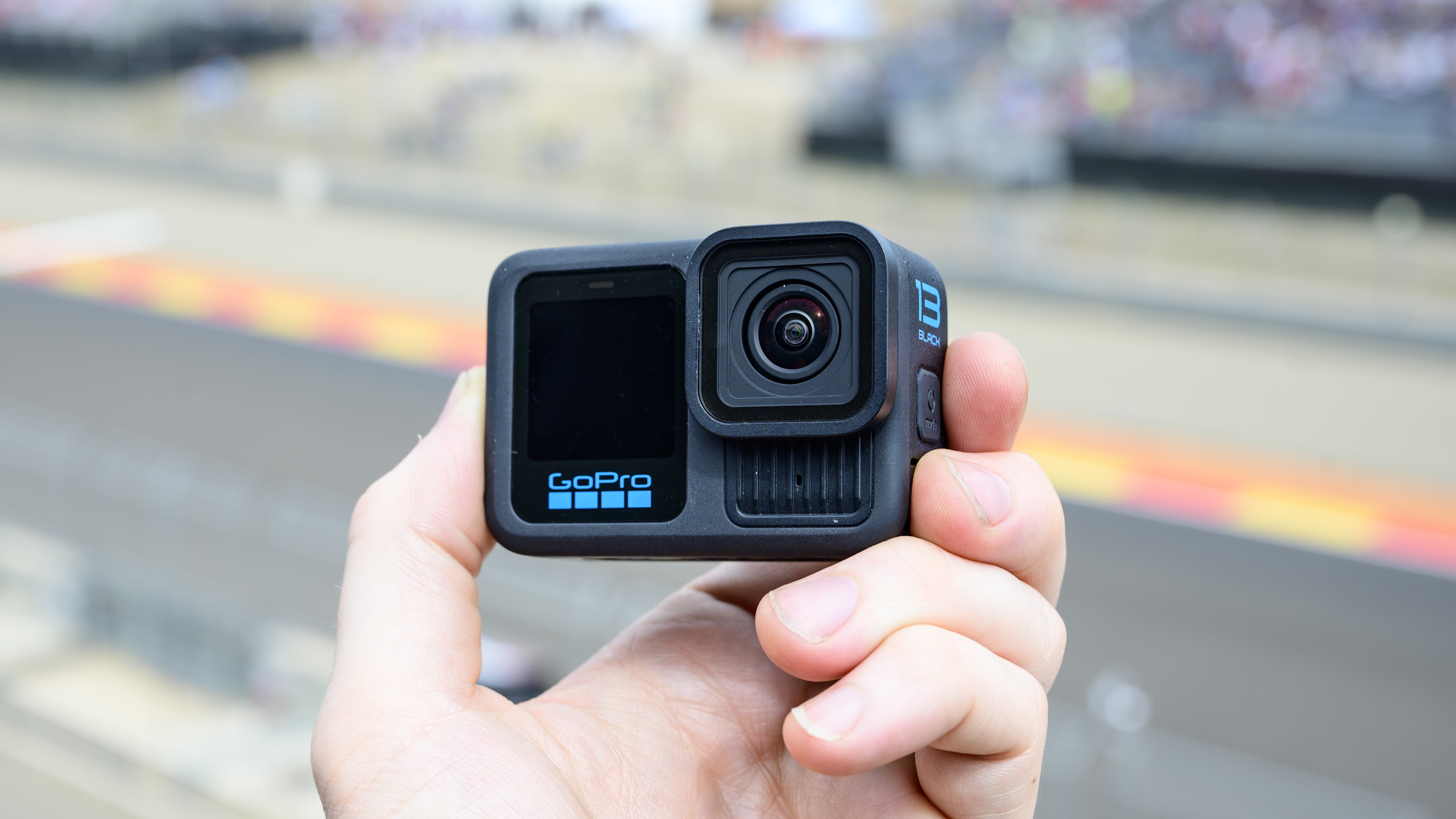
Autodetected Lens Mods were the standout upgrade in the Hero 13 Black. Meanwhile the sensor hasn't been upgraded for several iterations – will a Hero 14 Black be the shake-up needed for GoPro's flagship line of action cams? (Image credit: Future | Tim Coleman)
2025 was the first year in a decade that we didn't see a new GoPro Hero Black model – but the brand assured us that its flagship action camera isn't dead, it's just resting. We got other new GoPro cameras in 2025 (the GoPro Max 2 and the GoPro Lit Hero), and we suspect the brand has slowed its Hero Black cadence not only to make room for those, but to see what competitors like Insta360 and DJI are up to.
There's a feeling that the next Hero Black needs to be a bit special, and a minor evolution of the excellent GoPro Hero 13 Black wouldn’t have cut it in the current market. So what are the big changes we might see in a Hero 14 Black? A new sensor and processor capable of 8K video capture could be on the cards, and GoPro could certainly make improvements to the Hero Black's low-light image quality, either through the new sensor or a faster lens.
And there's likely to be more than the Hero Black on the way, too. We're still awaiting GoPro's first motorcycle helmet, which should integrate tech derived from Forcite, the Australian smart helmet manufacturer acquired by GoPro in 2024. GoPro could also launch totally new action cams in 2026, according to CEO Nick Woodman. All in all, 2026 could be a bumper year for the brand.
10. DJI Osmo Pocket 4
Likelihood rating: 5/5
Excitement rating: 4/5
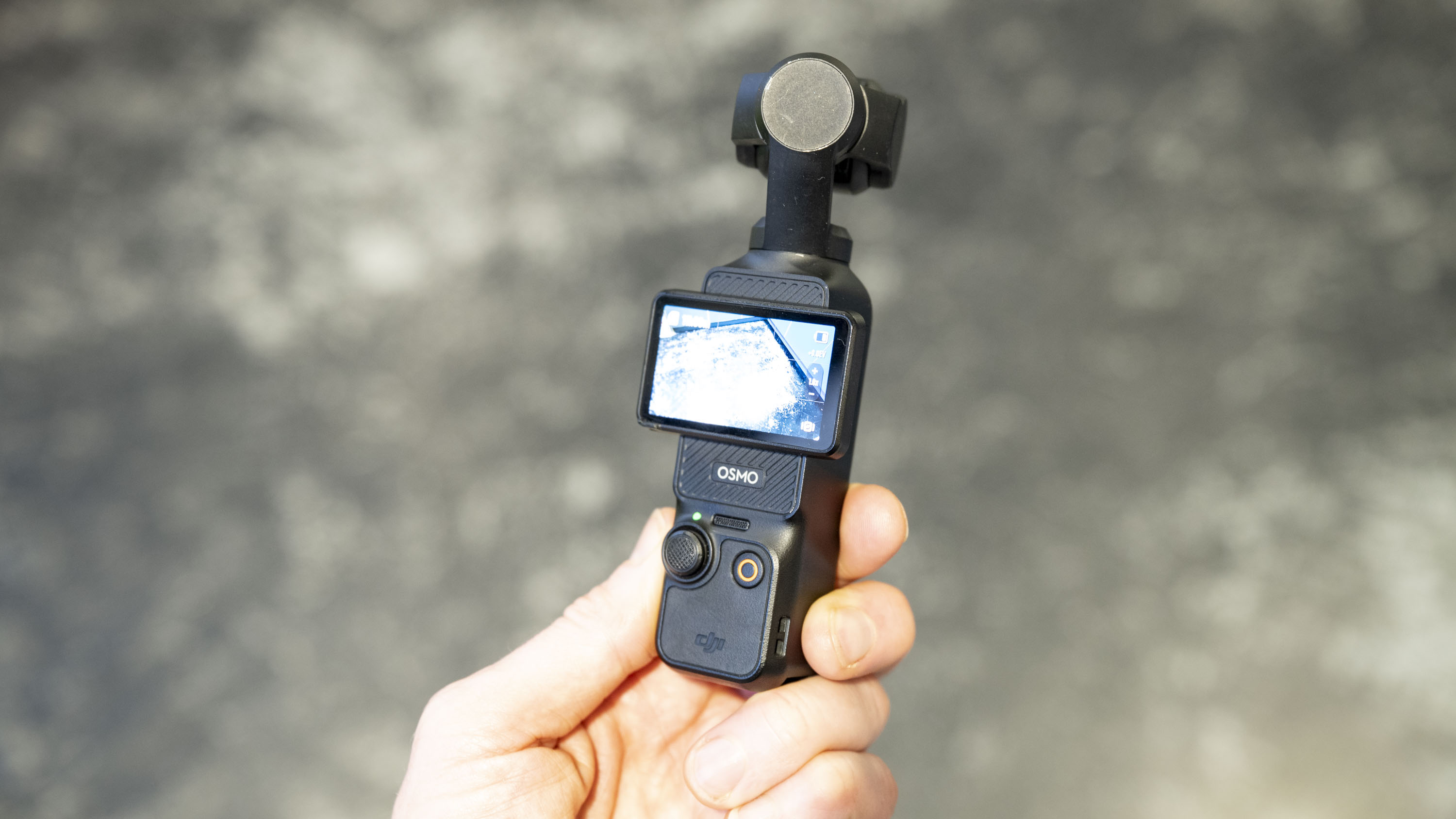
(Image credit: Tim Coleman)
The heavily rumored DJI Osmo Pocket 4 looks set to shake up the vlogging camera market with two game-changing features: a dual-camera setup and a second screen. The dual sensors could enable simultaneous front and rear recording – perfect for capturing both the action and your live reaction – while rumors suggest video capabilities will jump to 4K at 240fps, up from the Osmo Pocket 3's 60fps maximum.
Some leaks even hint at 6K recording with 10-bit color depth, though multiple variants (including a Pro model) might be on the cards. We could also see a battery bump from 1,300mAh to 1,545mAh, and the whole package might come in a slightly taller body. It's set to be an aggressive upgrade that addresses the main criticisms of the Pocket 3 while maintaining the gimbal-stabilized form factor that's made it a hugely popular vlogging camera.
The Osmo Pocket 4 has already cleared approval with US regulators, and could arrive any day now, with the frequency of recent leaks suggesting an imminent announcement. However, there's one major complication for US-based consumers – the government's blanket ban on all DJI products, which suggests the Osmo Pocket 4 won't be launching at all stateside.
9. Sony FX3 II / A7S IV
Likelihood rating: 4/5
Excitement rating: 4/5
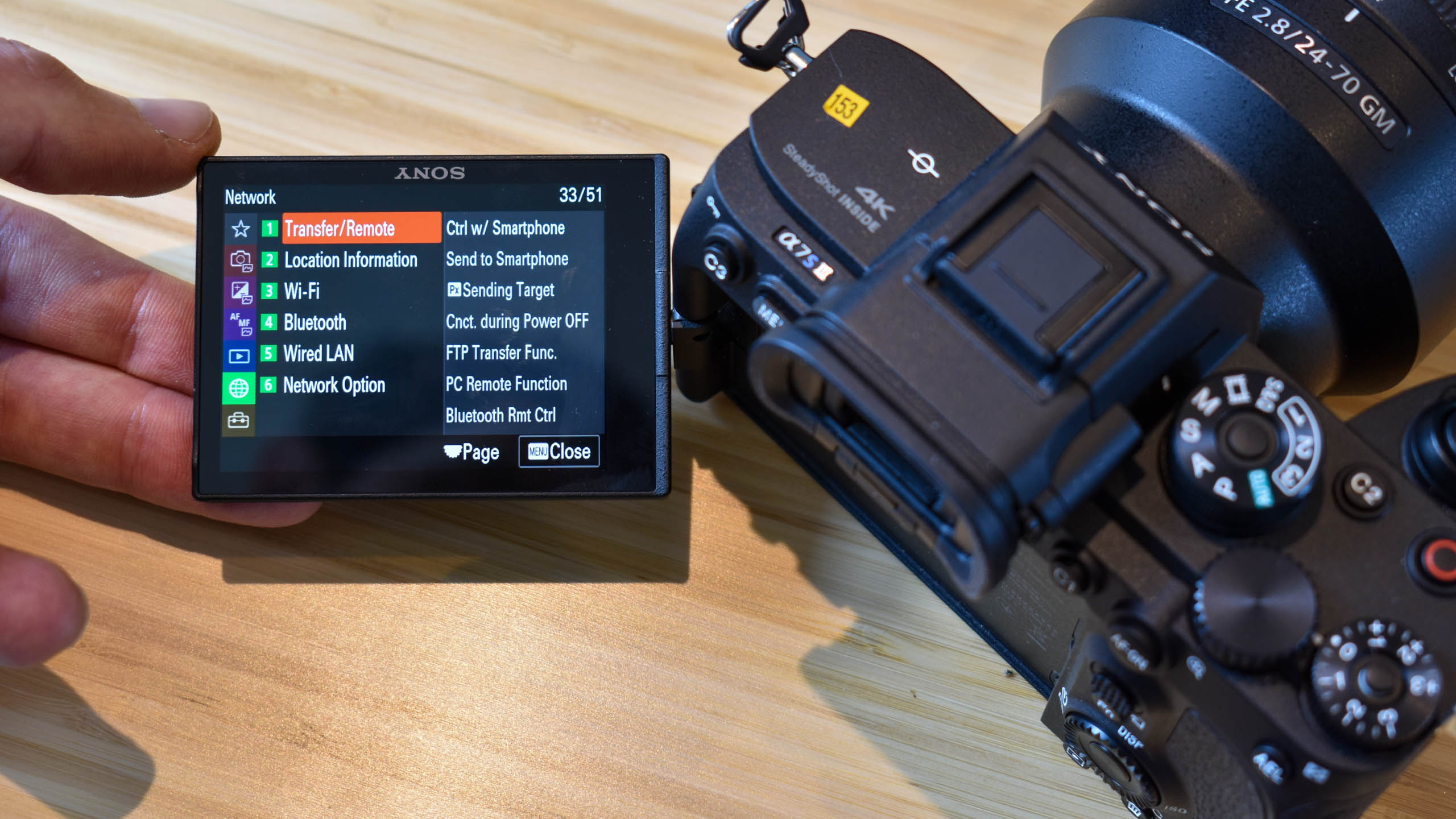
Remember the A7S III? Yes, the 4K video heavyweight from 2020! Might it be wishful thinking that a new video camera is on the way? (Image credit: Future)
Sony surprised us all when it dropped the RX1R III premium compact last year without even a murmur on the rumor front, and also because it came a full 10 years after the RX1R II. We thought the line was dead – turns out it wasn't! Could Sony do the same thing with its 4K video specialist E-mount camera series, updating the A7S III from 2020? I'm not so sure about a rumored A7S IV, but stranger things have happened.
What is perhaps a wiser bet is upgrades to any one of those Sony full-frame cameras that use the same 12MP sensor as the A7S III, which excel in low light in particular, and they include the Sony FX3 and Sony ZV-E1. Indeed, Sony FX3 II rumors surface regularly, especially since Canon and Nikon piled on the pressure with the EOS C50 and Zr respectively.
So what can we expect from Sony? The rumors suggest that a 24MP stacked sensor will be rolled out to multiple Sony cameras, with triple base ISO, 6K video up to 120fps, and 4K 120fps oversampled from 6K. There's also a suggestion that open gate video will feature. All of these features would represent a significant step up from the FX3, A7S III and ZV-E1, while a successor to the FX6 Cinema Line full-frame camera has also been mentioned.
If I was to place a bet on any of the above getting a successor this year it would be the FX3, and an FX3 II would cement Sony's position as a go-to camera maker for small-production filmmakers.
8. iPhone 18 Pro / Pro Max
Likelihood rating: 4/5
Excitement rating: 4/5
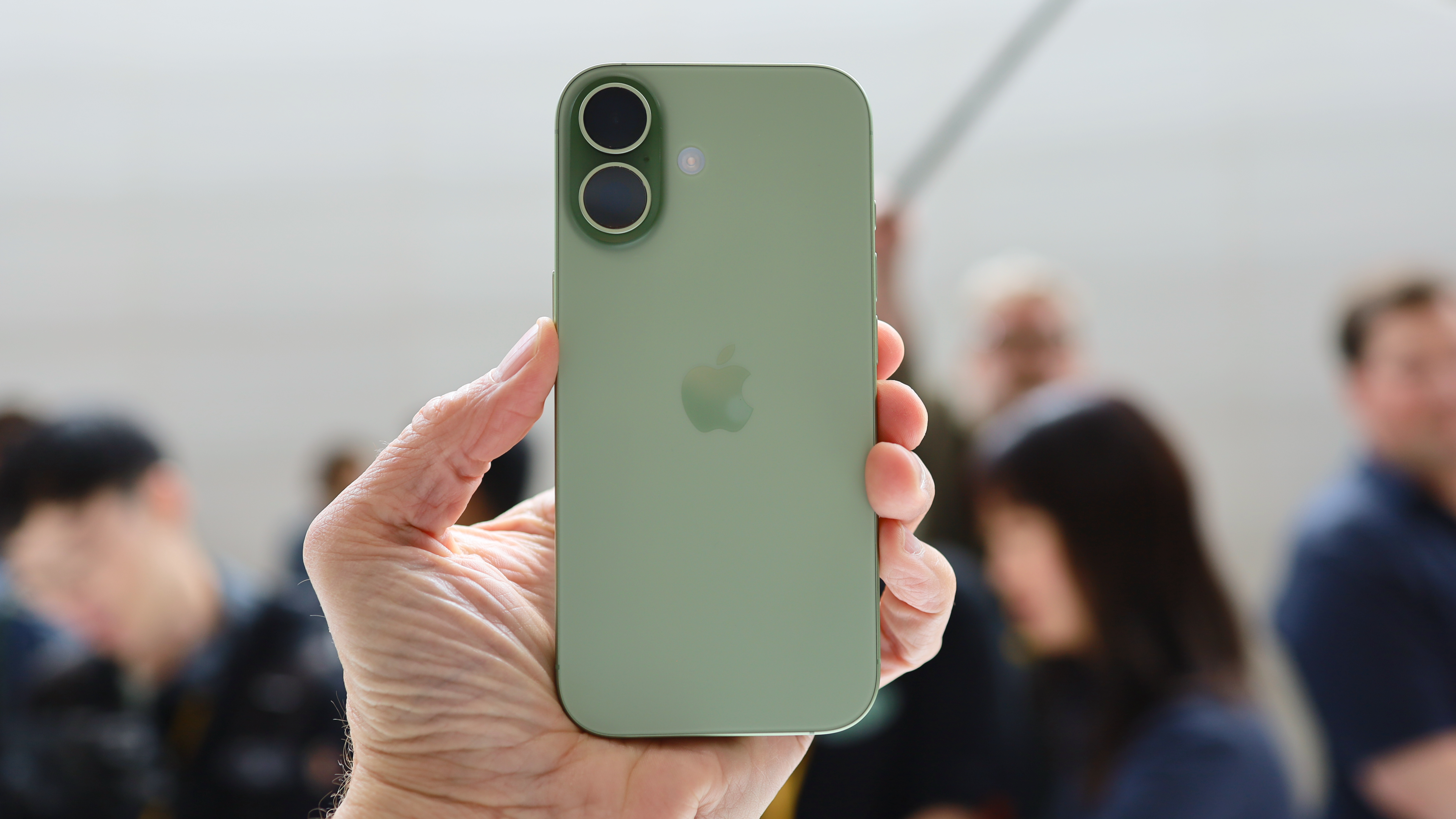
The iPhone 17, during our first look at the phone's launch (Image credit: Future/Lance Ulanoff)
After years of iterative upgrades, the iPhone 18 Pro might be the big leap forward we've been waiting for. If rumors are correct, the headline feature may be a variable aperture for Pro models – finally giving us real control over light intake and depth of field rather than software approximations – which would put Apple on par with the few Android manufacturers brave enough to include the feature. Analyst Ming-Chi Kuo has reported that Apple has placed a huge order for variable-aperture lenses and shutters, seemingly destined for the iPhone 18 Pro.
Pro models are also rumored to get a new triple-layer Samsung sensor promising faster response times, better dynamic range and cleaner low-light shots, according to an X post by serial leaker Jukan. Meanwhile, there are rumors that under-display camera tech could finally see the awkward notch we've lived with since the iPhone X ditched, creating an uninterrupted screen that'll make composition more immersive.
Chuck in other rumors, like the jump to 3nm chipsets for serious computational photography muscle, 12GB of RAM across all models and the potential for 10x optical zoom on the Pro Max, and you've got a package that could finally silence critics who say iPhones have fallen behind rivals in the camera stakes.
Current rumors suggest the iPhone 18 Pro and Pro Max will launch in September 2026, so expect plenty more rumors in the meantime.
7. Ricoh GR IV Monochrome
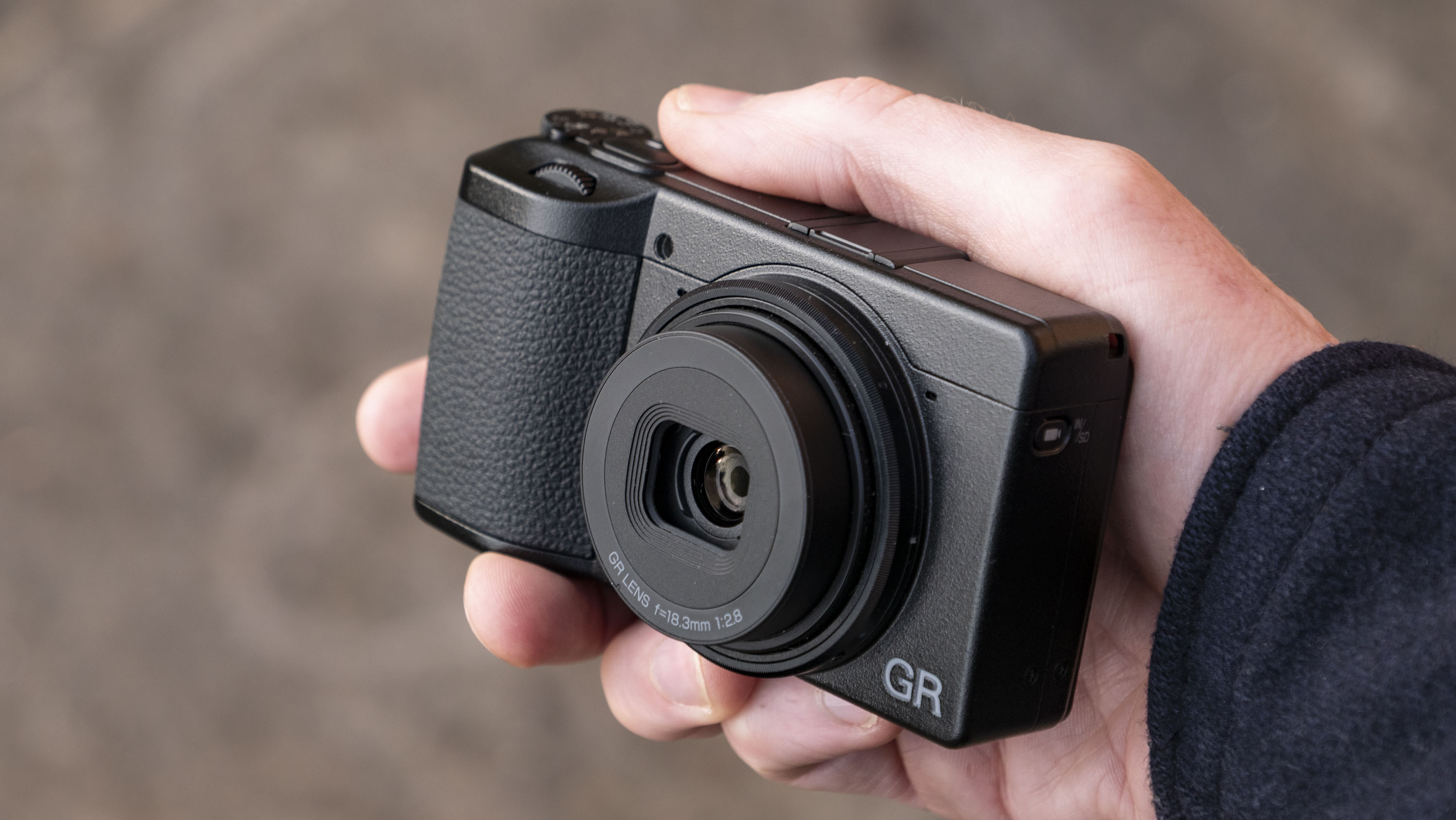
The Ricoh GR IV in my hand during my in depth review. The upcoming 'Monochrome' variation is particularly exciting for me (Image credit: Future / Tim Coleman)
Likelihood rating: 5/5
Excitement rating: 4/5
Ricoh announced the excellent GR IV premium compact camera in mid-2025, and it was launched globally a few months later.
The GR IV came six years after the GR III, and delivers a respectable set of upgrades, not least of which is a new 26MP APS-C sensor with 5-axis stabilization, which is squeezed into an even smaller body that slips into a pocket, supported with improved battery life and more internal storage.
It wasn't the upgrade I'd specifically hoped for, but I expect the GR IV to be a top seller nonetheless. What really grabbed my attention, though, was that shortly after the GR IV launch Ricoh told us that a GR IV Monochrome is in the works. It will likely be identical to the GR IV, but with the color filter array removed so that, as its name suggests, it's monochrome-only.
The upshot will be better sensitivity to light, and a more natural grain in images with a filmic quality, based on my experience with other monochrome digital cameras. I tend to shoot mostly in black and white with my own GR IIIX, and so this niche version of the GR IV is of particular interest – and it will be priced much more accessibly than the pricey Leica Q3 Monochrom.
We can be pretty confident that this camera will indeed see the light of day, though at the time of writing there's no word on a time frame – I'm hoping we'll see it by mid-2026.
6. Nikon's next cinema camera
Likelihood rating: 3/5
Excitement rating: 4/5
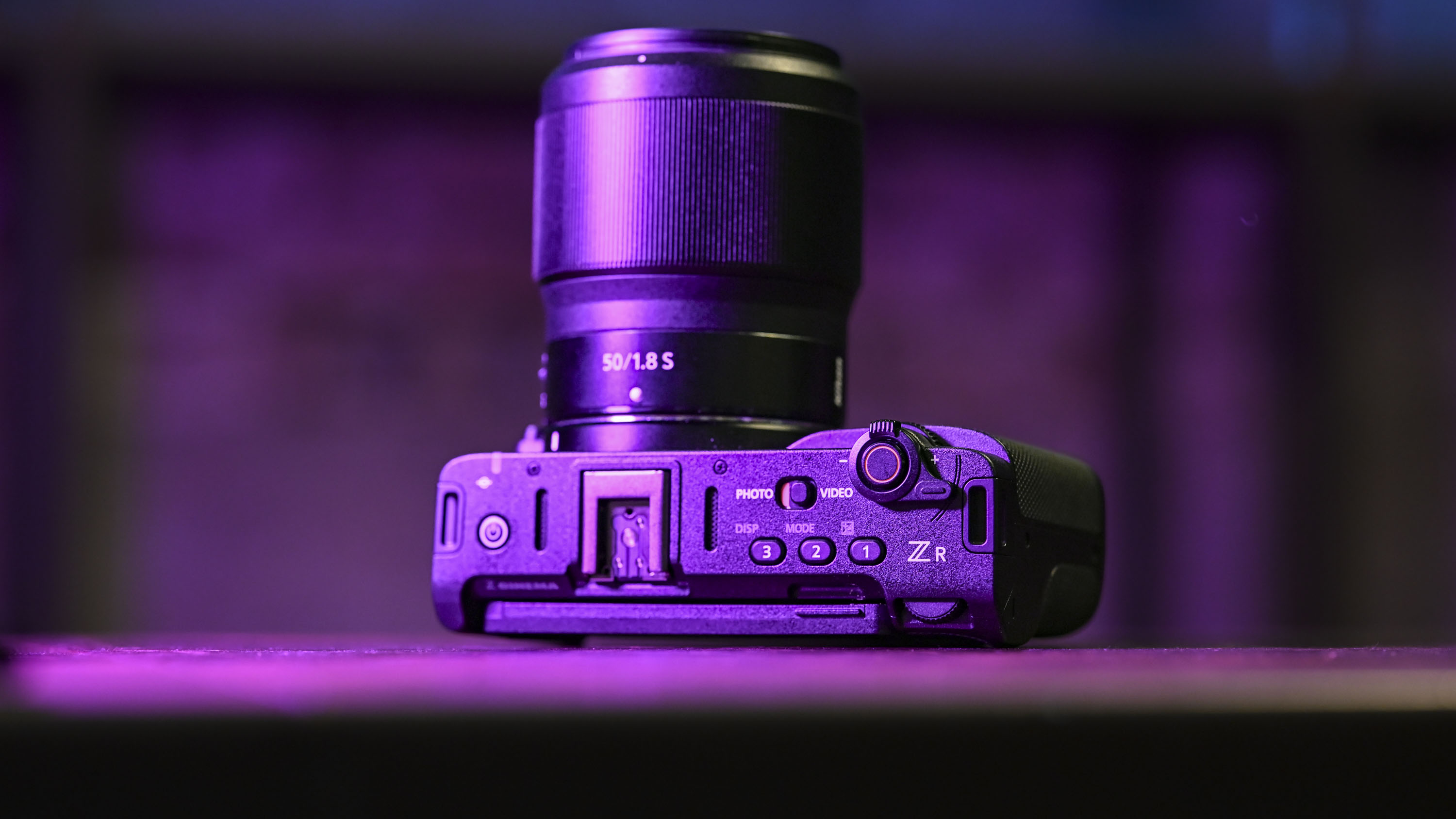
The tiny Nikon Zr was Nikon's first 'cinema' camera since its RED acquisition. Now filmmakers are dreaming about a larger version with high-end features (Image credit: Tim Coleman)
Nikon acquired major cinema player RED in March 2024, and just 18 months later it has already relaunched two existing RED cameras with Nikon’s Z-mount – a new and more affordable V-Raptor XE, plus a completely new line of Nikon Z 'Cinema Cameras', kicking off with the Nikon ZR.
Branded Nikon RED, the ZR was surprisingly polished, inheriting a lot of tech from the Nikon Z6 III, including 6K 60fps video recording with in-camera 12-bit RAW. However, it added a new RED R3D 'NE' codec, 32-bit float audio capture, and a rival-beating 4-inch touch display, all squeezed into an impossibly small body, and available at an affordable price that heaped the pressure on Sony, Canon and Panasonic.
At the IBC show in September, Nikon also announced that it's making cinema lenses, so it's clearly investing in this space. However, it's the prospect of another Nikon Z cinema camera that has serious videographers excited. The Zr was clearly designed to be as light and small as possible, like the Sony ZV-E1, but a chunkier model with proper connectivity and modular design would really make the cinema camera world sit up and take note.
There are no credible rumors yet, so will such a camera come in 2026? The safer bet would be 2027, if at all, but given that Nikon is putting on the afterburners in this space, don't be surprised if a bigger sibling to the Zr arrives this year. Or, Nikon could go the other way and make an even more affordable version of the ZR with a smaller APS-C sensor. Either way, I'm expecting plenty more action in the prosumer cinema camera space following a bumper year in 2025.
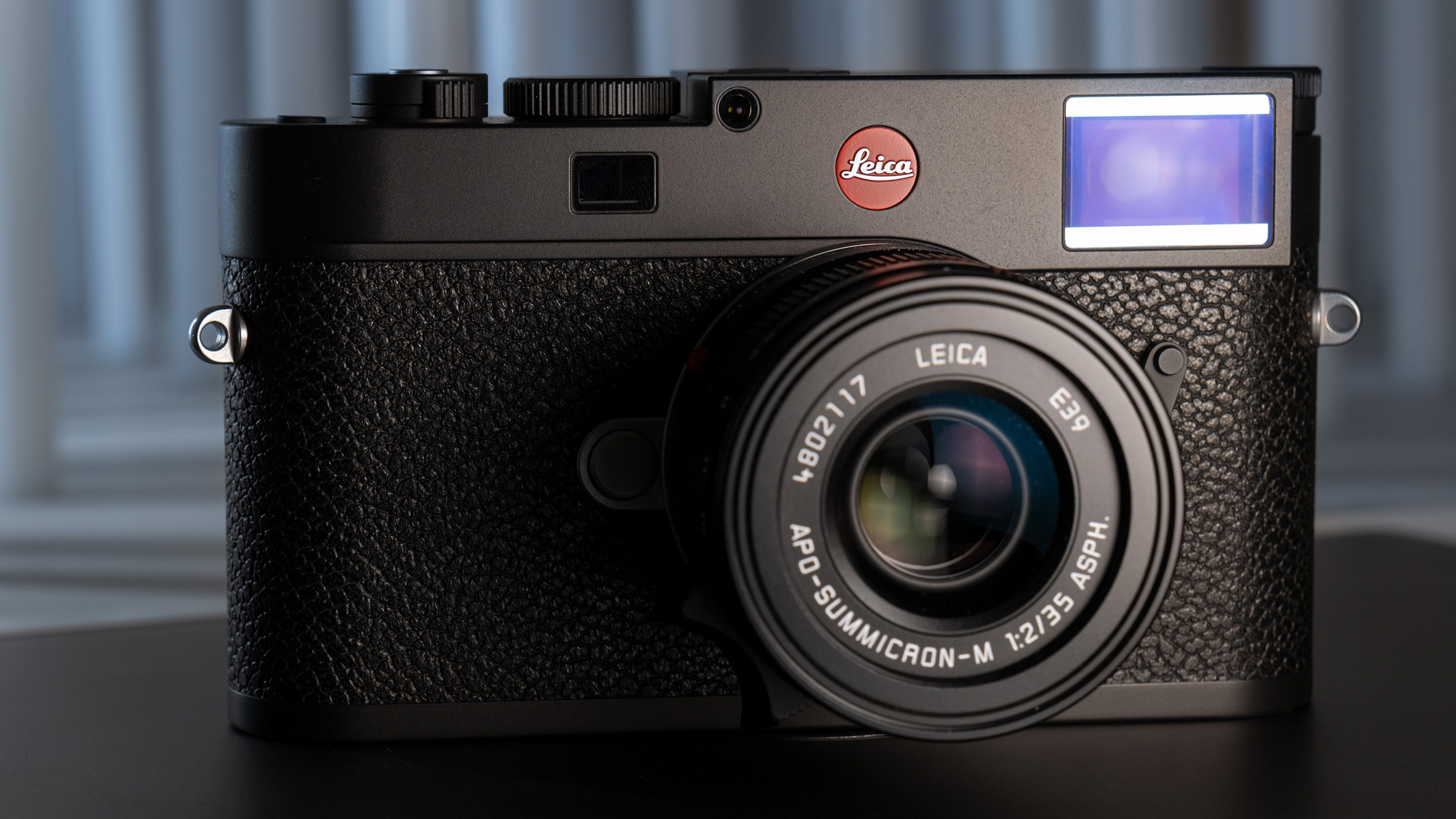
5. Leica M12
Likelihood rating: 4/5
Excitement rating: 4/5
There have been several variations of the Leica M11 since its January 2022 launch, and a successor is just about due (Image credit: Leica)
Rumors about Leica's next fully fledged M series camera began circulating in the middle of 2025, with leaked images hinting at some impressive updates to the classic rangefinder design – a larger rear screen (3.9-inch as opposed to the current Leica M11's 2.95-inch display), a new dial behind the shutter button, and potentially the removal of the ISO dial completely. The overall result appears to be more minimalist than previous M-series models, with fewer buttons and dials overall.
Mockups obtained by Leica Rumors suggest the rangefinder setup itself may be evolving into a hybrid design combining the benefits of optical and electronic viewfinders. It's something we've not seen from Leica before, but Fujifilm's X100 series has something similar. Leica users are famously very fond of the uique experience offered by the M series' optical rangefinder, but the brand has shown a willingness to stray from its traditions recently with the EVF-equipped Leica M EV1. Perhaps the M12 will offer something in the middle, pleasing traditionalists and casual users alike.
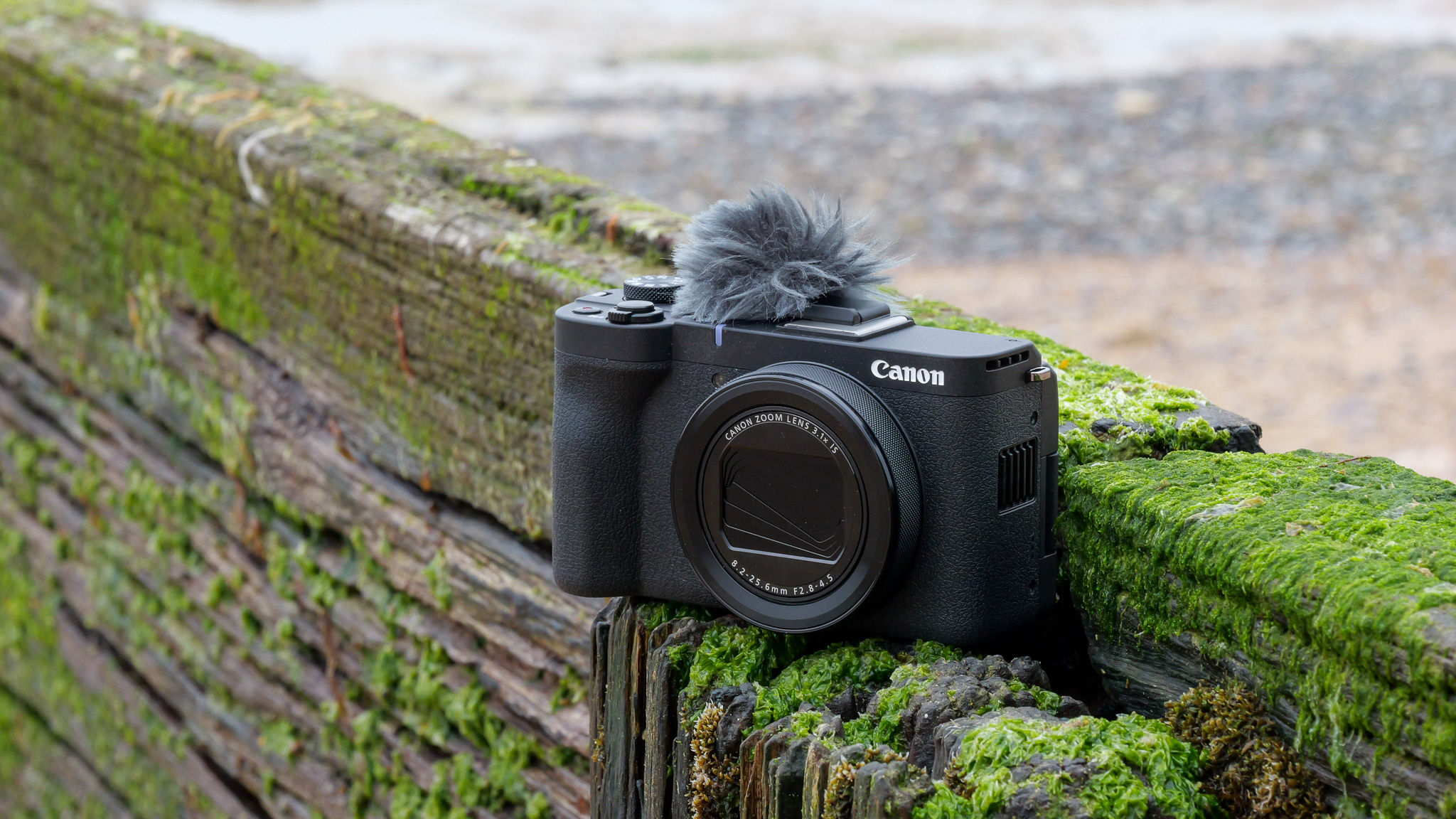
4. Canon PowerShot V3
Likelihood rating: 3/5
Excitement rating: 4/5
The canon PowerShot V1 during our in-depth review. (Image credit: Future | Sam Kieldsen)
Canon was one of few leading brands to launch a genuinely new and exciting compact camera last year – the excellent PowerShot V1. The vlogging camera featured a new 1.4-inch sensor and Canon's best autofocus performance in a PowerShot to date, plus video-friendly features such as a built-in ND filter.
So what's next from Canon in this space? According to repeated albeit soft rumors throughout 2025, including after the launch of the V1, it could be a high-quality travel zoom compact with the same 1.4-inch sensor, called the PowerShot V3.
The camera's rumored specs read like a wishlist for point-and-shoot camera fans, with that 1.4-inch sensor, a 20x optical zoom and improved EVF, and they might just be that – wishful thinking. However, the space has proven popular yet unserved in 2025 with new models, that it's about time leading brands stepped up and delivered.
At this level, Sony has diverted its attention to the vlogging camera space, while Panasonic is pretty much inactive besides occasionally rehashing an old model, as it did with the Lumix ZS99 / TZ99; so what say you Canon? Will you deliver a stunning point-and-shoot more aimed for photographers this year? If anyone can, it's you.
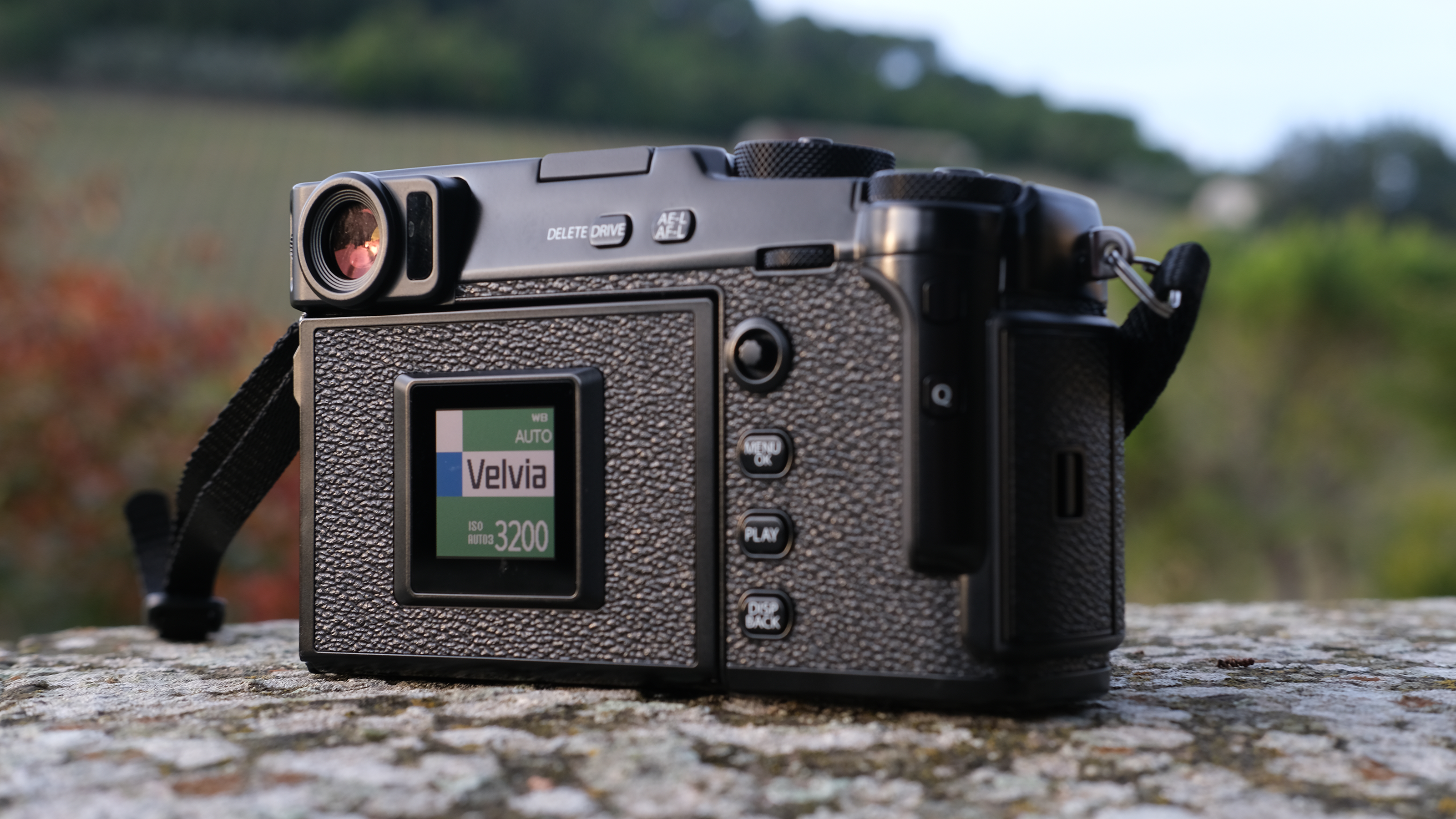
3. Fujifilm X-Pro 4
Likelihood rating: 3/5
Excitement rating: 4/5
(Image credit: Future)
We've been hearing rumblings about a Fujifilm X-Pro 4 for over two years now, and with no sign of the premium APS-C rangefinder in 2025, a 2026 release seems plausible. The X-Pro 3 was released way back in late 2019, so it's high time Fujifilm got round to rolling out a proper replacement. While we adored the recently arrived Fujifilm X-E5, it's an entry-level rangefinder, rather than the premium camera we believe the next X-Pro will be.
According to PetaPixel, which interviewed Fujifilm imaging executive Yuji Igarashi in March 2025, the reason we haven't already seen an X-Pro 4 is that Fujifilm wants this camera to be more than just another iterative release. Igarashi confirmed that a new X-Pro camera will be introduced one day, but said it would need to be "something which would satisfy the expert users". Whether that means it's coming with some game-changing new feature, or simply promising top-line performance, we don't know.
The X100VI and X-E5 have already introduced 40MP sensors, the X-Processor 5 and in-body stabilization to Fujifilm's lineup, so the X-Pro 4 will need to go further if it wants to truly impress – and that means we may not see one for quite some time yet. As Igarashi himself told PetaPixel, "We probably made it difficult for ourselves, because we perhaps made the X-Pro [range] too special."
Expectations and excitement are high for this potential 2026 release, but we know next to nothing about what shape the X-Pro 4 might take, or when it might arrive. It might not be the only new X-series camera arriving in 2026 either – rumors abound that an X-T6, a follow-up to the wonderful Fujifilm X-T5, is also in the works.
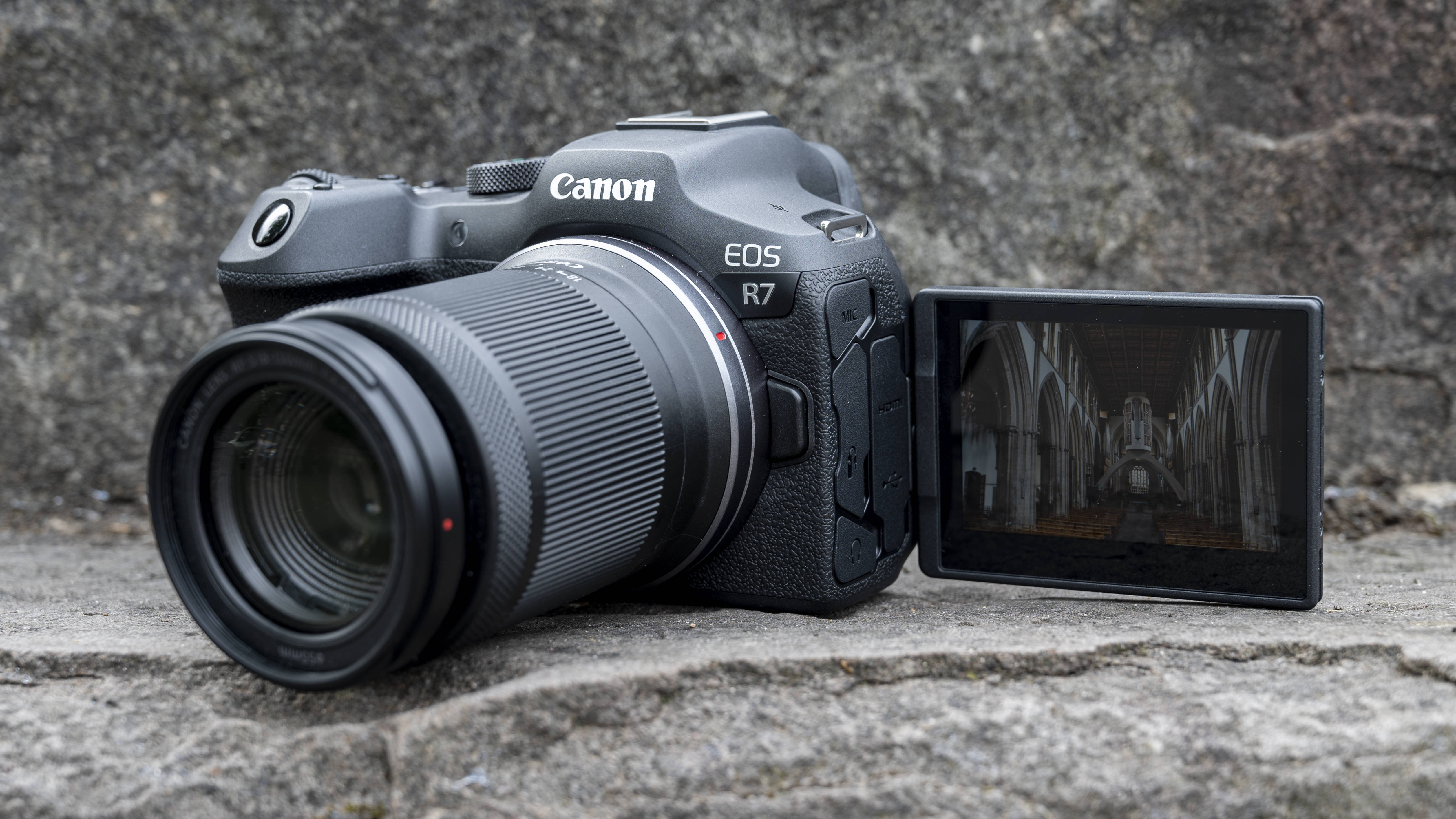
2. Canon EOS R7 Mark II
Likelihood rating: 4/5
Excitement rating: 5/5
Canon's flagship APS-C mirrorless camera, the EOS R7, is rumored to get a successor in 2026 (Image credit: Future)
Of all Canon's current mirrorless camera lineup, it's probably its flagship APS-C model that's most due an update. The EOS R7 was launched back in 2022, and a potential successor has been one of the most rumored cameras over the last 12 months. Could 2026 finally be the year?
Should the EOS R7 Mark II land, it will likely be among the most powerful crop-sensor cameras ever made, especially for photographers. Rumors suggest it'll be like a crop-sensor alternative to the full-frame EOS R5 Mark II, with a likewise faster stacked sensor and potentially 32MP stills as before, or a higher-resolution 40MP to rival Fujifilm.
There could be the same processor and DIGIC accelerator as in the EOS R5 Mark II and EOS R1, 40fps burst shooting with pre-capture, plus clever in-camera upscaling. There are also suggestions that its chassis could be inherited from the EOS R5 Mark II. Put simply, the EOS R7 Mark II would put other high-speed APS-C cameras in the shade, and would be an excellent sports and wildlife photography camera, assuming Canon delivers some high-end RF-S glass to capitalize on its potential.
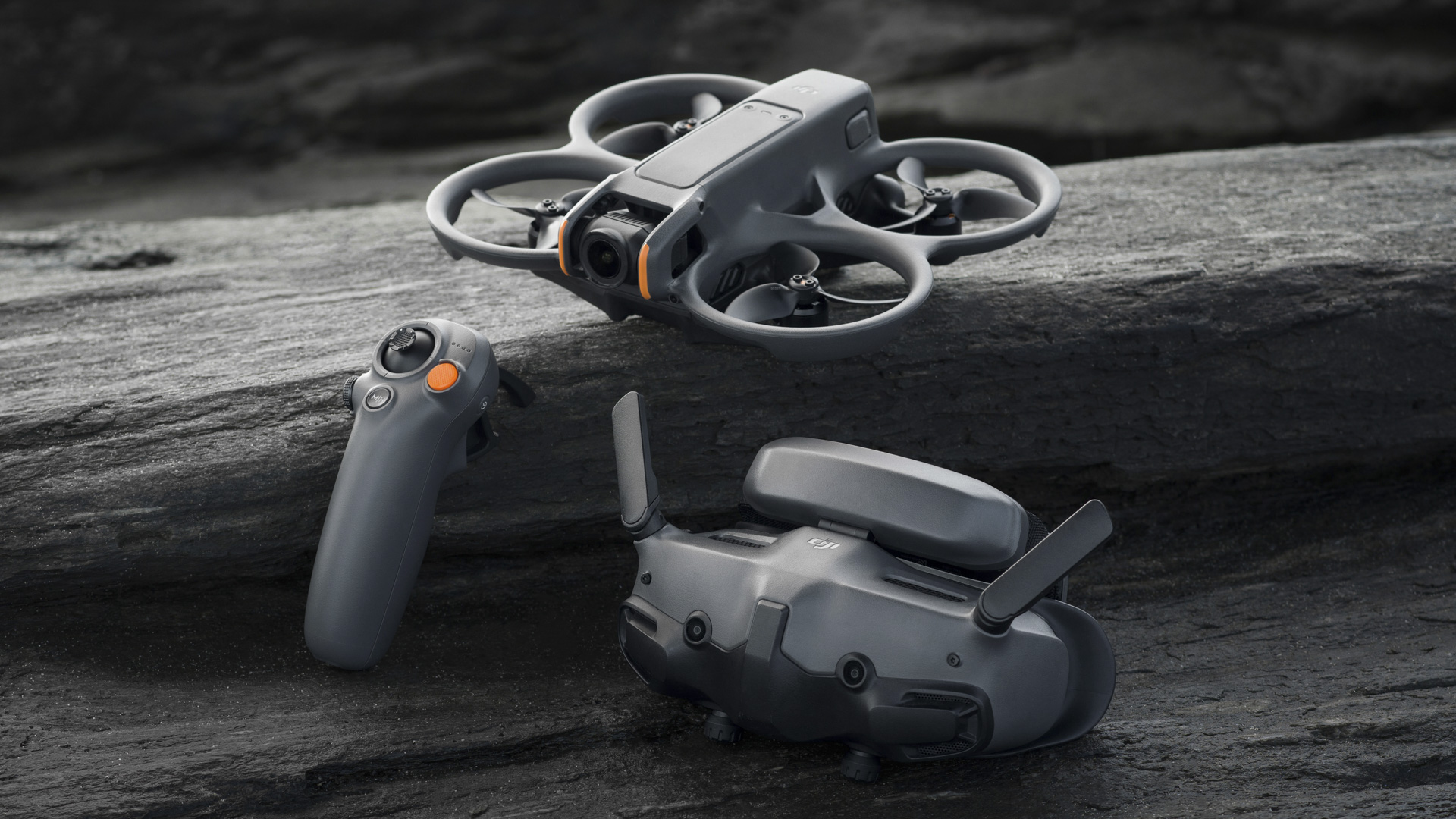
1. DJI Avata 360
Likelihood rating: 5/5
Excitement rating: 5/5
(Image credit: DJI)
The world's first 360 camera drone, the Antigravity A1, arrived just before the end of 2025 – but it won't be operating in a category of one for long. Despite the now-in-effect US ban on its products, drone market leader DJI is rumored to be preparing its own 360 drone, reportedly named the DJI Avata 360. Like the A1, this apparently comes bundled with a set of FPV goggles for immersive flight control, and will reportedly use dual 1/1.1-inch sensors to capture full 360-degree 8K video of everything around it. Users will then be able to reframe shots in using DJI's mobile or desktop apps.
The Avata 360 sounds, essentially, like a flying DJI Osmo 360, which is no bad thing – the Osmo 360 is a superb alternative to the Insta360 X5, despite being DJI's first effort in the 360 market.
Much will depend on how the Avata 360 differs from the Antigravity A1, which impressed in many ways but comes with a very steep asking price. There's a suggestion that its camera unit will be able to rotate 90 degrees to switch between 360 capture (with up-facing and down-facing cameras), to a single-lens FPV mode (with the camera facing forward) – that sounds truly smart. If DJI can undercut its rival on cost, while delivering a similar experience, it could become the go-to 360 drone maker – outside of the US, at least.
And of course you can alsofollow TechRadar on TikTokfor news, reviews, unboxings in video form, and get regular updates from us onWhatsApptoo.
Tim is the Cameras editor at TechRadar. He has enjoyed more than 15 years in the photo video industry with most of those in the world of tech journalism. During his time as Deputy Technical Editor with Amateur Photographer, as a freelancer and consequently editor at Tech Radar, Tim has developed a deeply technical knowledge and practical experience with cameras, educating others through news, reviews and features. He’s also worked in video production for Studio 44 with clients including Canon, and volunteers his spare time to consult a non-profit, diverse stories team based in Nairobi. Tim is curious, a keen creative, avid footballer and runner, and moderate flat white drinker who has lived in Kenya and believes we have much to enjoy and learn from each other.
You must confirm your public display name before commenting
Please logout and then login again, you will then be prompted to enter your display name.