The $31 billion a year threat to the Australian dream: Climate change
Forget the termites and plumbing problems. The biggest threat to our homes will be climate change - and the calls for action to protect them have started.
Australia must enter a desalination plant building boom to offset the impact of growing water demand and take urgent action to avoid climate change-related damage to homes that could cost the economy more than $700 billion by the end of the century.
New Productivity Commission research warns state and federal governments to start spending billions of dollars as soon as possible to protect the nation’s housing stock from these threats or face a $31 billion annual damage bill.
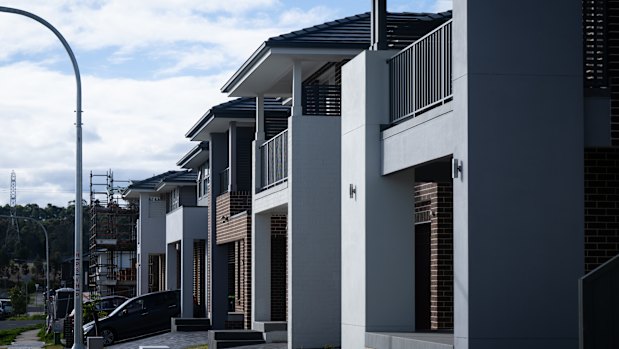
Australian houses will face greater threats from climate change that will require changes to planning and construction, the Productivity Commission has warned.Credit: Louie Douvis
The commission has used a series of reports to look at policies that would increase the speed at which the economy could grow without adding to inflationary pressures.
In its report on moving to a net zero economy, the commission also conducted modelling into the impact of climate change on the nation’s housing stock.
It found action in the near term such as requiring homes be at least half a metre above ground in flood-prone areas and preventing ember attacks could save taxpayers and residents hundreds of billions of dollars.
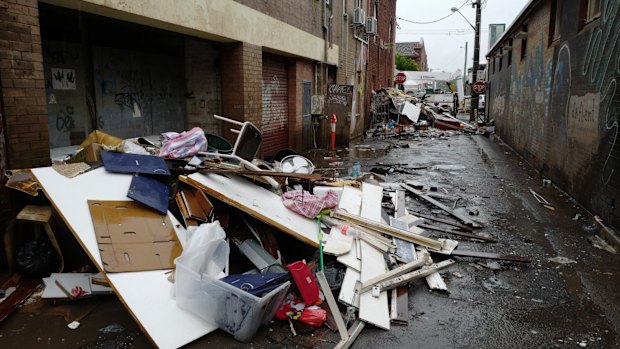
The single largest threat the commission found was riverine flooding which, in today’s dollars, it estimated could cost $241 billion in damage by the end of the decade. Surface-water flooding – water overwhelming drainage systems – could cost another $164 billion.
Loading
Tropical cyclones ($74 billion), fires ($70 billion) and extreme wind ($100 billion) all pose growing risks to the nation’s homes.
According to the commission, as more homes are built to accommodate the nation’s growing population, the risk to those and existing properties will grow due to the impact of climate change on the natural environment.
“Without targeted action, many existing dwellings will remain exposed to increasing climate risks for decades to come,” it warned.
“Population growth and housing stock turnover are key drivers of future exposure. Continuing to build housing in high-risk areas will increase exposure and asset losses.”
The commission estimates that by the end of the century, the annual damage caused to homes by climate change will be $31 billion or 1 per cent of GDP in today’s dollars. Cumulatively, the cost between 2025 and 2100 will be at least $744 billion.