The data doesn’t lie: it’s getting hotter and fossil fuels are fanning the flames
The big question for me is how do I keep my kids safe? The good news is that we are not powerless.
Opinion
By Amanda McKenzie
January 11, 2026 — 1.30pm
I’m writing this as the CEO of the Climate Council, and also as a mum of two young children. Every time the temperature is forecast to soar into the high 30s and even 40s, the same question hits: how do I keep my kids safe? Not just comfortable. Safe.
What’s often missed in the national conversation is that extreme heat is already one of Australia’s deadliest hazards. Between 2001-18, nearly 500 heat-related deaths were reported to coroners in Australia. More recently, a study estimated 1009 Australians died due to heatwaves between 2016 and 2019, with Queensland and NSW recording the highest death tolls.
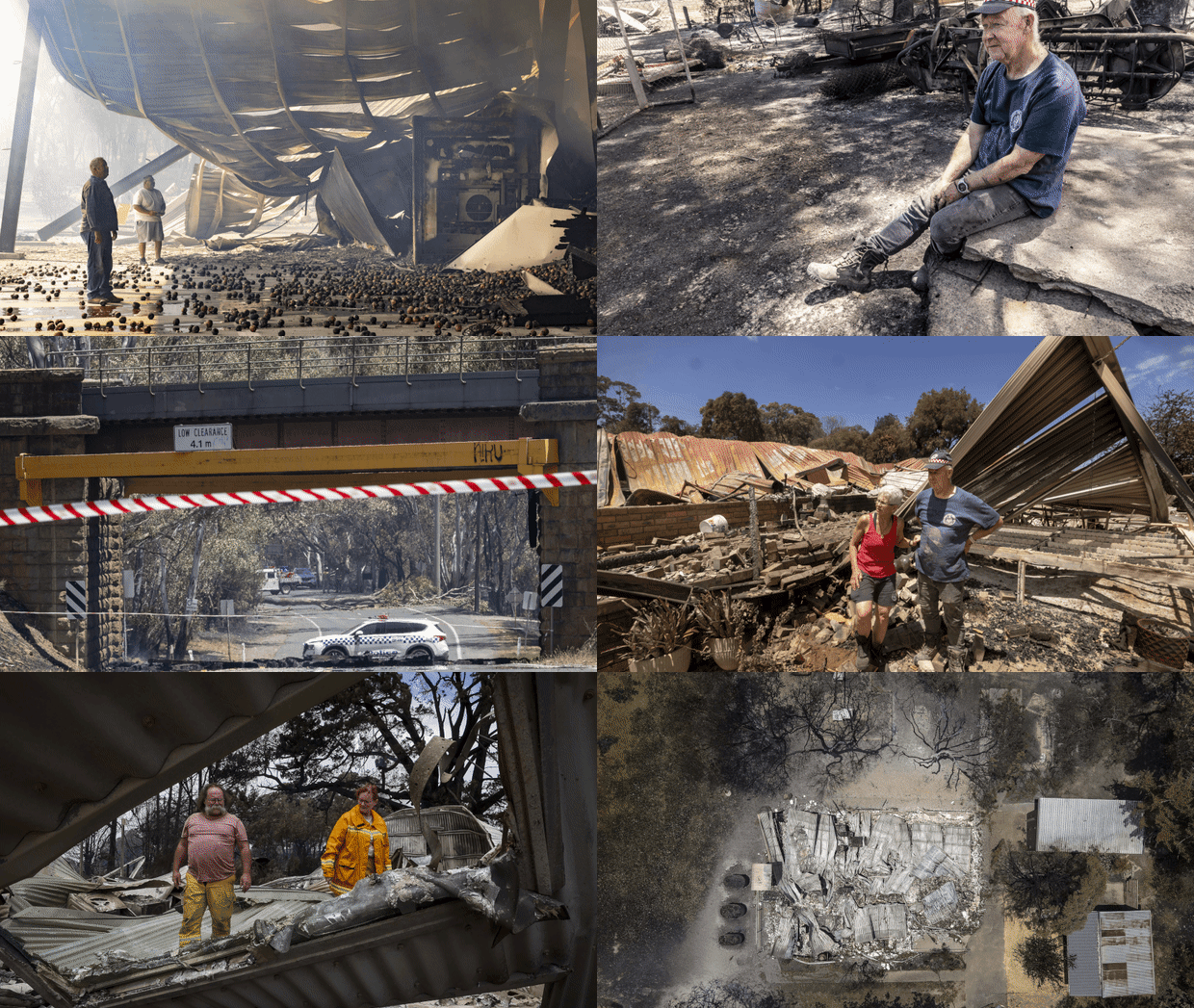
The devastating fires in Victoria on the weekend.Credit: The Age
In recent days, fires have left scenes of devastation across Victoria, with the loss of homes mounting. Meanwhile, large swaths of the country have experienced severe to extreme heat, from Western Australia across South Australia, NSW and Tasmania. Daytime temperatures pushed into the mid to high 40s, with overnight minimums in the mid-20s, offering little relief after dark. Some communities recorded temperatures at least 8C to 16C above average. When nights stay hot, bodies can’t recover, and that’s when the health impacts become most serious.
Extreme heat isn’t just “a hot day”. It isn’t the summer weather Australians grew up expecting. It is a dangerous, escalating threat, supercharged by the continued burning of fossil fuels. Extreme heat also hits the hip pocket. Families pay through higher power bills and rising insurance premiums.
The good news is that Australia is already changing how we power our lives. Renewables are rising, batteries are scaling up and households are electrifying, but we have to move faster and stop making the problem worse.
Loading
Heat doesn’t always leave a dramatic scar on the landscape. It doesn’t always make the nightly news in the same way a cyclone or a catastrophic bushfire does. But it is relentless. It overwhelms the body, especially for babies and young children, older Australians, outdoor workers, people with disability, and anyone without access to cool, safe housing. It can also put healthy people at risk, particularly anyone working or exercising outdoors.