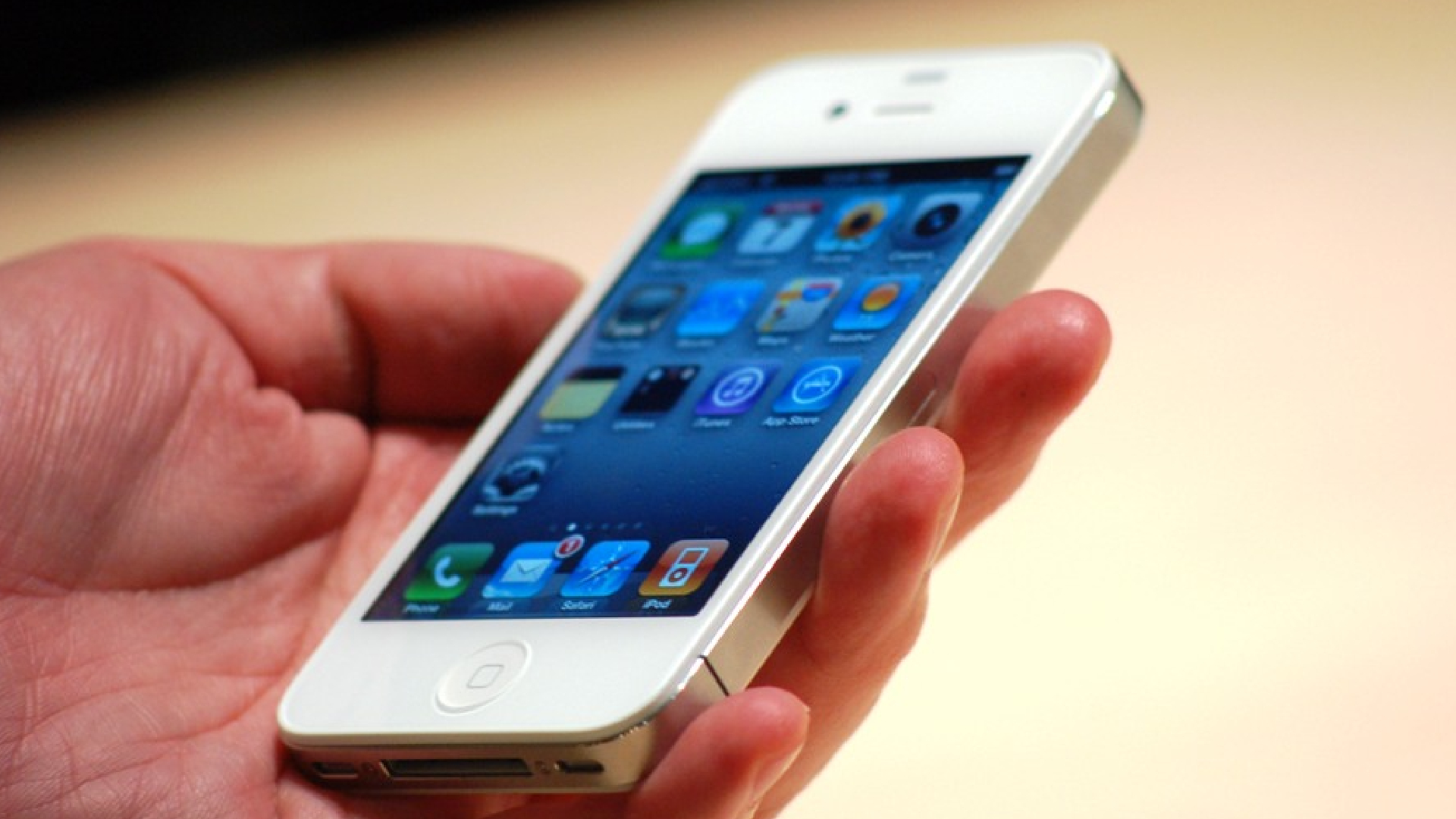
The iPhone 4 is the classic camera phone that retro lovers can't get enough of — but don't skip these essential security tips
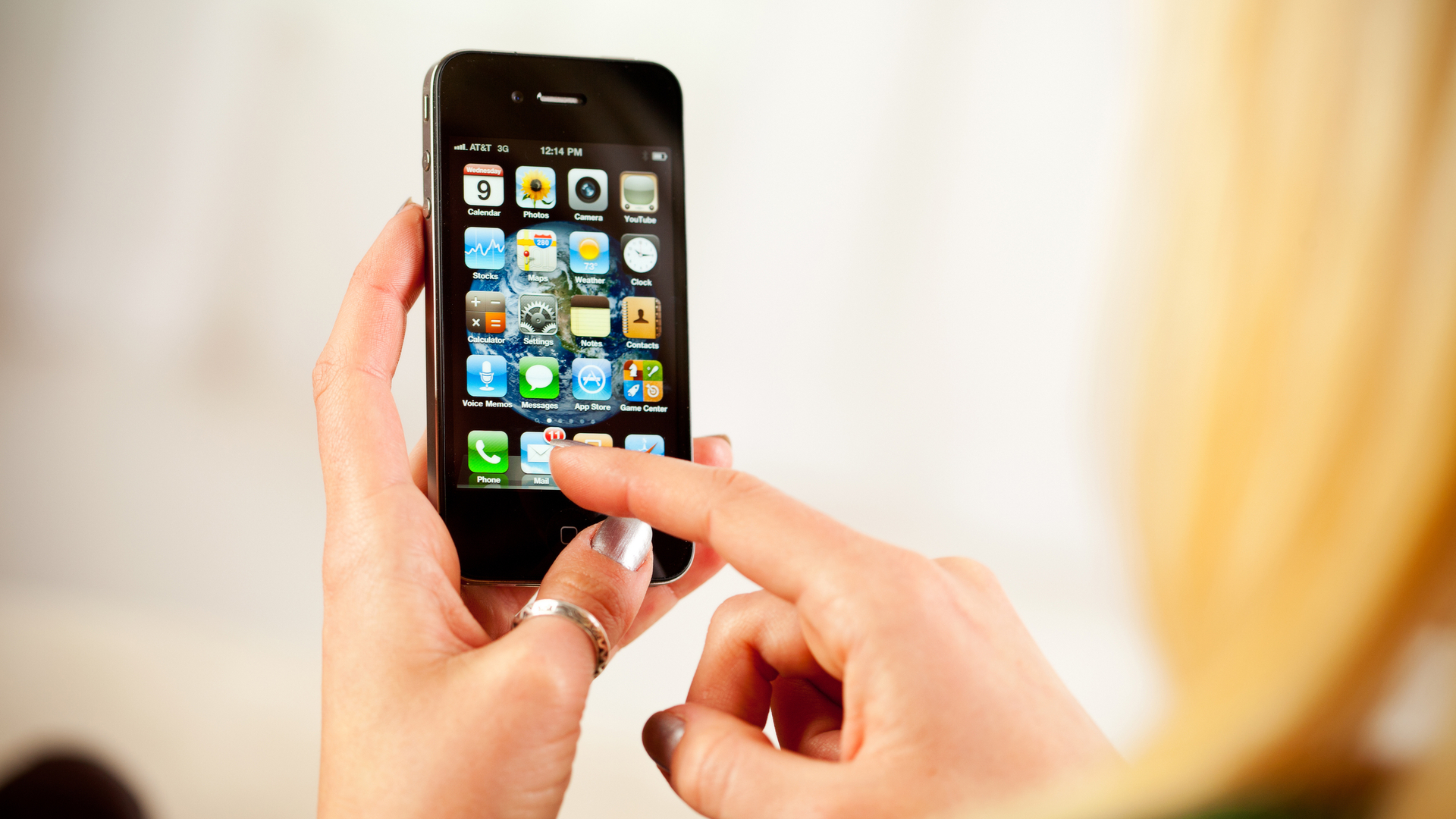
Demand for the iPhone 4 is up almost 1,000%, but using such an old handset comes with a few cyber security caveats
(Image credit: Shutterstock - Sean Locke Photography)
In 2025, Apple released its most advanced iPhone lineup of all time. From the great-value iPhone 17, to the sleek iPhone Air, to the super-powered iPhone 17 Pro and iPhone 17 Pro Max, these are some of the best iPhones ever made and, in the case of the Pro models, some of the most advanced handsets ever released to market.
Apple’s current smartphone offering is the best it’s ever been, but in a world where Y2K fashion dominates the racks, vinyl fills record stores, and the Nintendo DSi has found a second life as a concert camera, it’s not that surprising that retro-obsessed tech fans have driven a huge increase in demand for the nearly 16-year-old iPhone 4 over the past 12 months.
And being a proud member of Gen-Z myself, I can tell you that I’ve come across one or two 'zoomers' who've picked up an old iPhone to use as a digital camera, whether for their own personal use or to market projects and events on social media.
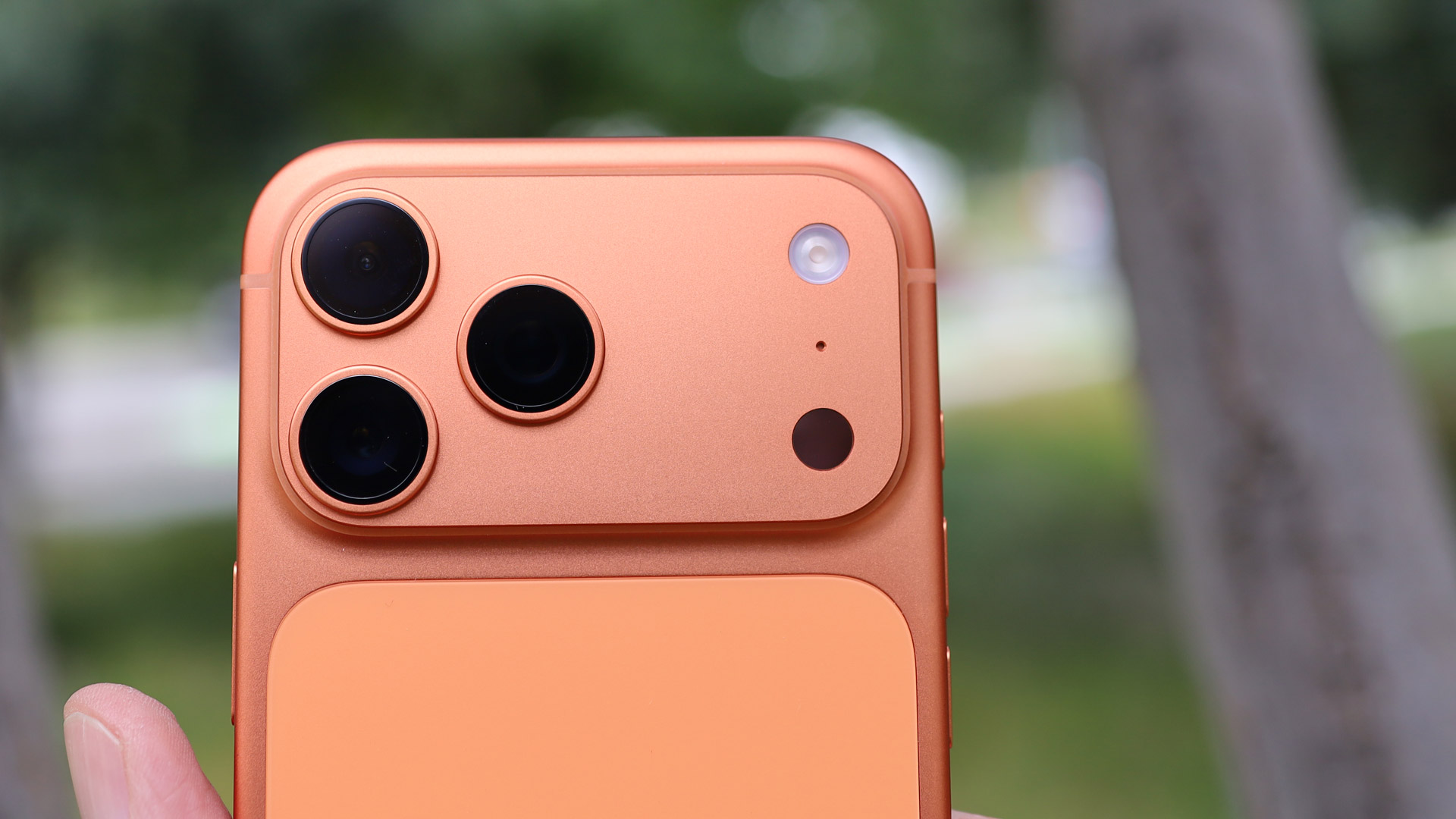
The iPhone 17 Pro has an ultra-advanced camera system, but retro-obsessed users are chasing much older models (Image credit: Lance Ulanoff / Future)
As you might expect, the iPhone 4’s camera can’t hold a candle to the current iPhone’s photography system when it comes to the spec sheet or objective test scenarios. The iPhone 4 sports a single 5MP camera with up to 5x digital zoom and the ability to shoot 720p video. The iPhone 17 Pro sports three 48MP cameras (wide, ultra-wide, and 4x zoom), up to 40x digital zoom, and 4K video recording.
Sign up for breaking news, reviews, opinion, top tech deals, and more.
But fans of the iPhone 4, and other classic iPhones, aren’t seeking quality – rather, it’s the grainy and relatively unprocessed look of old iPhone photos that make them so desirable as digital cameras, especially by those who feel modern iPhones produce overprocessed or ‘unrealistic’ images.
However, the iPhone 4 hasn’t been supported in any way, shape, or form since Apple made it “obsolete” in 2016 – and its last security update was even earlier, back in 2014. In fact, only the iPhone 11 and newer currently receive full software updates from Apple, with limited security patches for the , , and . Phones older than this should be considered vulnerable to hacks, malware, and other exploits.