The technology that finally gave robot lawn mowers their autonomy
When a robot mower understands the lawn, everything else gets easier.
Mova
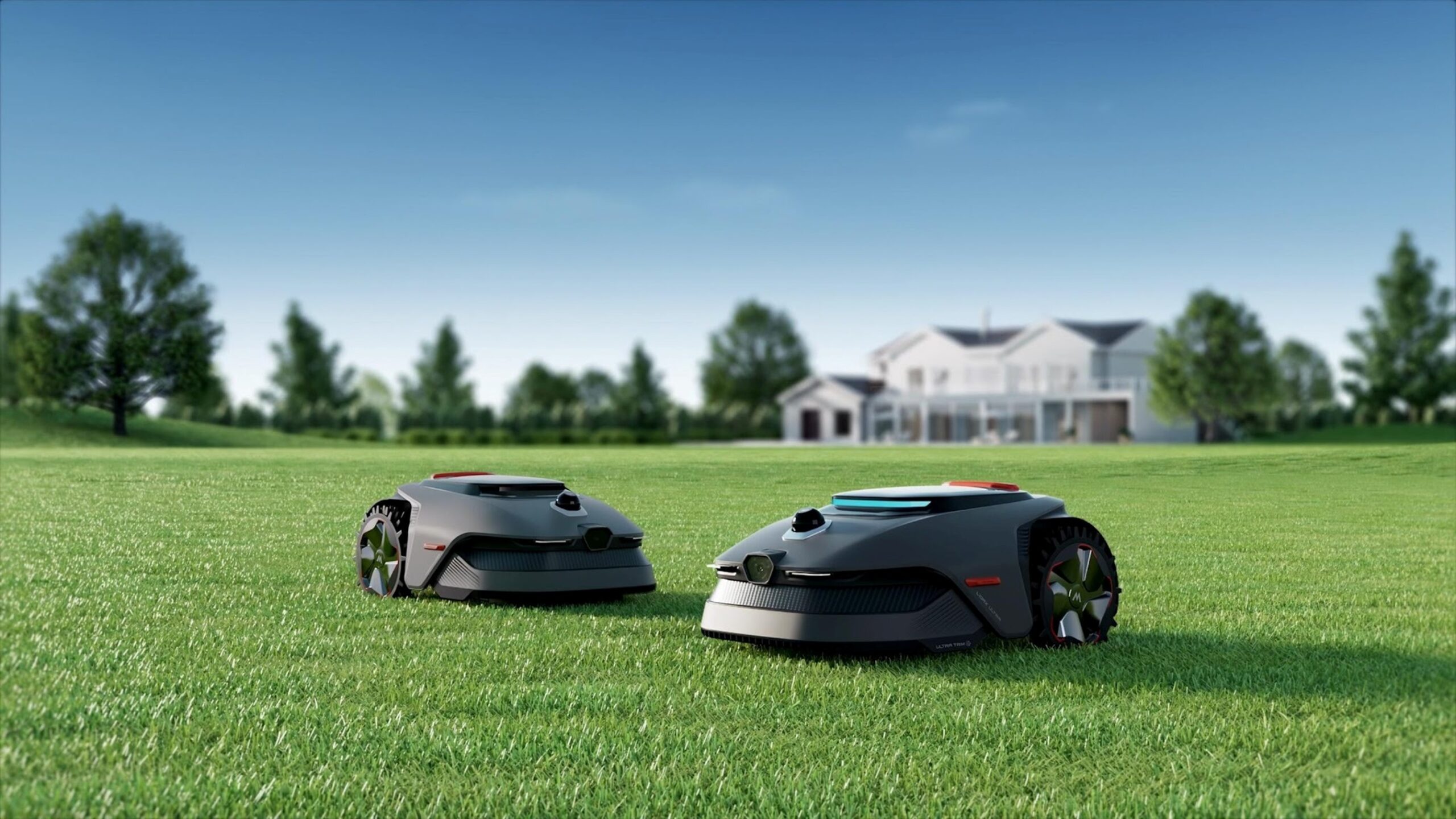
The promise of a robotic lawn mower has always been an appealing one. Set it loose in the garden to get on with the job, and reclaim a chunk of your weekend in the process. That idea has been around for years on paper, but the reality is that it has taken much longer for robot mowers to live up to that hands-off ideal.
The problem hasn’t been power or even cutting ability. Modern robotic mowers are more than capable of trimming grass cleanly and consistently. Where things have historically fallen apart is navigation. A mower that can’t reliably understand where it is or where to go will always need more babysitting than most people expect from an “autonomous” machine.
The art of navigation
Mova
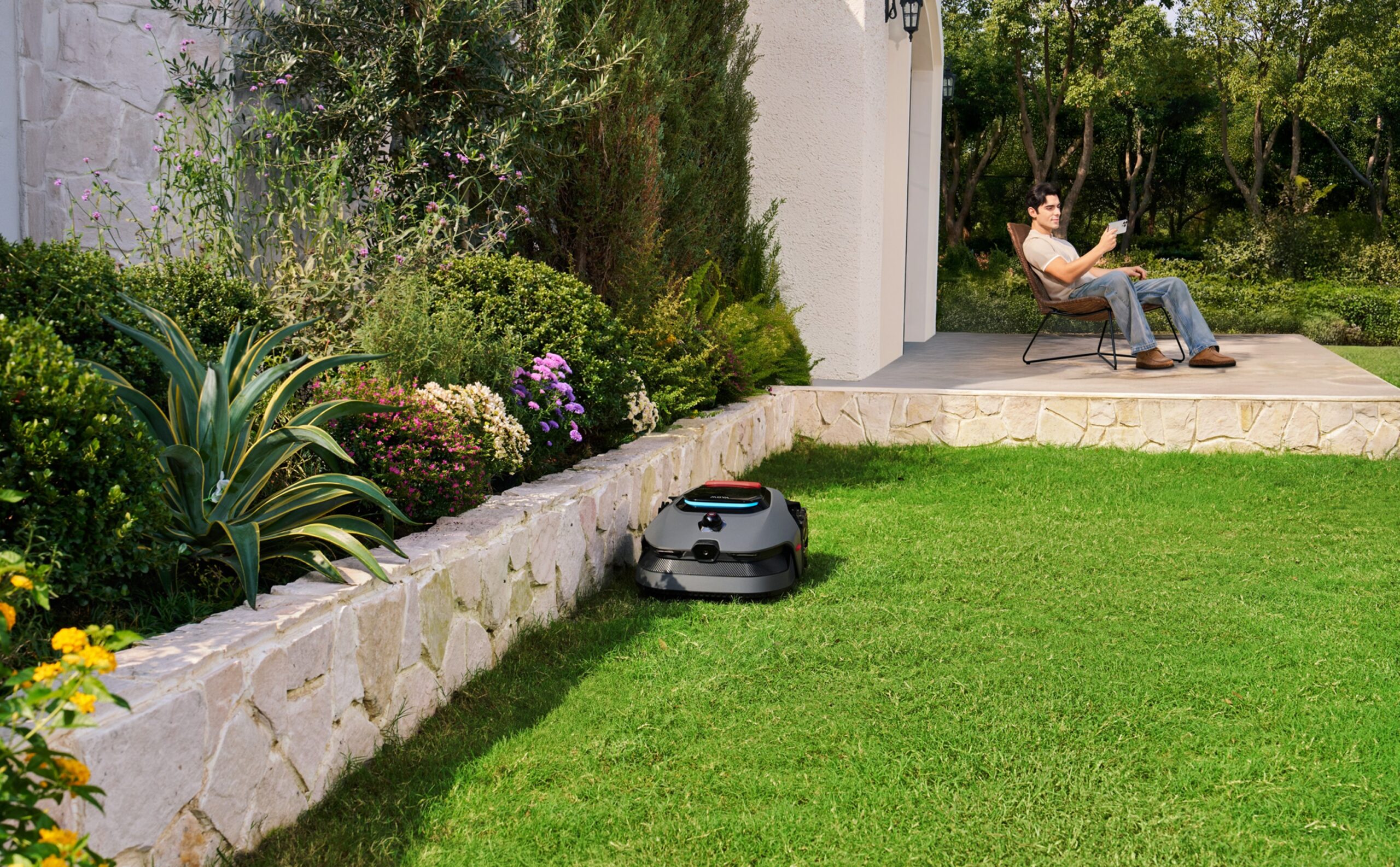
To understand why navigation matters so much in robotic mowing, it helps to look at how these machines have traditionally found their way around a garden — and why each approach had its limits.
The earliest robotic lawn mowers relied on physical boundary wires. These wires were buried around the edge of the lawn and acted as a strict border that the mower wouldn’t cross. As long as the wiring was done correctly, the system was reliable. However, installing boundary wires is a manual, time-consuming task that can take several hours and often requires professional assistance. Once the wires are in place, they also lock the mower into a fixed understanding of the garden.
Each previous approach had clear limits.
More recent robotic mowers moved away from physical wires and adopted RTK, or Real-Time Kinematic positioning. RTK uses satellite signals, corrected by a fixed base station, to locate the mower with high accuracy. This removed the need to bury wires in the ground, but it came with its own compromises. The base station and signal beacons still need careful placement, and the mower’s performance depends heavily on consistent satellite reception. Gardens aren’t always ideal environments for that. Trees, walls, narrow passages, and even shifting shadows throughout the day can interfere with signal quality.
Both methods rely on external guidance, whether that is a wire in the ground or a satellite reference point. LiDAR takes a different approach altogether.
LiDAR changes the game
Edgar Cervantes / Android Authority
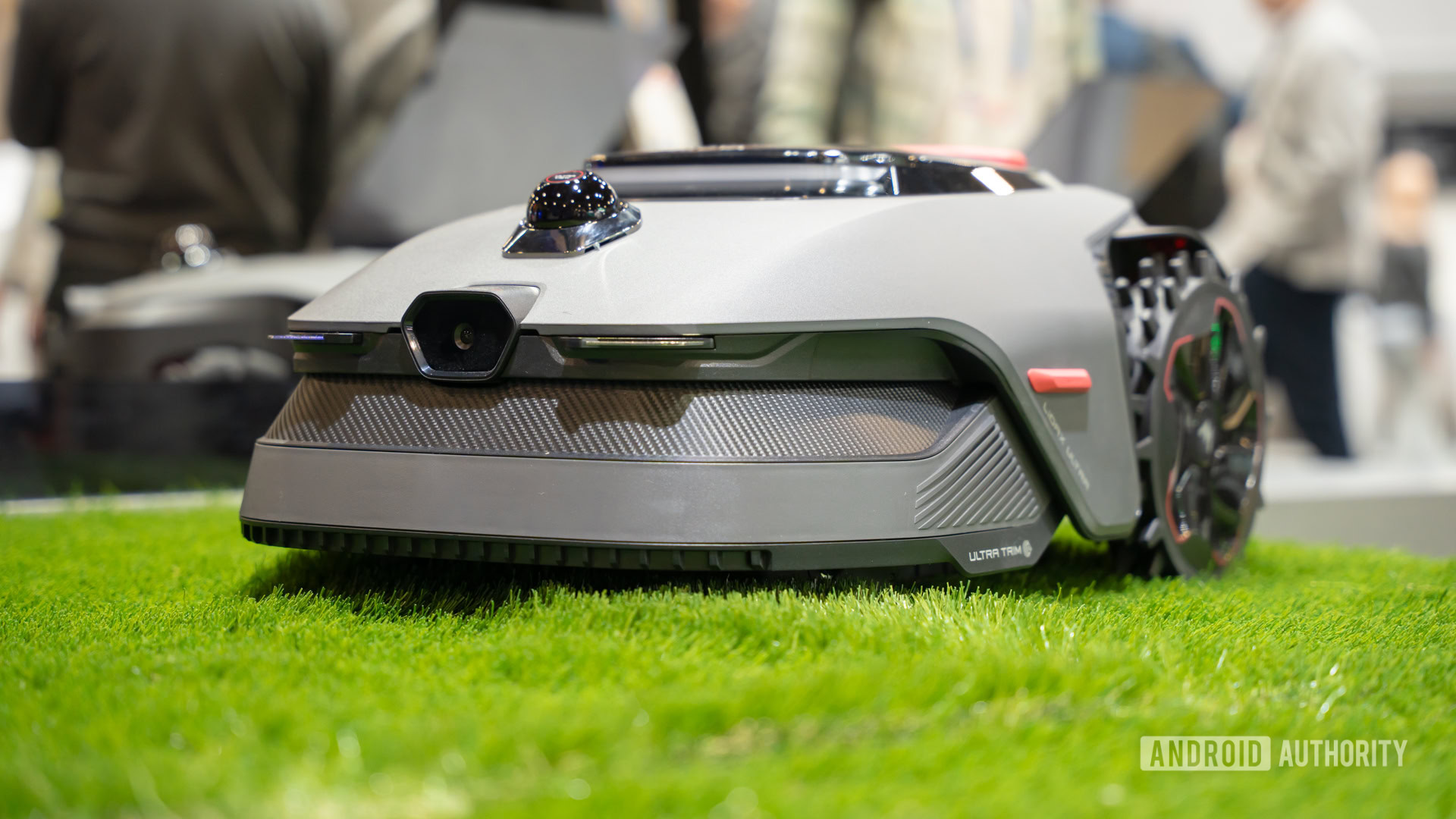
Instead of relying on predefined boundaries or radio signals, LiDAR allows the mower to actively observe the space around it. The system sends out laser beams and measures how long they take to bounce back after hitting objects nearby. By doing this constantly in all directions, the mower can measure distances with high accuracy and build a live picture of its surroundings.
As the mower moves, those distance measurements are combined to form a detailed map of the lawn. And because the system is measuring physical space directly, it doesn’t depend on satellite signals or fixed guides to work properly.
This is what marks the real shift in robotic mower navigation.
This is what marks the real shift in robotic mower navigation. Instead of being told where it can and can’t go, the mower begins to understand the shape of the lawn for itself. It can see where boundaries naturally exist, recognize objects in its path, and keep track of where it has already been.
Just as importantly, that understanding isn’t frozen in time. Because LiDAR is constantly scanning the environment, the mower’s map can stay up to date as conditions change. If you move a piece of furniture or add a new feature, the system can adapt.
This move from guidance to perception is what makes LiDAR fundamentally different from earlier navigation systems. It’s also what opens the door to more flexible setups, more reliable operation in complex gardens, and a level of autonomy that boundary wires and signal-based systems have always struggled to deliver.
Mova mowers take LiDAR to the next level
Mova
Once you realize that navigation is the defining challenge for robotic lawn mowers, the next question isn’t whether to use LiDAR, but how far to take it. Not all LiDAR-based systems are built with the same priorities, and the differences in implementation can have a real impact on how a mower behaves day to day.

Mova
This is where the thinking behind the new Mova LiDAX Ultra Series becomes clear. Rather than treating LiDAR as just another sensor, Mova has built the mower around it. The LiDAX Ultra Series uses LiDAR as the primary way the mower understands its environment, with other sensors supporting that core view. This approach led to Frost & Sullivan’s endorsement of Mova as the globally No. 1 brand in LiDAR robotic lawn mowers.
The size of your lawn determines which Mova LiDAX Ultra Series model best suits your needs. The entry-level LiDAX Ultra 1000 efficiently covers areas up to 0.25 acre, while the premium LiDAX Ultra 2000 extends the capability to 0.5 acre for more expansive lawns, and is equipped with a 4G module and one year free data plan.
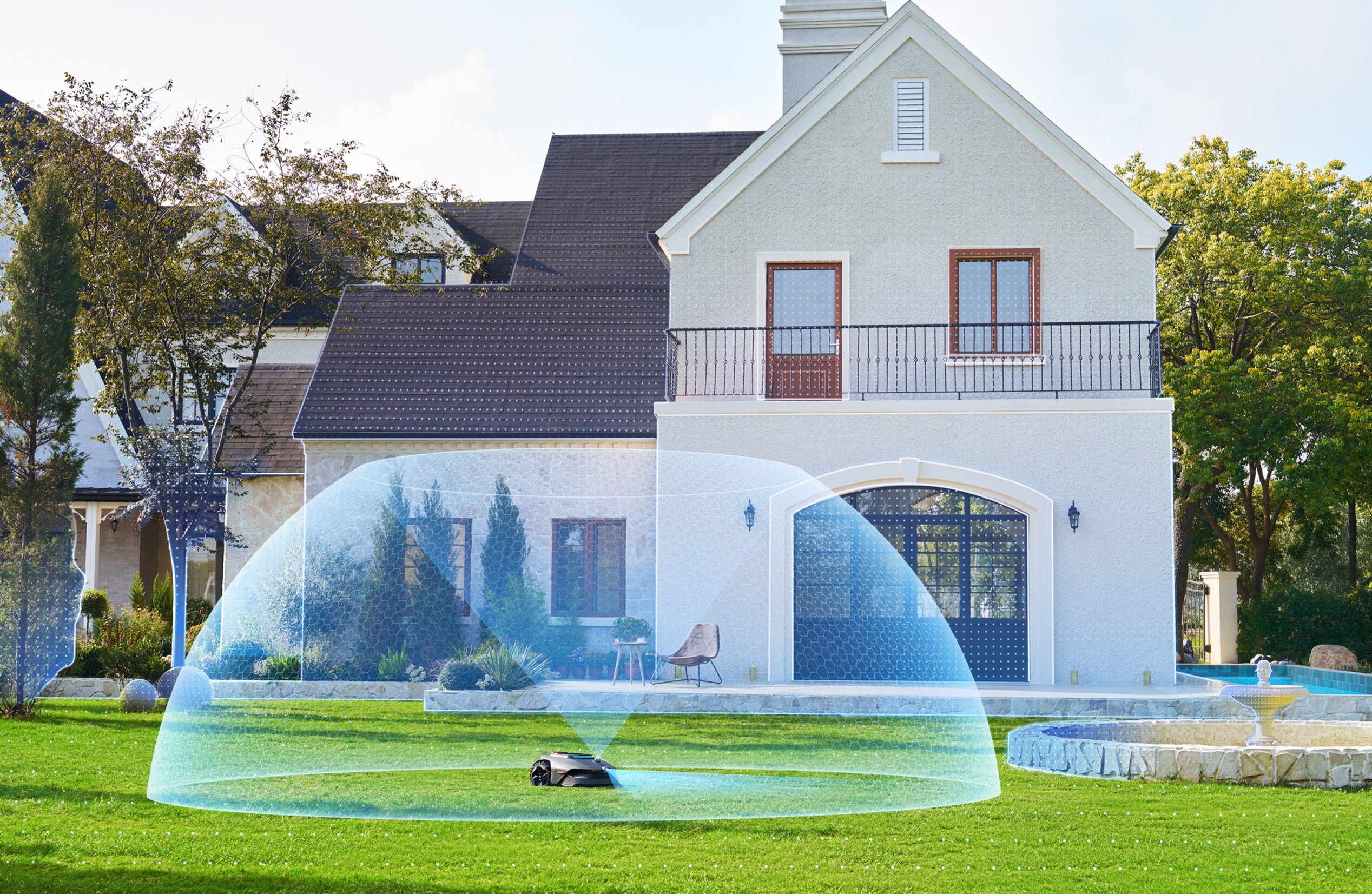
At the heart of the system is a 360° 3D LiDAR setup, paired with an AI-enhanced camera. This has some key differences to the other LiDAR-enabled mowers. The laser hitting an object will produce reflected points, which combine to form a 3D point cloud image. The robot calculates the positions of these points to determine its current relative position. MOVA’s 3D LiDAR emits multiple laser beams at different angles simultaneously, and each laser beam performs a real-time 360 degree rotation scan of the environment on its own plane, instantly forming a highly precise point cloud image.
It can build a more complete picture of the lawn from the outset.
That full-circle coverage is a deliberate choice. Some LiDAR-based mowers rely on a narrower field of view, typically scanning only what’s directly ahead of the machine. While that can work in open, uncomplicated spaces, it introduces blind spots. Objects approaching from the side or rear are detected later, and the mower has less context when deciding how to move through the lawn.
By contrast, a 360° approach gives the mower a continuous, spherical view of its surroundings, maintaining awareness of the entire space it’s operating in. That broader perspective allows for faster and more confident mapping, because the mower doesn’t need to make repeated passes to fill in missing information. It can build a more complete picture of the lawn from the outset.
This more comprehensive view lets Mova’s LiDAR system surpass others on the market. With wider coverage and higher spatial awareness, the mower can make better decisions about path planning, obstacle avoidance, and edge handling.
More awareness means fewer compromises
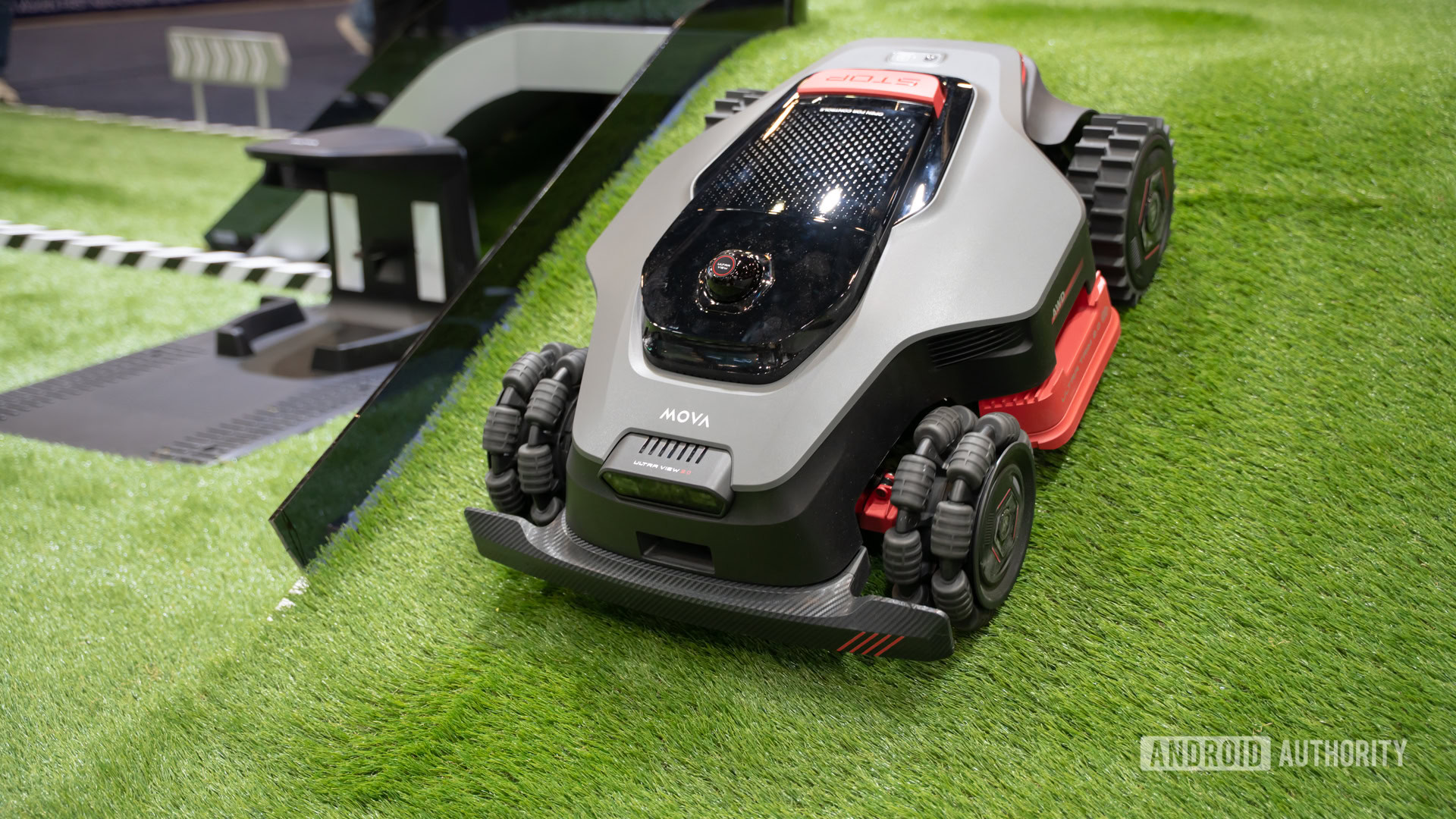
Edgar Cervantes / Android Authority
When a robotic mower has a more complete understanding of the lawn it’s working in, the benefits show up everywhere.
The most immediate difference is during setup. Traditional robotic mowers often turn installation into a project, whether that means burying boundary wires or carefully positioning hardware for signal-based navigation. With the LiDAX Ultra Series, setup is much simpler. Once the charging station is in place, the mower can explore the lawn and map it on its own, using its 360° LiDAR view to understand the shape and limits of the space.
That mapping process is also more efficient. Because the mower can see in all directions at once, it can build a detailed map more quickly, without needing repeated passes to compensate for blind spots. The result is a map that’s both accurate and ready to use almost immediately.
Crucially, that map isn’t treated as a fixed blueprint. With continuous environmental scanning, the LiDAX Ultra Series is designed to adapt as it works. This broader awareness becomes especially valuable in gardens that aren’t simple rectangles. Narrow side yards, connecting paths, and awkward transitions between front and back lawns are all common sources of frustration for robotic mowers. With a fuller view of its surroundings, the LiDAX Ultra Series is built to navigate paths as narrow as 23.6 inches, maintaining steady movement instead of relying on cautious trial and error.
It knows where it has already been and where it still needs to go, reducing overlap and missed patches.
Terrain presents another set of compromises for many robotic mowers. Slopes, uneven ground, and small obstacles can be challenging, but a mower that understands the shape of the ground beneath it can move more confidently and smoothly. This awareness supports operation on slopes of up to 45% and allows the mower to cross small obstacles directly, rather than repeatedly backing off or rerouting.
The 3D nature of the LiDAR has another significant benefit: the Mova LiDAX Ultra Series can operate at night. Other mowers usually can’t work in the dark due to restricted vision.
Perception also plays a major role in efficiency. Earlier robotic mowers often relied on random or semi-random movement patterns, which eventually covered the lawn but wasted time and power along the way. With a continuously updated map, the LiDAX Ultra Series can follow more structured mowing paths. It knows where it has already been and where it still needs to go, reducing overlap and missed patches. That leads to shorter mowing sessions and more consistent results.
Battery management benefits from the same awareness. When the mower needs to recharge, it can return to the charging station without confusion and resume work from the correct point afterward. There’s no need to start over or rebuild its understanding of the lawn.
For households with more complex outdoor spaces, this level of perception enables features that are difficult to implement reliably on simpler systems. The LiDAX Ultra Series can manage multiple zones within a single lawn, each with its own mowing height, direction, or schedule. It also supports two completely separate maps, making it possible to handle disconnected front and back gardens.
Trusting a robot to work in your outdoor space
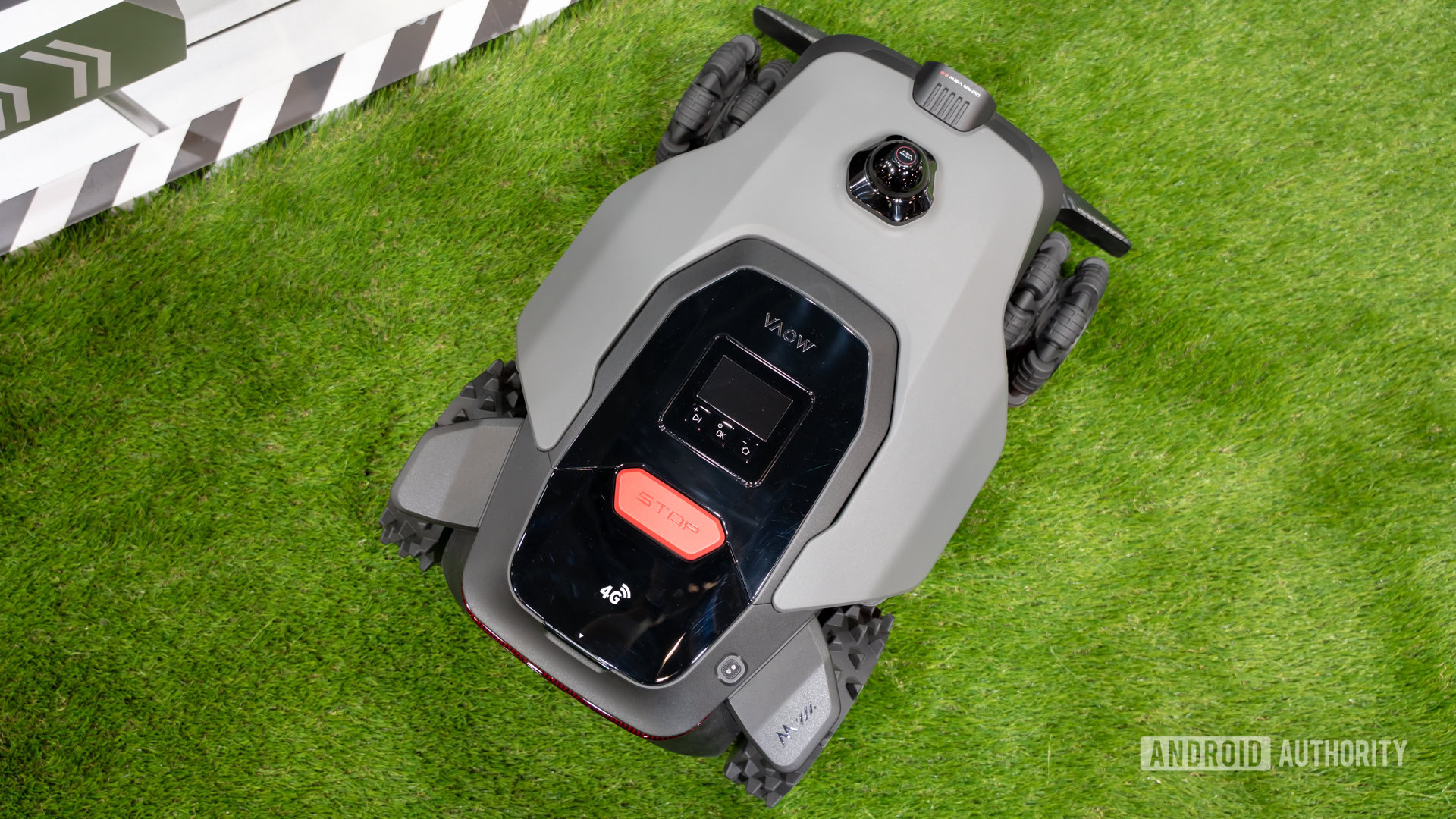
Edgar Cervantes / Android Authority
It sounds odd to admit, but handing over lawn care to a robot involved a certain level of trust. A garden is a shared space, often used by pets, wildlife, children, and visitors, and any machine operating there needs to behave predictably and cautiously.
This is another area where broader environmental awareness makes a practical difference. The LiDAX Ultra Series is designed to recognize and avoid more than 300 types of obstacles, including everyday items like garden furniture and tools, as well as living things such as pets and small animals.
For households with animals, that awareness matters. A mower that can detect movement ahead of time, rather than reacting only after contact, is better suited to shared outdoor spaces. When a pet is detected, the LiDAX Ultra Series can slow down, steer around it, or stop altogether when something enters its working area.
When a pet is detected, the LiDAX Ultra Series can slow down, steer around it, or stop altogether.
Mova also includes dedicated pet-friendly settings, allowing the mower to operate more cautiously in environments where animals are likely to be present. This helps reduce the risk of close encounters and makes it easier to trust the mower to run without constant supervision.
There’s also an element of visibility and control. Through the companion app, users can check in on the mower’s progress and adjust its behavior as needed. Safety-focused modes allow for gentler operation in areas where animals are active, and mowing schedules can be set to avoid times when the garden is likely to be in use.
Beyond mowing, the LiDAX Ultra Series includes optional monitoring features that use its sensors and cameras to keep an eye on the garden when it’s not working. Theft protection is also considered, with the mower emitting an audible alert when it is lifted. A warning is sent to the companion app, which can then be used to receive notifications if the mower is taken out of bounds and to track it via the built-in GPS.
Make the Mova LiDAX Ultra part of your 2026 plans
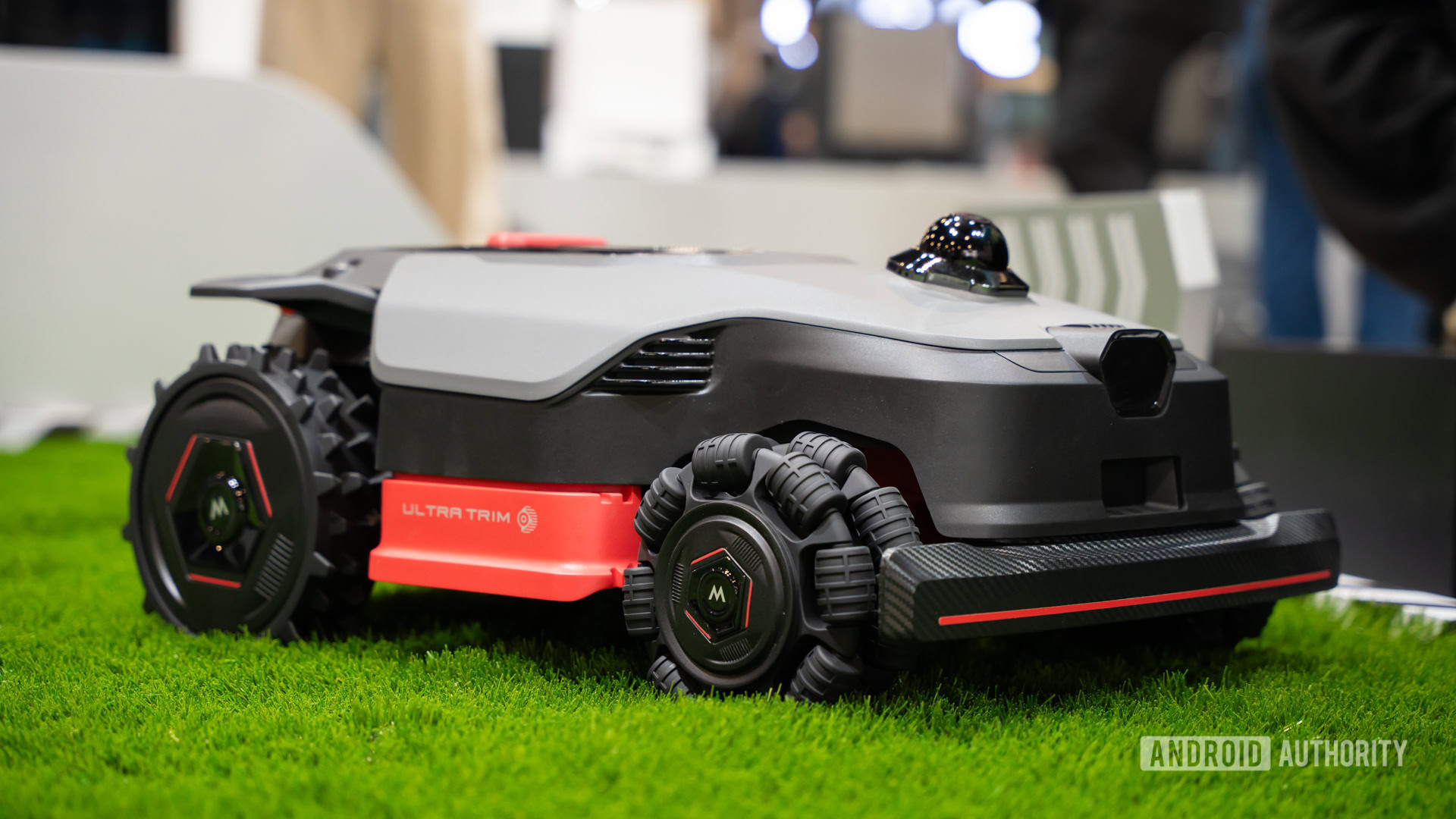
Edgar Cervantes / Android Authority
The Mova LiDAX Ultra Series is set to go on sale on January 29, 2026, with availability through Mova’s official website and Amazon. To coincide with the launch, Mova is also running a limited-time promotion from January 29 through February 12, aimed at early buyers.
As part of that launch offer, purchasers of the LiDAX Ultra 1000 will receive a free blade kit, along with an additional $100 off when using a promo code. The higher-capacity LiDAX Ultra 2000 comes with the same free blade kit, plus a larger $200 discount when a promo code is applied.
Follow