This Duolingo alternative changed the way I learn languages
Speak's speak-first approach is proving to be very bueno.
Stephen Headrick / Android Authority
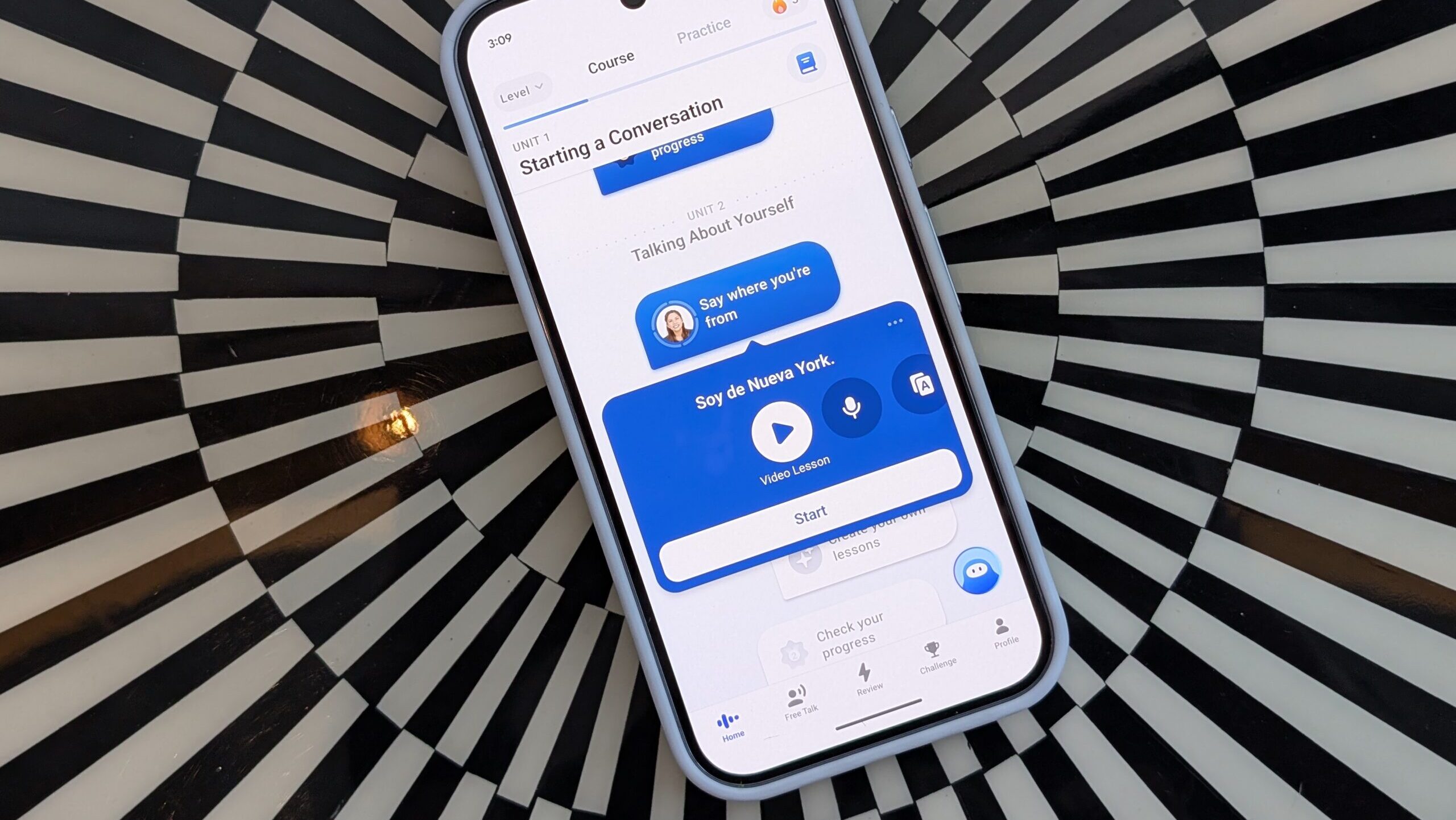
My friend is visiting from Colombia for the holidays, and let’s just say my 700+ days of studying Spanish on Duolingo is really being put to the test. Don’t get me wrong, I can definitely see the progress I’ve made in my Spanish learning journey. I pick up on things when I hear Spanish, and I’m usually able to piece together what’s being said. However, contributing to the conversation is an entirely different beast. Duolingo sprinkles speaking exercises into its lessons, but the functionality feels more like a smaller piece of the puzzle rather than the focus. Speak, another language learning app that I’ve been watching from afar over the last few years, turns this strategy on its head, and the difference has been eye-opening to me.
How often do you use a language learning app?
2186 votes
Speak first, sweat the details later
Stephen Headrick / Android Authority
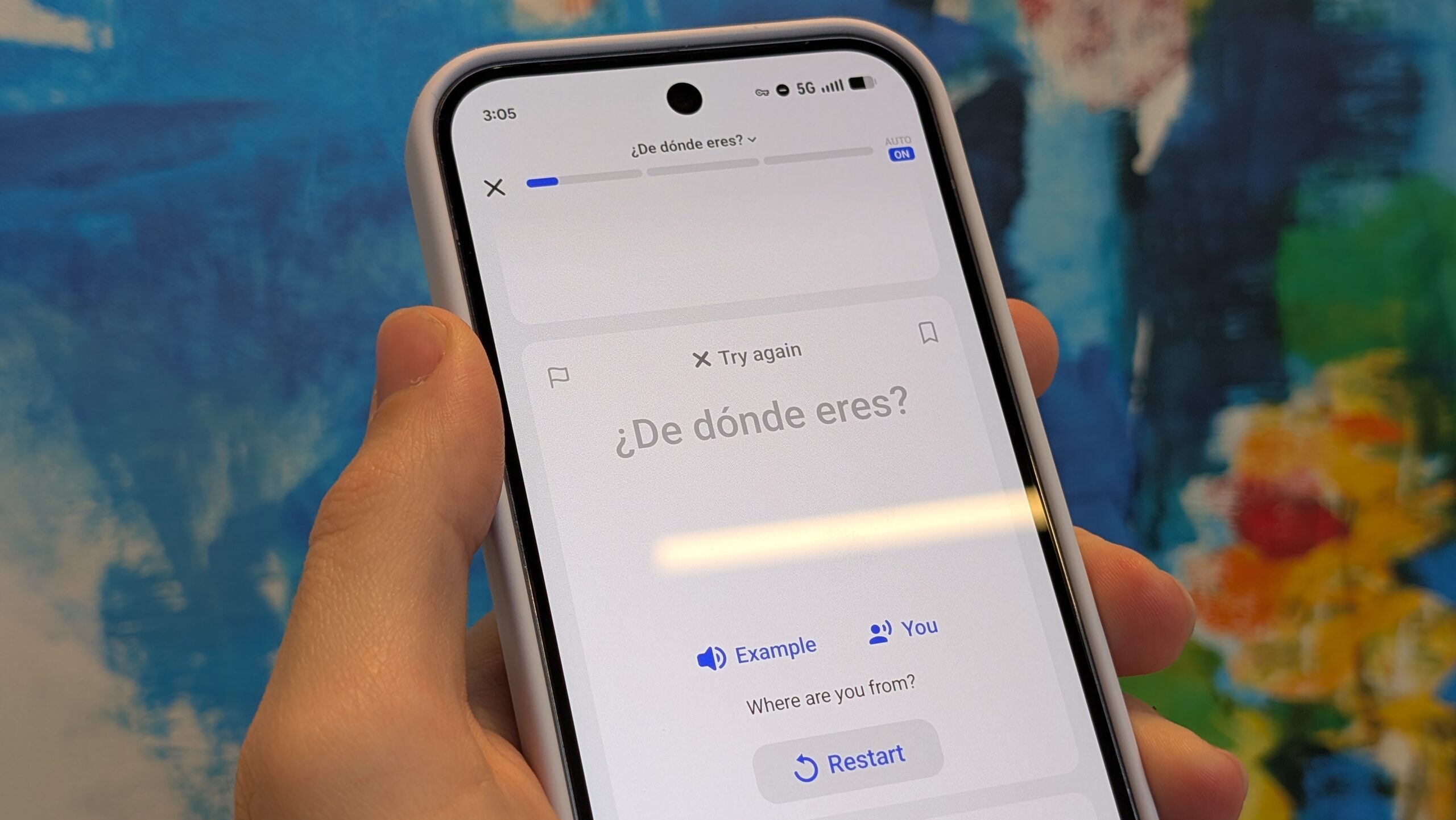
As the name of the app would imply, speaking is front and center right from the start. Your very first lesson is speaking-only, and the majority of your learning time will be spent actually saying things out loud instead of just answering a bunch of multiple-choice and fill-in-the-blank questions. First with Hungarian (pre-Speak app, as Hungarian isn’t yet available) and now with Spanish, I’ve found a speak-first approach to be the most effective learning method for me. That seems logical, too. After all, don’t we learn to speak first while we’re young, followed by reading and writing?
Importantly, speaking in Speak is dynamic. With most language apps, you’re required to repeat an exact word or phrase, which essentially amounts to memorization. With Speak, there are exercises where it explicitly asks you to respond however you want to respond, and the app’s reply changes based on what you say. This is where AI can be really powerful in learning. I also really like that the AI will analyze what you say and suggest other ways to say what you wanted to say while sounding more like a native speaker. The whole process is impressively nuanced.
A little bit of this, a little bit of that

Stephen Headrick / Android Authority
Speak doesn’t reinvent the wheel where it doesn’t need to. Instead, it appears to have identified what works in other apps and applied that to its speak-first method.
When you first open the app, you’ll notice a very similar layout to Duolingo, with a pathway of bite-sized lessons there to guide you on your learning journey. The app is gamified and even has a cute mascot of its own. Sound familiar? Nowadays, these elements are seemingly fundamental to any modern language learning app, all thanks to that one app with the green owl. This method is tried and true, and Speak has implemented it really well.
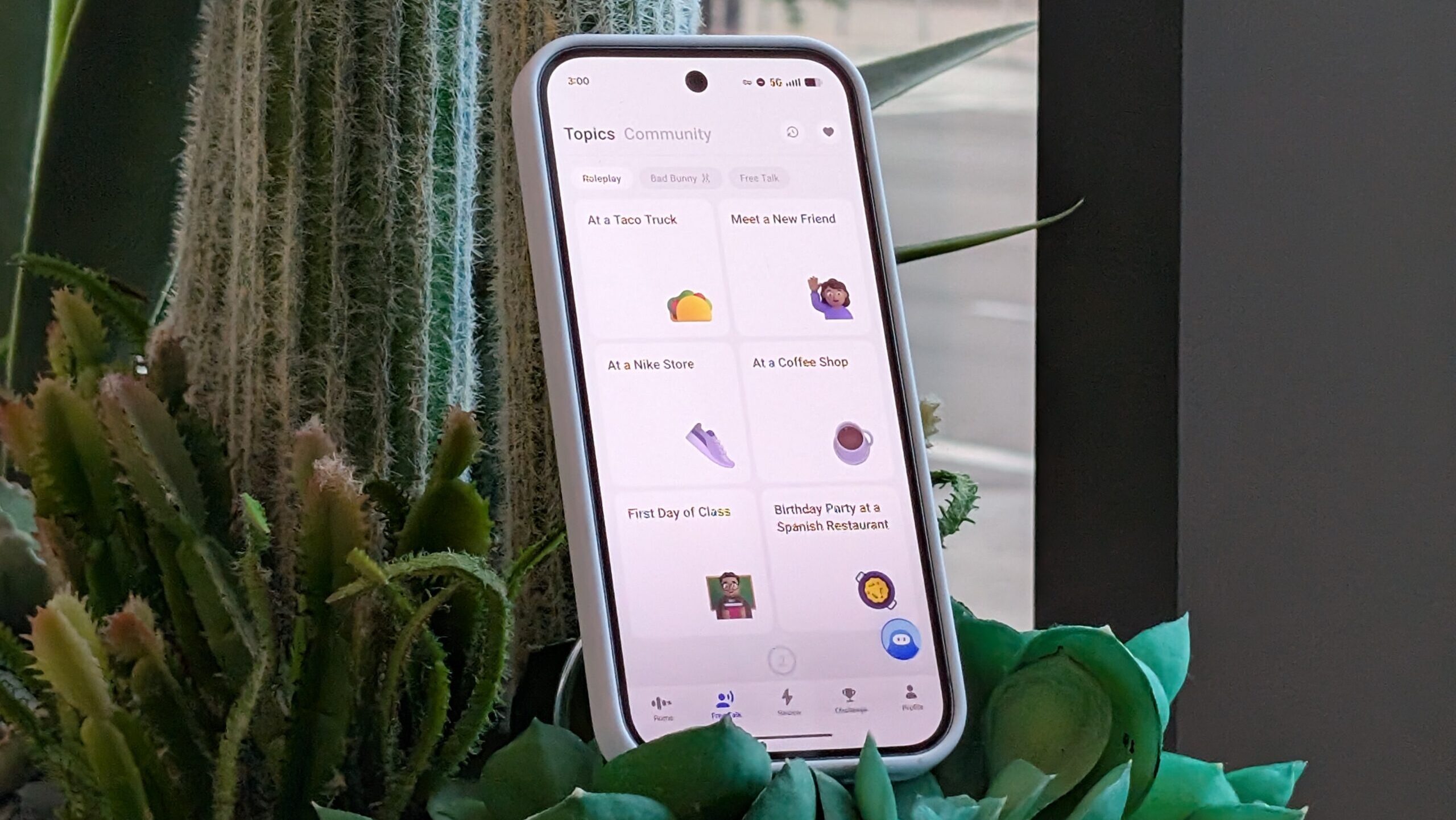
Speak is far from the first to try a speak-first approach. Another one, called Pimsleur, is popular for its speaking-based lessons, and I also find that platform to be incredibly useful. A key difference with Pimsleur, however, is that its lessons are recorded by real humans instead of using AI. While hearing real humans speak their native tongue is useful and likely preferable, I have found Speak’s AI-powered voices to sound very natural while providing those dynamic responses. Obviously, you could hire a human tutor to get dynamic, real-time responses, and that’s probably the best option, but perhaps a human tutor doesn’t fit in your budget or you prefer this app-based approach. Speak offers a good alternative, in that case. Instead of repeating pre-recorded phrases like other apps might have you do, Speak is giving you actionable practice in day-to-day conversations and scenarios.
Stephen Headrick / Android Authority
While Pimsleur has added similar functionality to Speak with AI-generated conversations and shorter practice methods, its core learning path has much longer lessons, usually between 30-60 minutes each, and in today’s fast-paced, focus-deprived world, I can appreciate the way that Speak breaks up the lessons into smaller study sessions, more akin to Duolingo. This allows you to squeeze in a lesson here or there where a longer lesson might not be doable, thus eliminating the excuse of not having enough time for learning. Sure, you could just pause a longer Pimsleur lesson and come back later, but I’d bet that the accomplishment of completing a full-but-shorter lesson leads to a stickier experience overall, which in turn leads users to more language learning in the long run.
Speak is essentially what you get if Duolingo, Google Translate, and Pimsleur had a baby.
Speak’s use of AI has proven to be tasteful and, more importantly, useful in my experience. Its approach is similar to Google Translate’s new Practice mode in the way that you can study topics that are relevant to you thanks to AI-generated lessons and responses, but Speak adds a level of organization and intention to its AI-powered learning that I don’t get from Google Translate thanks to its learning paths.
Unlike Duolingo and Google Translate, which can both be used for free, both Speak ($17.99/month or $83.99/year) and Pimsleur (starting at $19.95/month or $164.95/year) require a subscription after a free trial period.
My one wish
Stephen Headrick / Android Authority
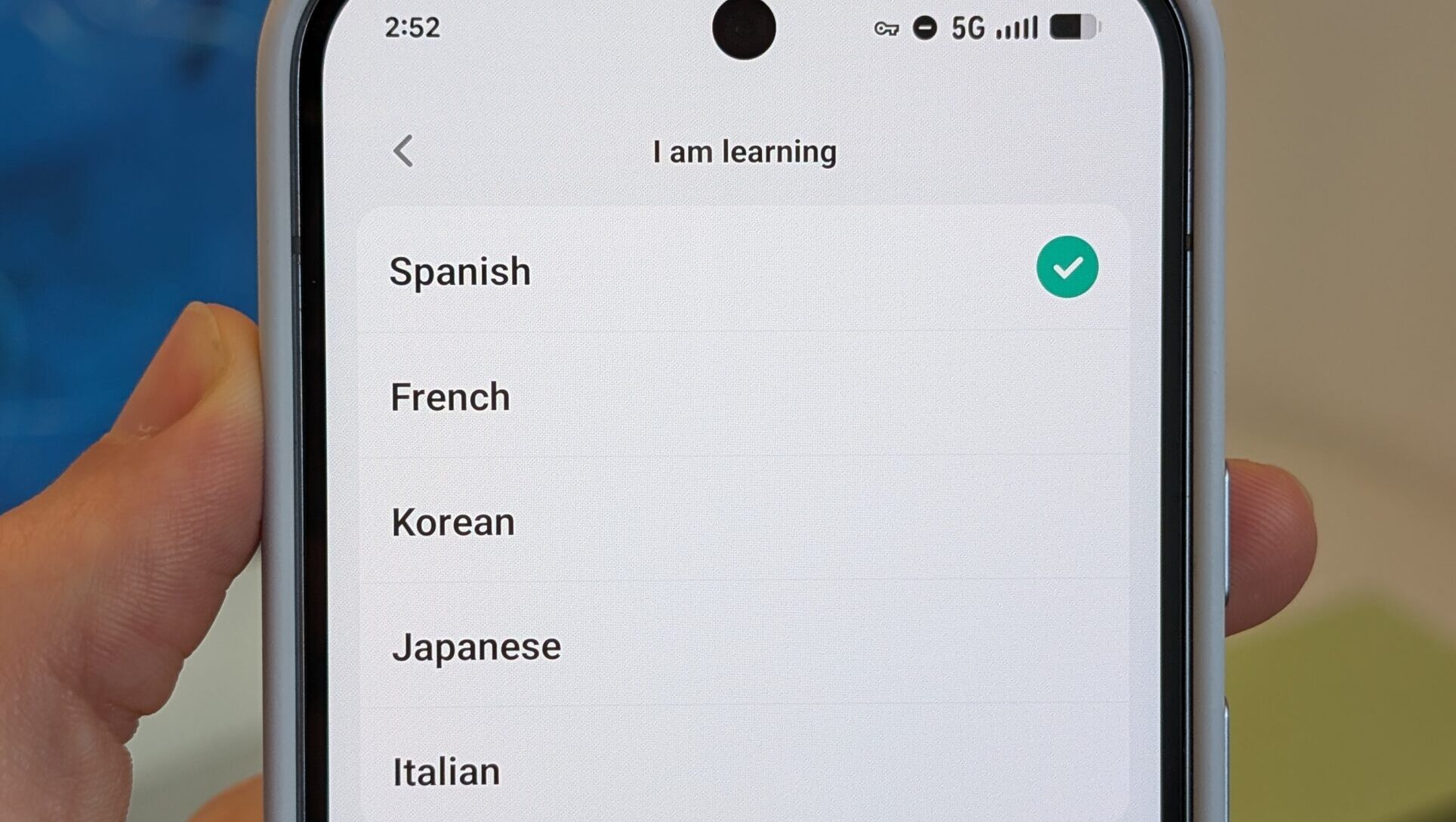
I’m clearly enjoying my time with Speak, but I do have one gripe: Speak is lacking in the number of languages on its platform. Yes, I know my beloved Hungarian, for example, is used less around the world than Spanish, but other platforms like Duolingo and Pimsleur include far more languages. For now, Speak only has five languages: Spanish, French, Korean, Japanese, and Italian. This, of course, covers some of the most widely-used languages, but I look forward to the day more languages are added to Speak.
Speak’s method is really speaking to me, but do I ditch the others?
Stephen Headrick / Android Authority
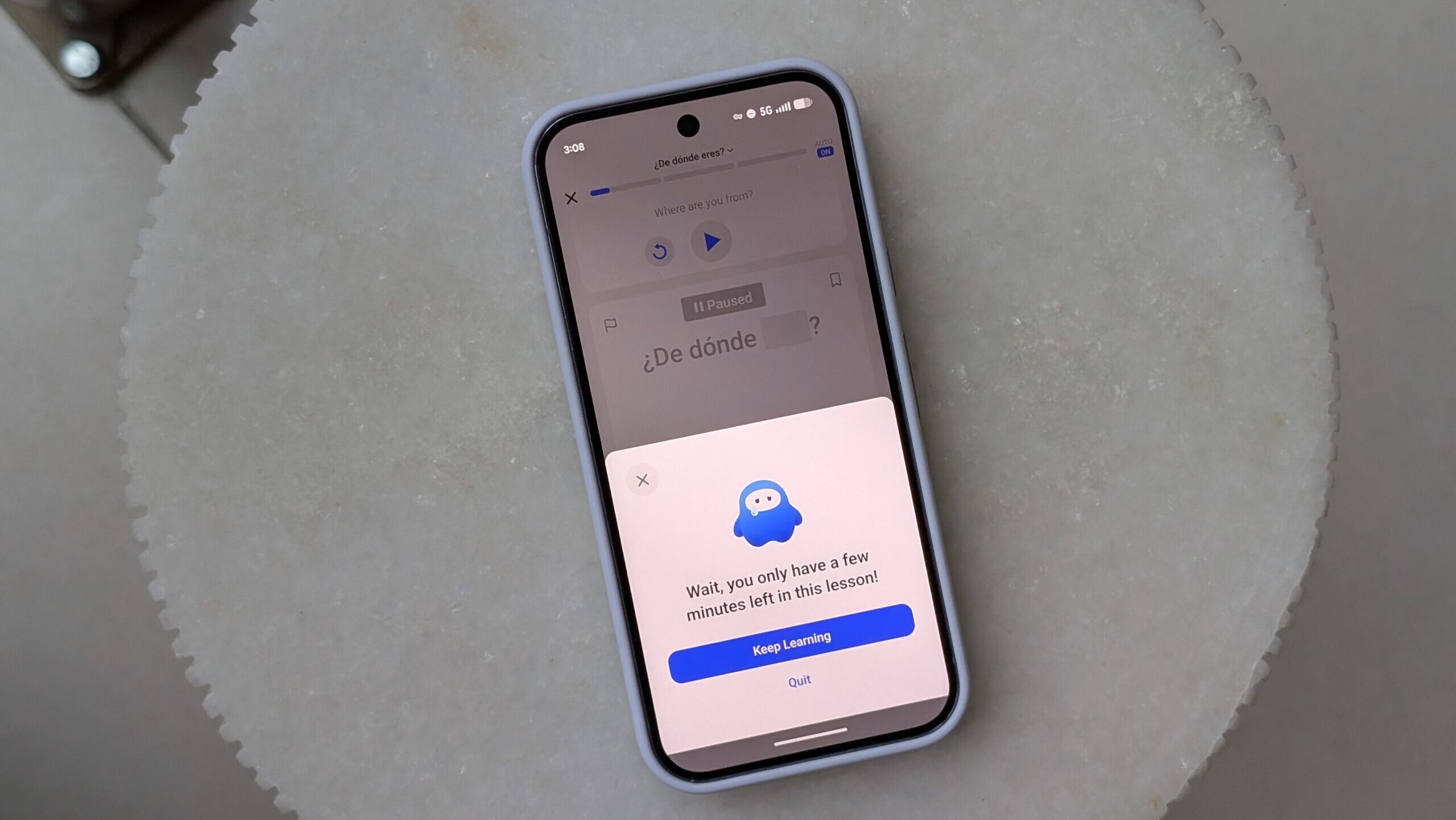
There are countless language learning apps out there, and I’ve only mentioned a few here. The truth is that we all learn in different ways; this is not a one-size-fits-all scenario. While Speak does a great job of bringing a bunch of different methods together in one app, I’ll continue to use Duolingo and Google Translate in tandem with Speak. Duolingo is where I have a bunch of real-life friends added to compete with and motivate one another. Google Translate is completely free and dynamic with its bite-sized, AI-powered lessons. Speak has me speaking the most of the three, improving my conversation skills.
Depending on the day, I’ll spend more time in one than the other, but this multi-app approach is leading to one outcome for me: more time spent learning a language. I think that’s what truly matters here. I’d even love to keep using Pimsleur as a fourth app in the rotation, but one only has so much time and money, so for now at least, I’m sticking with this three-app combination.
This multi-app approach is leading to one outcome for me: more time spent learning a language.
Speak is essentially what you get if Duolingo, Google Translate, and Pimsleur had a baby. No one wants to waste their time on something that doesn’t produce results, and fortunately, I’m finding Speak to be incredibly useful in my language learning journey. I’m feeling more confident in speaking with my Colombian friend, and if I had been using Speak as long as I’ve been using Duolingo, I have to wonder if I’d be having fuller, more nuanced Spanish conversations. While I’m not dumping that 700-day Duolingo streak just yet, Speak has quickly become a daily staple in my Spanish studies, and I only see that continuing for the foreseeable future.
Follow
Thank you for being part of our community. Read our Comment Policy before posting.