Trees in Panama's tropical forests are growing longer roots in the face of drought
A long-term experiment reveals tropical forests in Panama are able to adapt to droughts, but scientists warn this short-term "rescue strategy" is unlikely to save them from the impacts of climate change.
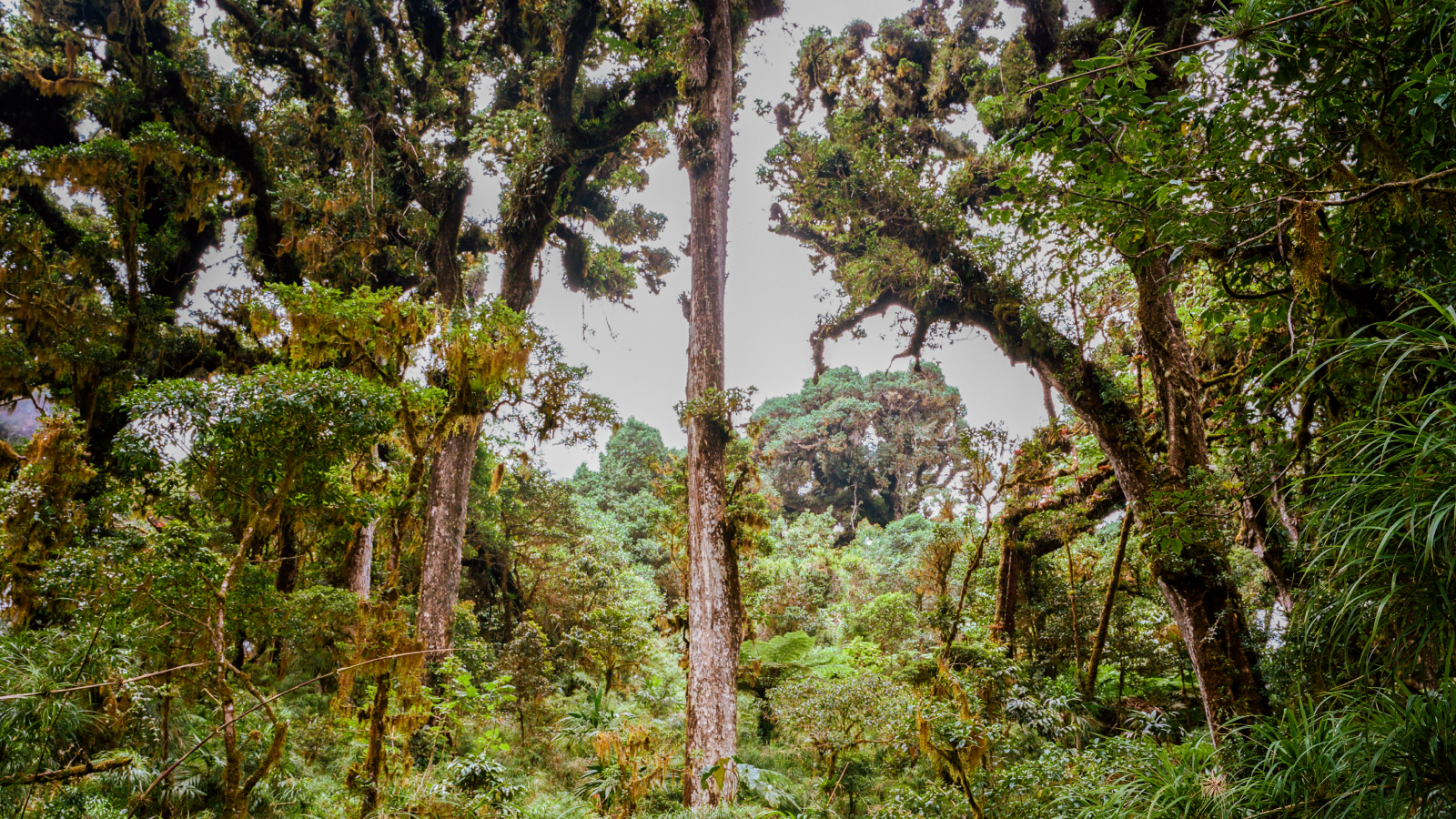
(Image credit: Michael Hall/Getty Images)
When drought hits, tropical forests in Panama have a "rescue strategy" to adapt to the lack of water by sending their roots deeper underground, a new study has found. But scientists warn this may not be enough to save them from the ravages of climate change.
Tropical forests are home to more than half of the world's terrestrial biodiversity and store large quantities of global carbon. A lot of this carbon is held in their roots below ground. However, climate change is pushing up temperatures in these forests and is expected to bring extreme droughts.
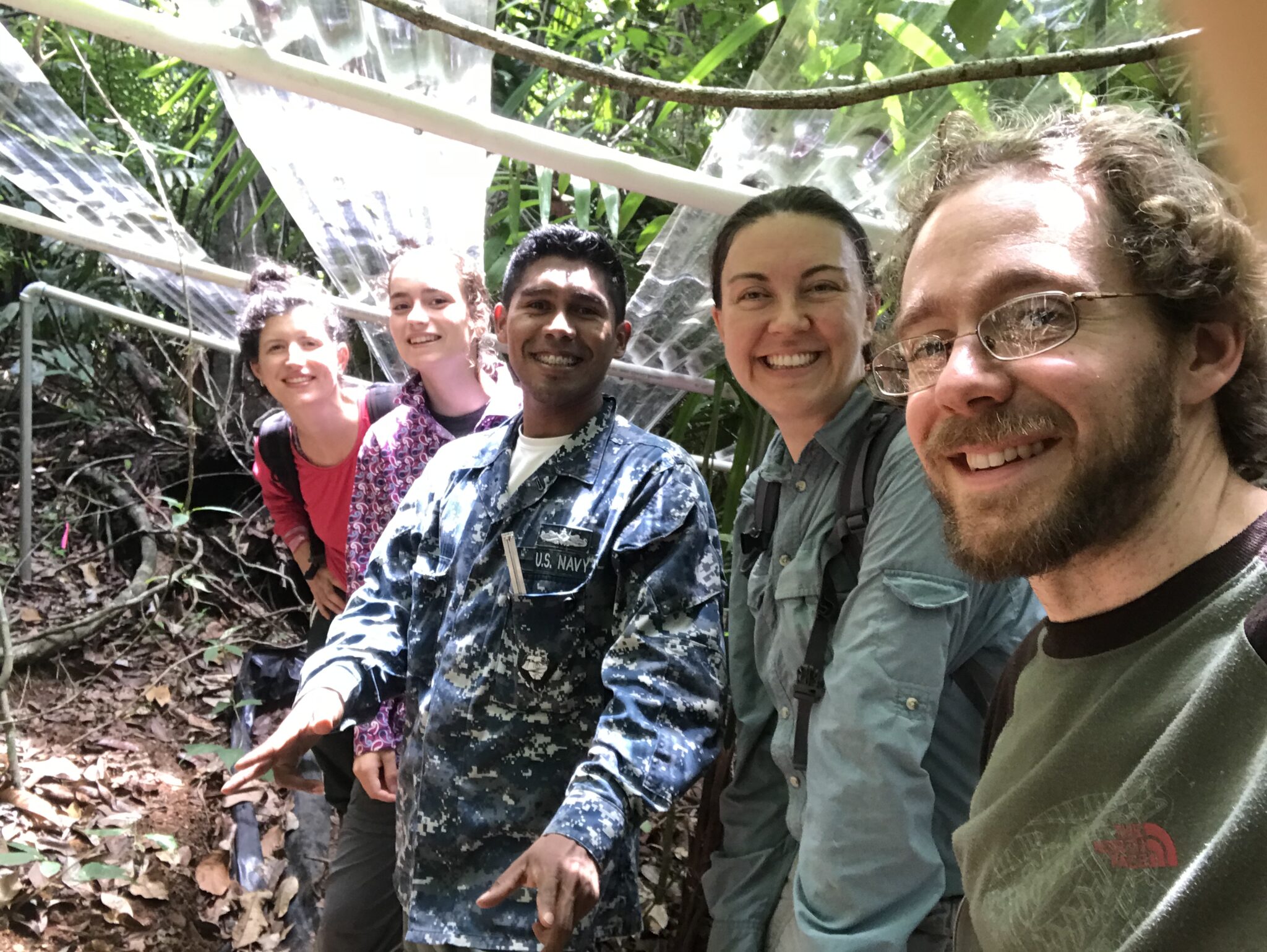
The scientists erected clear roof structures above the plots that excluded 50% to 70% of the rainfall from reaching the forest floor. The structures "look like partial greenhouse roofs," study co-author Daniela Cusack, an ecosystem ecologist at Colorado State University, told Live Science. She has been leading the PARCHED experiment since 2015. The researchers also dug trenches around the plots, which they lined with thick plastic so that the roots could not access water from outside the plots.
The researchers used three methods to find out what was happening with the trees' roots.
They sampled soil cores four times a year for five years. The cores extended about 8 inches (20 centimetres) below the surface. The researchers also had root traps, which are mesh columns filled with soil. Every three months, they checked how many roots had grown into these columns.
Get the world’s most fascinating discoveries delivered straight to your inbox.
The third method involved using small cameras to watch how the roots grew. When the PARCHED experiment was set up, the researchers sank acrylic tubes about 4 feet (1.2 meters) into the ground. These tubes have gaps at regular intervals with cameras looking into the soil.
All four forests, despite being different from each other, showed similar responses to a slowly drying environment.