Truly phoneless AI glasses to the first specs with HDR10 — here are the best smart glasses from CES 2026
We got 20-26 vision at CES this year thanks to the five best smart glasses announced at the show

(Image credit: Lance Ulanoff / Future)
Every year CES 2026 is brimming with technological marvels highlighting the gadgets of tomorrow, and in no other category does that feel more true than with smart glasses. So I’m finding the best smart glasses of CES 2026 and shouting them out here.
There are plenty to choose from. Following the success of the Ray-Ban and Oakley Meta collab, as well as the hype being driven by Android XR the field featured a lot of new players alongside several returning favorites.
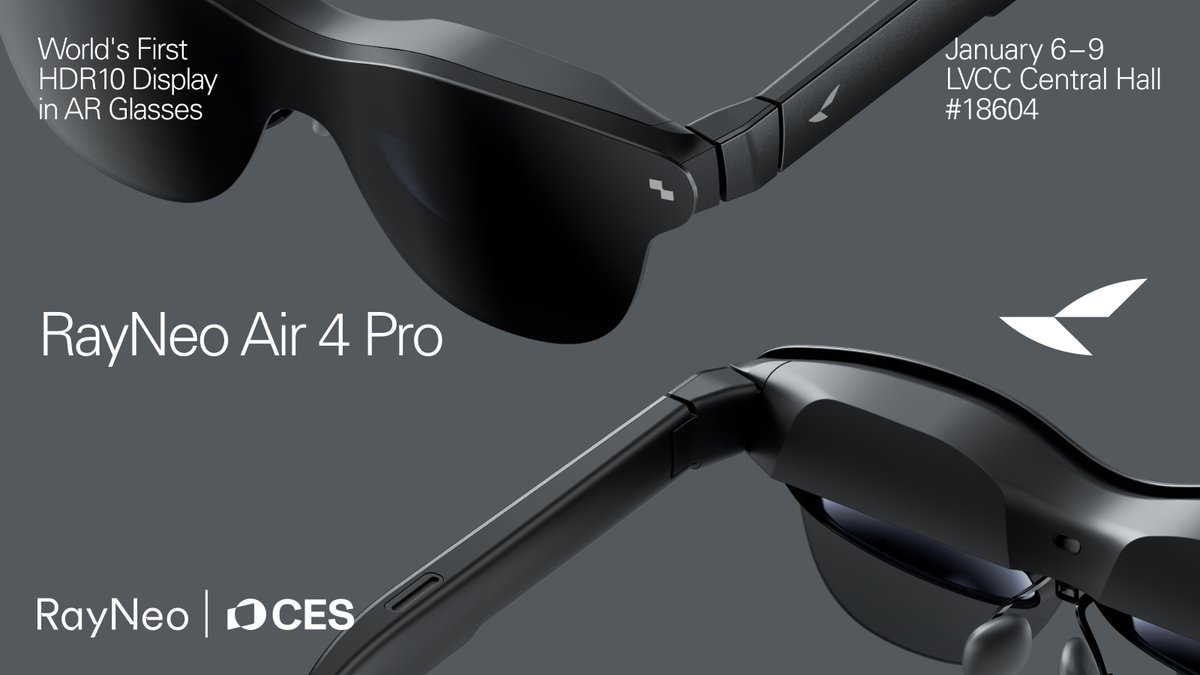
RayNeo Air 4 Pro
(Image credit: RayNeo)
- The best glasses for entertainment
If you’re after big (virtual) screen entertainment, the new RayNeo Air 4 Pro glasses will be tough to beat, especially at their very low $299 (UK and Australian pricing to be confirmed) price tag.
They still have a 1080p resolution limit, but in a first for these kinds of specs they offer HDR10 support on their micro-OLED panels, which are made even more vivid with 1,200 nits of brightness. The audio has been tuned up as well, thanks to the expertise of Bang & Olufsen.
The screen expertise of TCL, which makes these glasses, is on show here, and while they lack some of the bells and whistles of their rivals, these specs are also relatively inexpensive – and while I have yet to put them through TechRadar’s rigorous testing, I expect they’ll be a shoo-in for the best cheap smart glasses on the market if you want that entertainment focus.
Asus ROG Xreal R1 AR
(Image credit: ASUS)
- The smart glasses gamers will want to buy
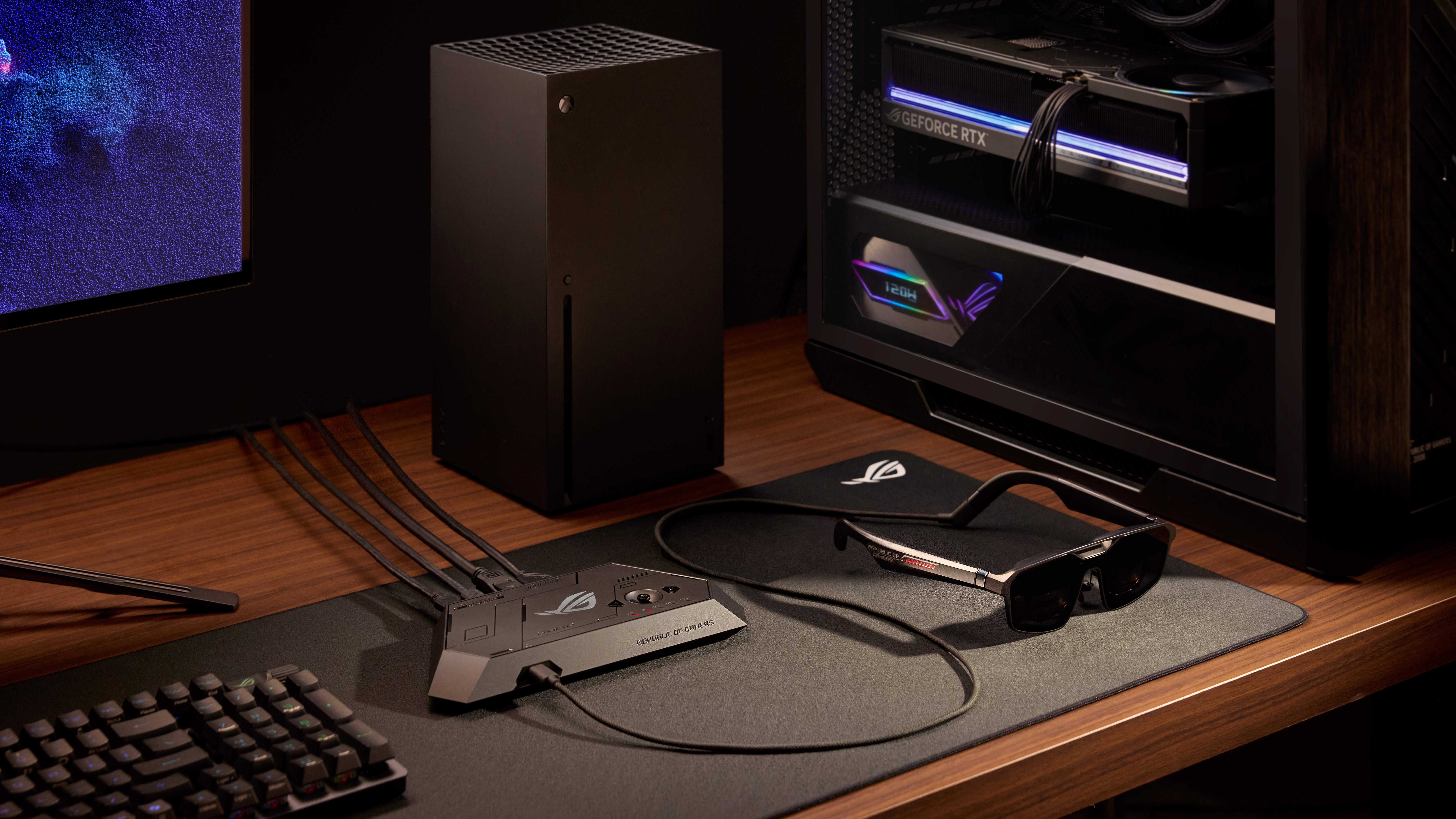
Meta who? Following the breakup between Meta and its third-party HorizonOS partners it seems at least one has already moved on to a new collaborator, because Asus and Xreal have debuted these gamer-friendly specs.
Sign up for breaking news, reviews, opinion, top tech deals, and more.
Lenovo announced some smart glasses of their own (Meta’s other HorizonOS partner) but as they’re only a prototype and not the most interesting prototype at that, I’ve omitted them from this list.