Trump tantrums: How 2025 became a 'Big Bang' year for Indian economy
India's 2025 witnessed a 'big bang' of reforms, including tax relief, simplified GST, and liberalized FDI in insurance and pensions. These sweeping changes, aimed at boosting 'ease of living' and 'doing business,' seek to counter global headwinds and attract investment. The ambitious push signals a strategic reset for sustained growth and India's developed economy goal.

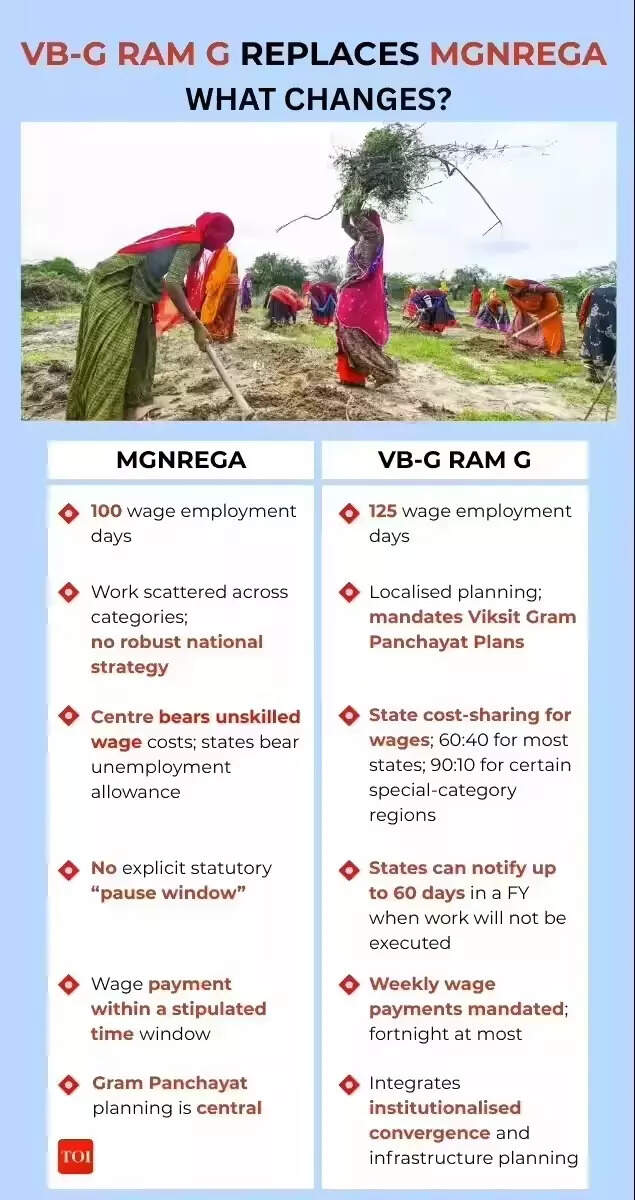
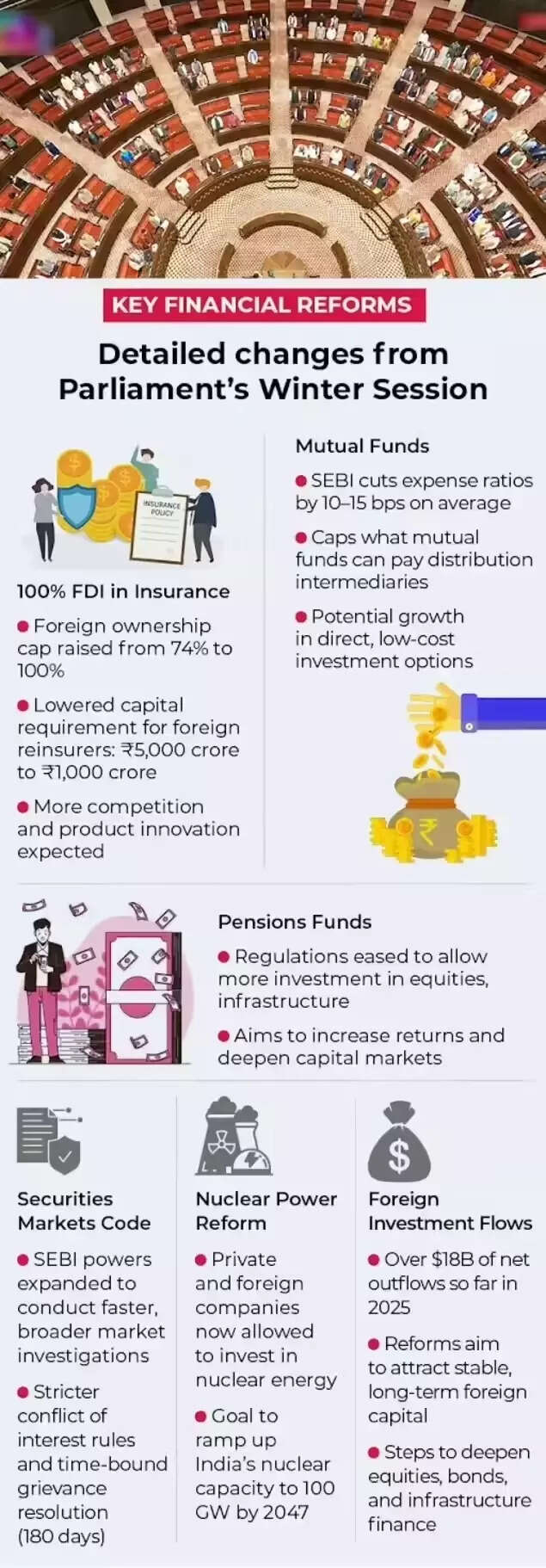
Driving the newsIt began with a tax relief for the middle class. It ended with a slew of reforms that had been put on hold for many years. By December-end, the 2025 turned out to be one of the most consequential years for Indian economy.In one of its busiest legislative sessions in years, parliament cleared a string of measures that had languished for decades or stalled amid political resistance: 100% foreign direct investment in insurance and pensions and private participation in nuclear power, and a new law, VB-G RAM G replacing MGNREGA.
India Has Changed Its Economic DNA, Grows Over 8 Percent Amid Global Challenges: PM Modi in Oman
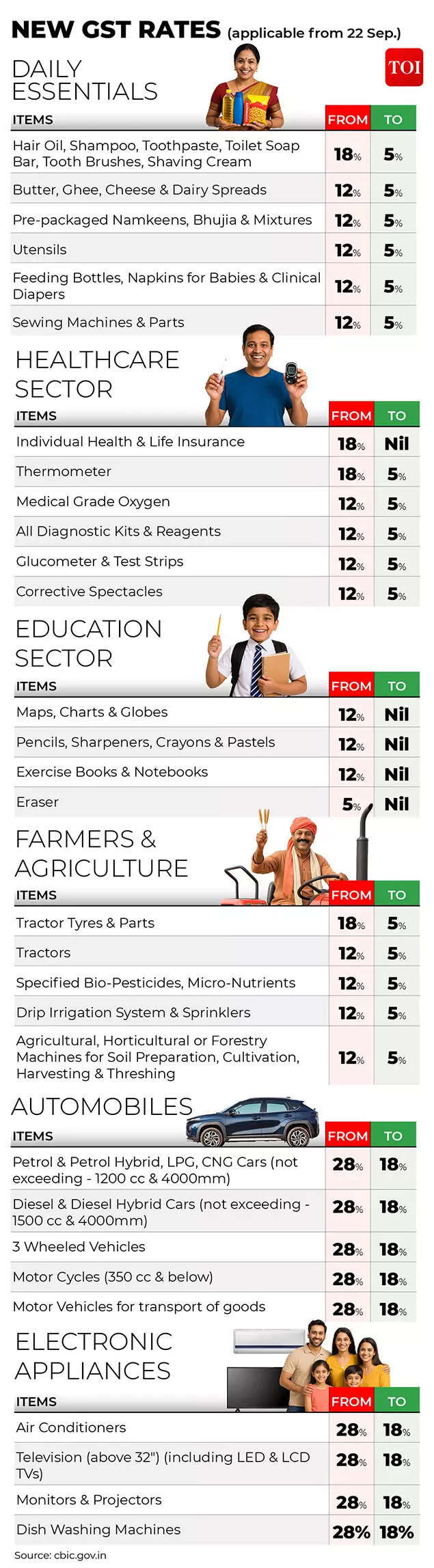
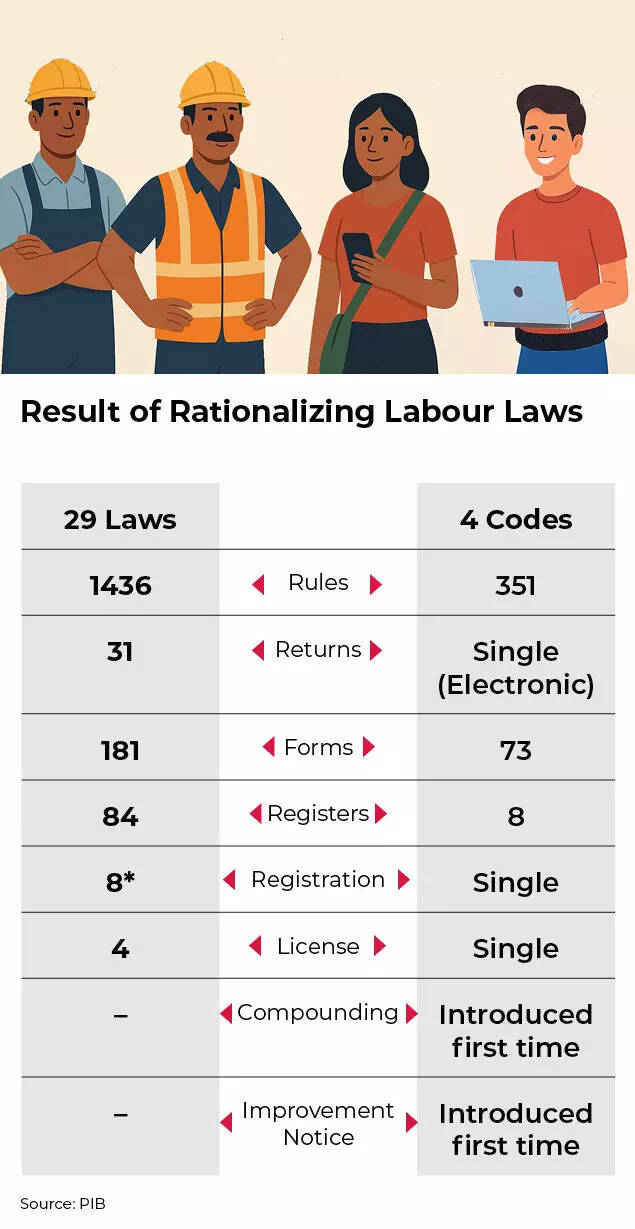
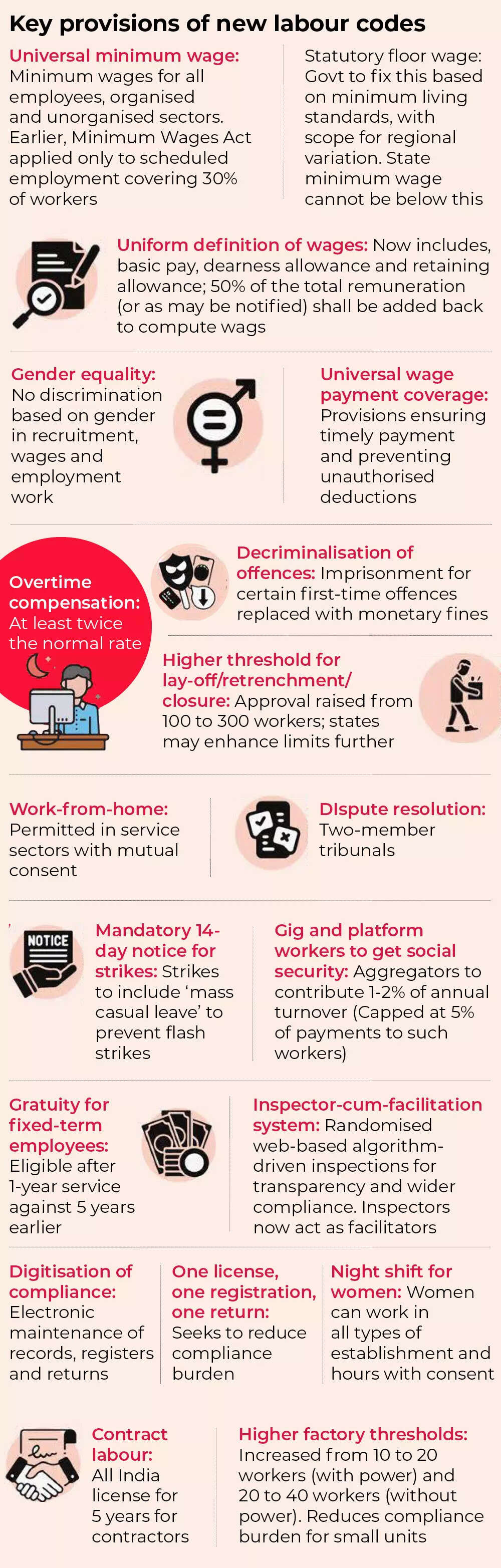
Add to these, a simplified goods and services tax (GST) regime, the long-delayed rollout of four labour codes, and a brand-new Income Tax Act replacing a statute dating back to 1961. The scale and sequencing have led economists and investors alike to describe the push as a “big bang” - not incremental tinkering, but a coordinated attempt to reset India’s growth model under mounting global pressure.
The government has framed the moment as a decisive turn toward “ease of living” and “ease of doing business.” In a message amplified by MyGovIndia, PM Modi said, “Ours is a Government committed to boosting ‘Ease of Living’… Our reform trajectory will continue with even more vigour in the coming times.”
Why it mattersThe reform surge comes at a precarious moment for the world’s fastest-growing major economy.India is expanding at more than 8% year-on-year, but that pace is under threat from a sharply deteriorating external environment. US tariffs of up to 50% on Indian exports - imposed by President Donald Trump - have hit key labour-intensive sectors such as textiles and electronics, complicating New Delhi’s ambition to turn India into a manufacturing rival to China.
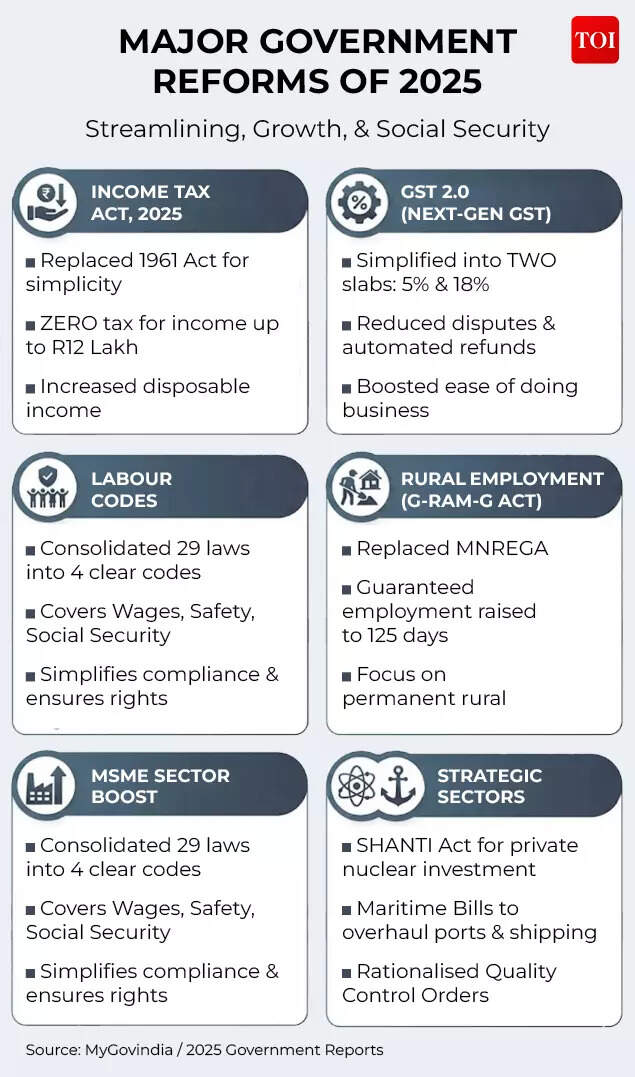
Major government reforms of 2025
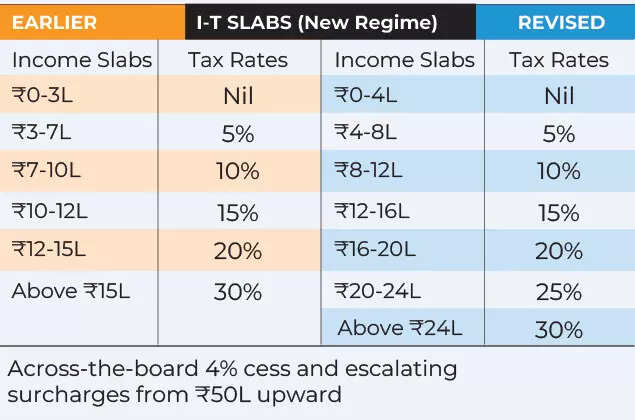
At the same time, net foreign direct investment has fallen to multi-year lows even as headline growth remains strong. Manufacturing is stuck at about 17% of GDP, far below the government’s 25% target, wage growth has been uneven, and private investment has yet to become a self-sustaining engine.Against that backdrop, the 2025 reform burst is about urgency as much as ambition. Policymakers believe cutting red tape, simplifying taxes, easing labour rules and opening capital markets can offset global headwinds, revive investor confidence and keep India on track for its 2047 goal of becoming a developed economy.As Bloomberg put it, the reforms are designed to “set the stage for a surge of foreign capital” at a time when external shocks risk derailing growth.The big pictureWhat makes 2025 different is not a single reform, but how multiple changes are being stacked to reinforce one another.Tax reset: Big relief for middle classPresenting her one of the most important budgets in February, finance minister Nirmala Sitharaman delivered the much-awaited relief for the middle class.