US government overhauls the childhood vaccine schedule in unprecedented move
Federal health officials are attempting to make the U.S. childhood vaccine schedule more like that of Denmark. Experts say the decision lacks scientific backing.
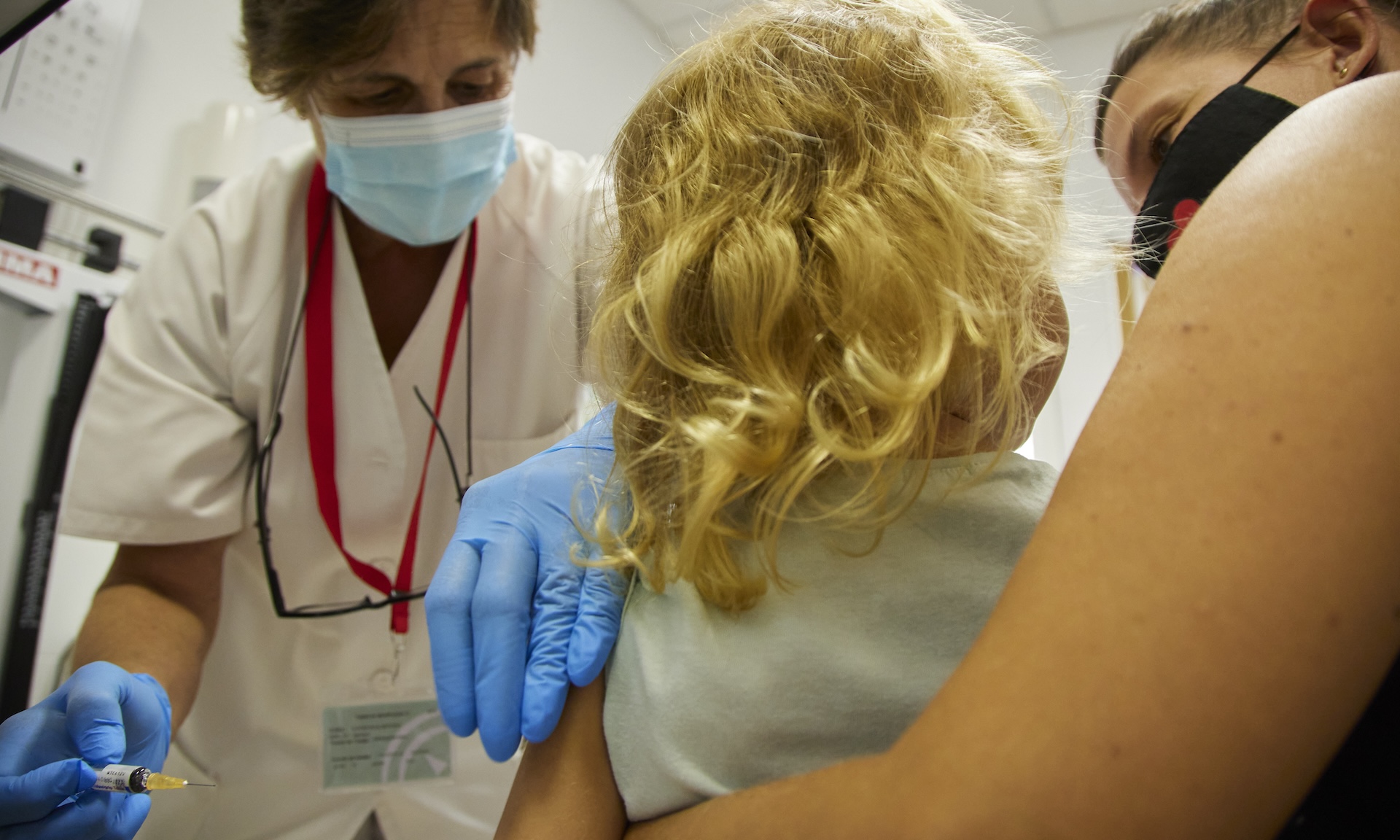
The U.S. federal government has made dramatic changes to its childhood vaccine recommendations. (Image credit: Europa Press News via Getty Images)
The U.S. federal government has rewritten its childhood vaccine schedule, reducing the number of shots universally recommended to kids 18 and under from around 17 to 11.
This policy change effectively downgrades the recommendations for several shots, such as those against rotavirus, the flu and hepatitis A. Rather than being recommended to all children by default, those vaccines will now be recommended to only certain "high-risk" groups or will be accessible through "shared clinical decision-making" between parents and providers.
"By making these vaccines a shared clinical decision making, it introduces one more barrier that prevents a child from getting a life-saving vaccine," Jernigan said.
The new recommendations
The new recommendations group vaccines and immunizations into three categories:
- Those recommended for all children
- Those recommended for certain high-risk groups
- Those that can be given based on "shared clinical decision-making"
Federal guidance still recommends that all children receive shots against 11 diseases: measles, mumps, rubella, polio, pertussis, tetanus, diphtheria, Haemophilus influenzae type B (Hib), pneumococcal disease, varicella (chickenpox), and human papillomavirus (HPV). However, HHS is recommending only one dose of HPV vaccine instead of the usual two, STAT reported.
Certain "high-risk" populations are recommended to be immunized for RSV, hepatitis A, hepatitis B, dengue, and two types of meningococcal disease. (Note that immunizations against respiratory syncytial virus, or RSV, include a prenatal vaccine given to mothers and antibody drugs given to kids. There is no RSV vaccine available for children.)
Get the world’s most fascinating discoveries delivered straight to your inbox.
Vaccines against meningococcal disease and hepatitis A and B are also listed under the "shared decision-making" category, as are shots against rotavirus, COVID-19 and the flu.
"Abandoning recommendations for vaccines that prevent influenza, hepatitis and rotavirus, and changing the recommendation for HPV without a public process to weigh the risks and benefits, will lead to more hospitalizations and preventable deaths among American children," Michael Osterholm of the University of Minnesota's Center for Infectious Disease Research and Policy, .