Victoria’s Airbnb boom is over, but don’t expect a rental windfall
Growth in short-stay listings has stagnated, threatening revenue from the new Airbnb levy, but experts are not convinced there will now be more long-term rentals.
Growth in Victoria’s short-stay accommodation market has ground to a halt, threatening to drain revenue for social housing that was supposed to be raised by the state government’s new Airbnb levy.
Data provided to The Age by international data provider AirDNA shows short-stay listing growth on platforms like Airbnb and Stayz stagnated in 2025 – the same year the 7.5 per cent levy was introduced.
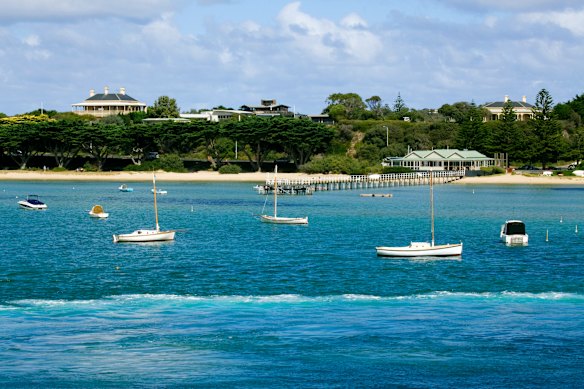
Tourist towns like Portsea are hubs for short stay rentals. Credit: Jessica Shapiro
But analysts don’t believe the tax has been the driving cause of the trend, instead attributing the slowdown to a cooling market after hitting a ceiling of customer demand.
Across Victoria, there was an average of 43,735 short-stay properties listed daily in 2025, compared to 43,738 the year prior.
The number of listings – concentrated in Melbourne and holiday hotspots – had been climbing significantly as the market recovered from the COVID-19 pandemic, with a 22 per cent increase in 2023 followed by a 12 per cent increase in 2024, before that growth stopped last year.
“Some of the listing slowdown we’ve seen in the last few years could be attributed to hosts being deterred by higher tax levies, but it’s more likely the result of slowing demand,” said AirDNA research analyst Linda Rollins.
According to Rollins, accommodation demand growth slowed to 6 per cent in 2024 and just 2 per cent in 2025. This has resulted in a market where supply exceeds demand, leading to falling occupancy rates that have deterred new listings from joining the market.
The 7.5 per cent levy on accommodation charges – which was announced in 2023 by the then Andrews government and began in January last year – aims to incentivise property owners to shift short-term listings back into the long-term rental market.
The revenue generated from the tax, which applies to stays of less than 28 days, is specifically earmarked for Homes Victoria to fund the construction and maintenance of social and affordable housing, with 25 per cent set aside for regional Victoria.
The government initially projected the tax would raise approximately $75 million annually – a figure highly dependent on the continued strength of the short-stay market.