Vitamin B12 in eggs: How to cook eggs right to get maximum vitamins
Eggs are a natural source of vitamin B12, crucial for nerve function and energy. Researchers found cooking methods affect nutrient availability. Gentle cooking like soft boiling, poaching, low-heat frying, and steaming best preserves vitamin B12. Overcooking, especially the yolk, diminishes its nutritional value. Simple adjustments in heat and time can maximize the benefits of this everyday food.

People eat eggs in so many ways that you sometimes forget they are more than just breakfast. Scrambled on toast, fried in a rush before college, yolks saved for baking and whites used for a quick protein hit.
One thing that does not get talked about enough is how eggs are one of the easier everyday foods that contain vitamin B12. The body needs this vitamin to keep nerves working properly, support red blood cells and help with general energy, yet you cannot make it yourself. If your diet has fewer animal foods or you are inconsistent with them, eggs can fill that gap quite naturally without needing extra effort.Researchers studying nutrient behaviour during cooking published in PMC found that temperature and method influence how well the body can later use the nutrients inside eggs.
The study suggests that different cooking techniques change the structure and digestibility of egg nutrients, which makes it worth paying attention to how eggs are made if you are eating them for nutrition rather than just habit. Vitamin B12 helps maintain the protective covering (myelin sheath) around nerves, ensuring proper nerve signaling. A deficiency may lead to tingling, numbness, memory issues, and poor concentration.
Vitamin B12-rich foods for brain and nerve health
How to cook eggs right to preserve vitamin B12 in eggs
Vitamin B12 mostly sits in the yolk, not the white, and it does not love long, intense cooking. If you boil an egg to the point where the yolk has turned dull and crumbly, you are pushing the limit of what the vitamin can handle. Softer cooking and shorter cooking seem to give the best balance between taste, safety and nutrient retention. Below are realistic approaches someone can do even half asleep in the morning, without needing fancy equipment.
Boiling eggs gently to keep vitamin B12 in eggs
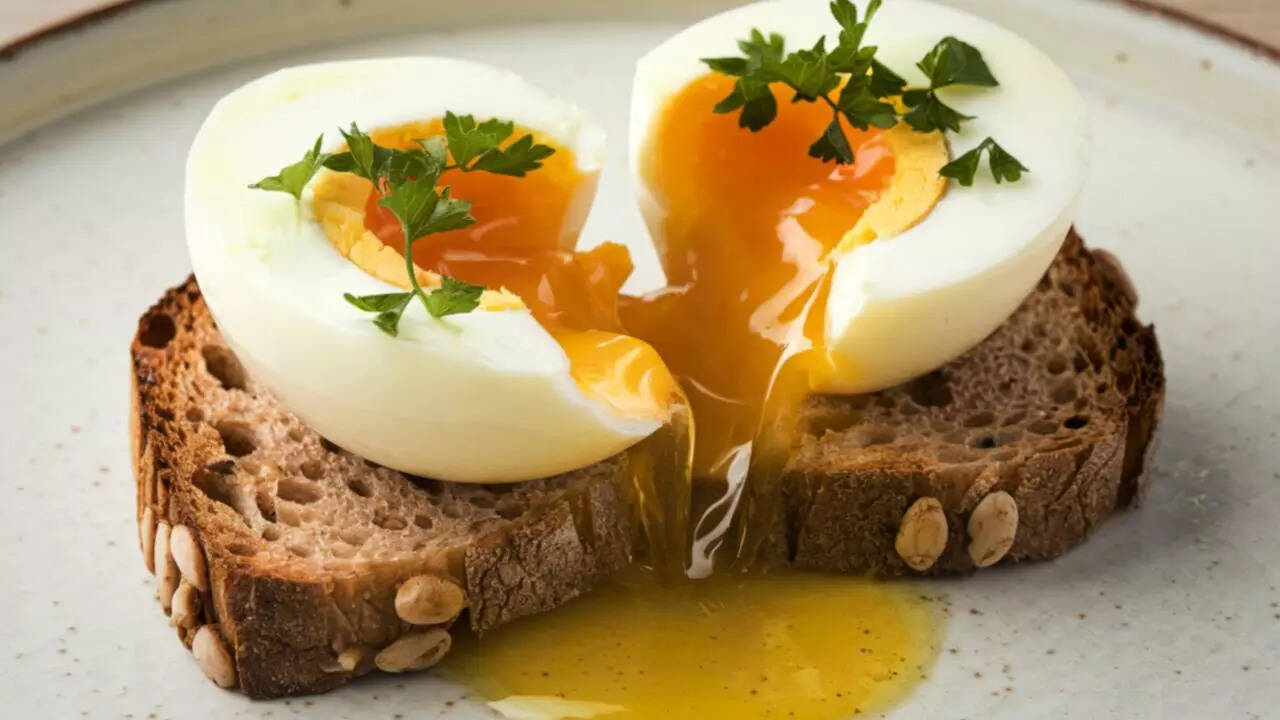
Boiling sounds foolproof, but the trick is not letting the eggs roll around in boiling water for ages. For better B12 retention, bring water to a boil, lower the eggs in gently, then turn the heat down a little so it simmers rather than bubbles violently. Around six minutes gives a soft centre, eight to nine minutes gives medium, and anything over fifteen tends to dry out the yolk too much. Once lifted from the pan, place them in cold water to stop the cooking.
This tiny habit prevents overcooking and keeps the yolk creamy rather than chalky. Creamy yolk means more intact nutrients and a nicer bite.
