What are the pros and cons of using a dehumidifier in the winter?
Winter dehumidifiers can prevent condensation and save energy, but they're not always necessary. Here's how to decide.
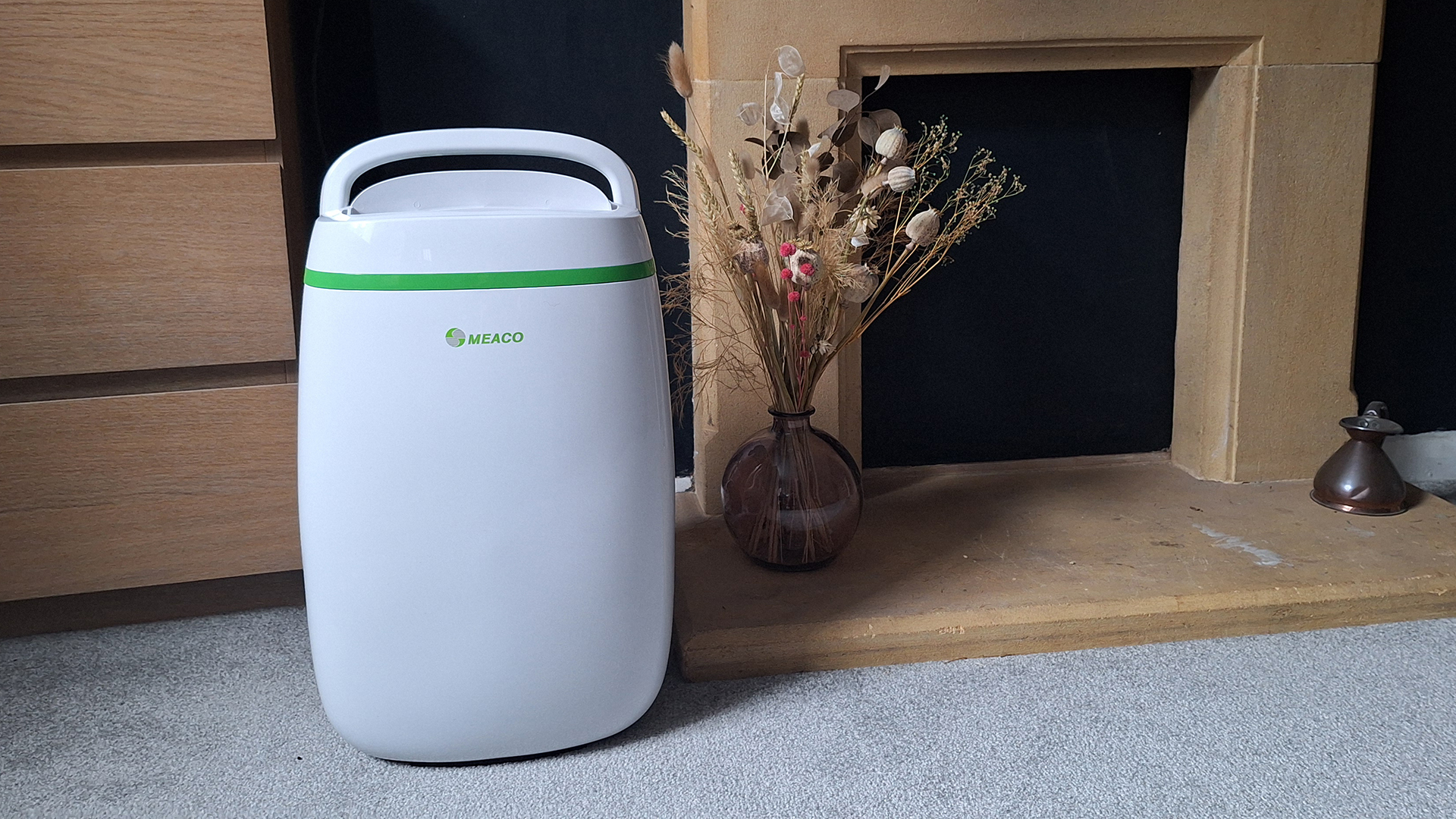
(Image credit: Future)
When winter arrives, most of us think about humidifiers: devices that add moisture to combat dry, heated indoor air. So the idea of running a dehumidifier, which removes moisture, can seem counterintuitive.
Yet for many homes, it can actually be a good idea. In this article, I'll explain why, and when it might not be necessary. First, I'll walk you through the main potential benefits of using a dehumidifier in winter, then explore the potential drawbacks.
The pros of using a dehumidifier in winter
1. Tackling condensation on windows and walls
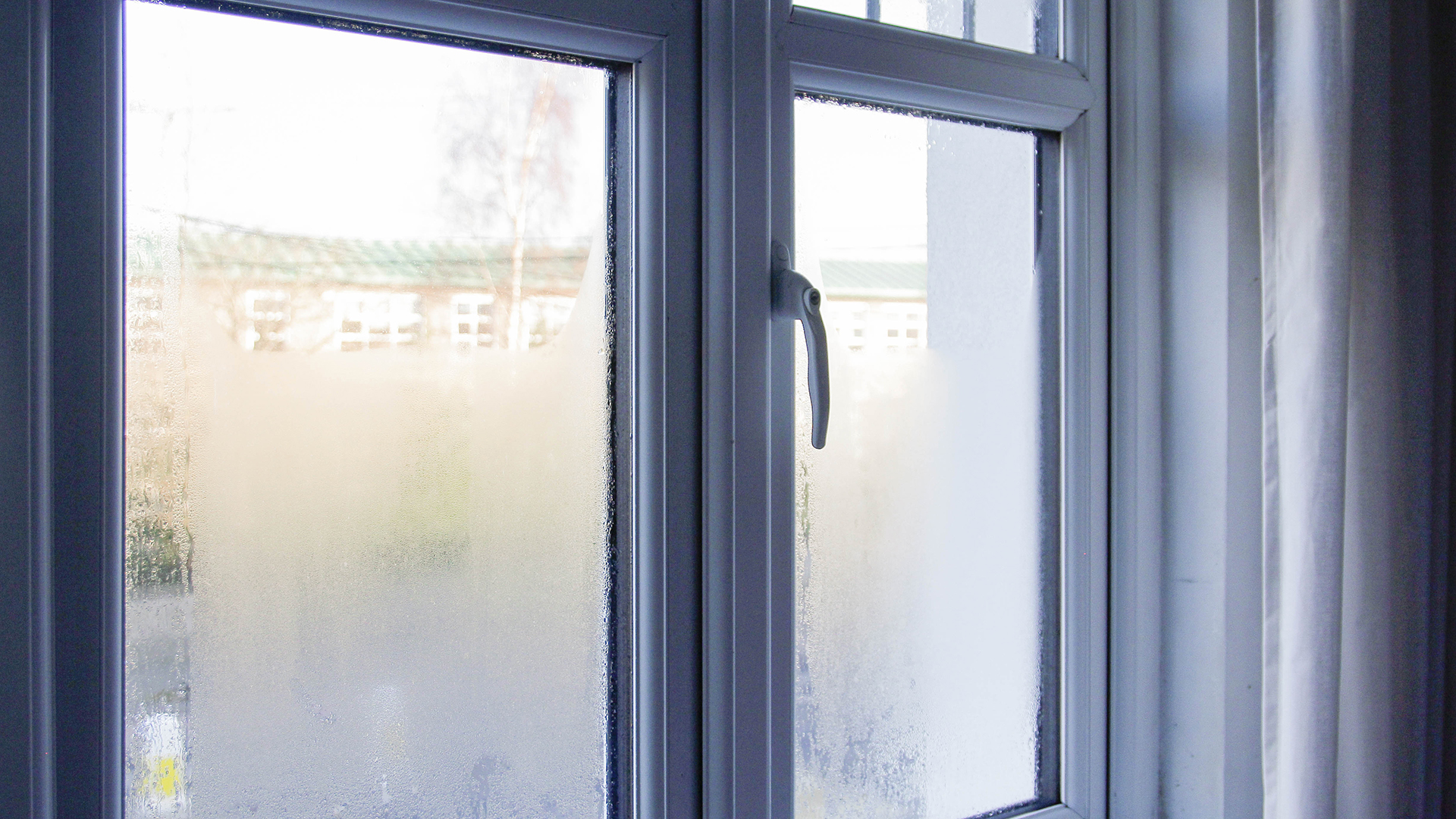
When warm indoor air meets cold surfaces like windows and external walls, moisture in the air condenses into water droplets. That's what leads to that familiar sight of wet windows on winter mornings.
Persistent condensation creates the conditions for mould growth, which can damage paintwork, window frames and wall finishes over time. A dehumidifier reduces the amount of moisture in the air before it reaches those cold surfaces, helping to prevent condensation forming in the first place. For homes that regularly wake up to wet windows in winter, this alone can justify using one.
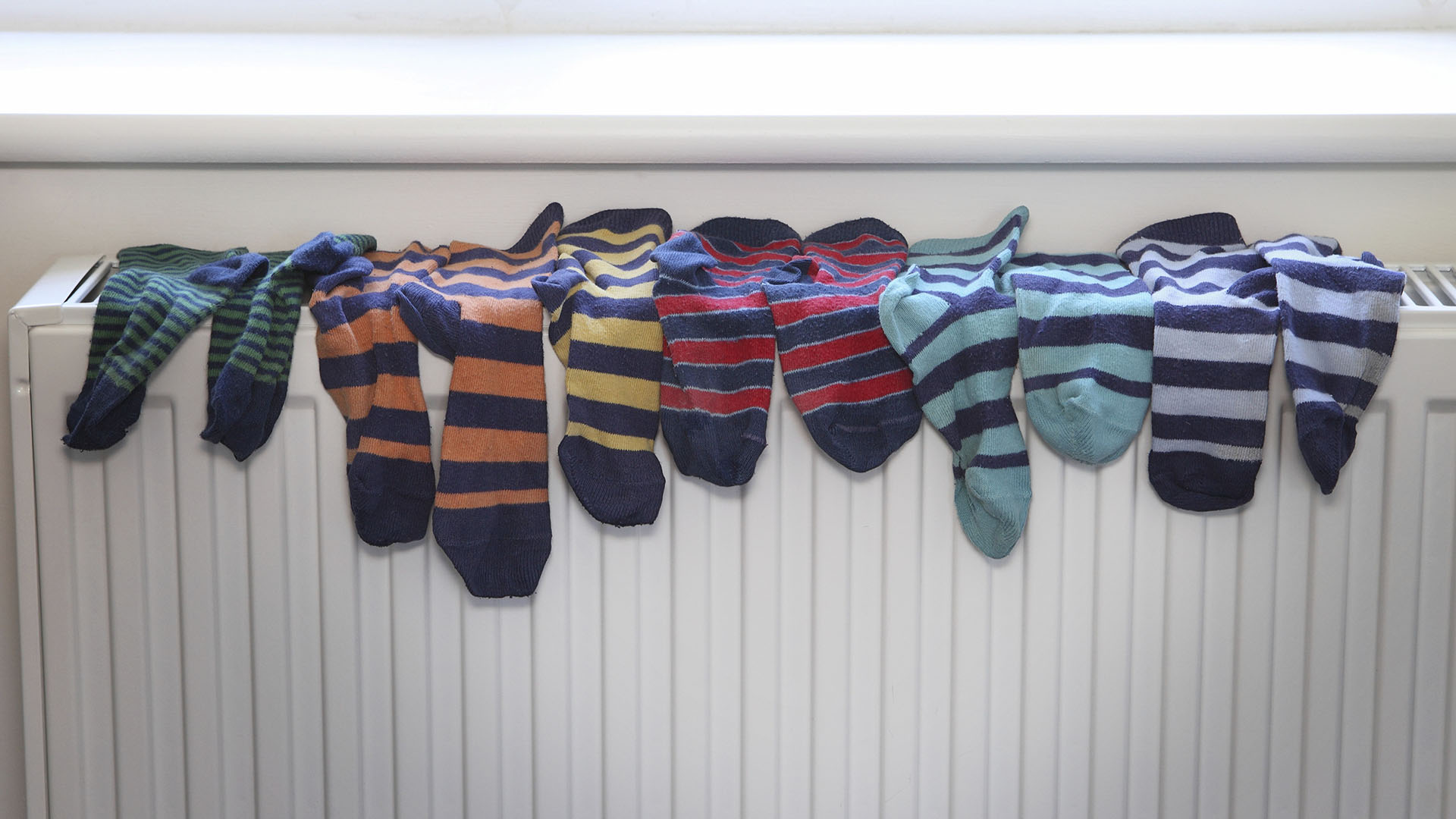
(Image credit: Getty Images)
2. Making your home feel warmer
Lowering the moisture content in the air should mean your heating system doesn't have to work so hard to warm your home. Plus, dry air feels warmer than humid air at the same temperature. By lowering indoor humidity, you may find you can turn your thermostat down slightly without feeling colder.
In some homes, this can lead to modest energy savings over winter, even once the electricity used by the dehumidifier is taken into account. The exact benefit depends on insulation, heating efficiency and local climate, but in moderately humid winter conditions, the effect can be noticeable.
Sign up for breaking news, reviews, opinion, top tech deals, and more.
3. Preventing dampness in problem areas
Certain spaces are prone to damp, regardless of the season. Basements, utility rooms, bathrooms without windows and poorly ventilated areas can all accumulate moisture in winter from showering, cooking, drying laundry indoors and everyday living. In modern, well-insulated homes, this problem can become worse rather than better.
In such cases, a dehumidifier can prevent that lingering dampness that leads to musty smells, mildew and mould, and over time, damage to furnishings, finishes and stored belongings. These issues develop slowly, but repairs can be costly in the long term.