What if the fastest way to ‘build’ homes is to stop building?
One of the solutions to the housing crisis could be right under our noses – or over our heads.
Opinion
By Dr Ehsan Noroozinejad
January 12, 2026 — 11.25am
Walk through any big city on a Friday and you can feel it. Some office streets are quieter than they used to be.
At the same time, finding a home has become painfully hard. Rents are high. Vacancies are low. Waiting lists are long.
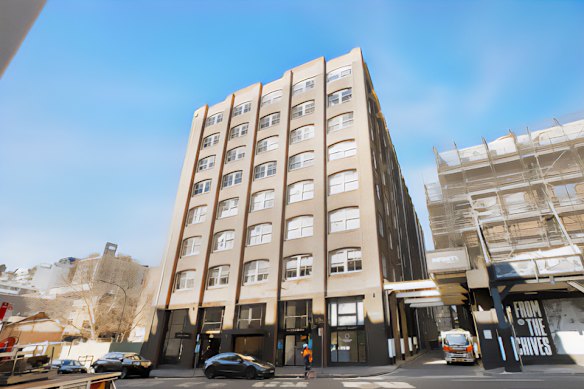
The sole successful application for an apartment conversion in central Sydney in the past two years is this former warehouse in Ultimo.
So a simple question keeps coming up. If we have empty or underused offices in our city centres, why not turn them into apartments?
This idea is not new. But it is now getting new attention. And the place to watch right now is the United States, especially New York City.
New York has been converting office buildings into housing for years. The Wall Street Journal reports that nearly 30 million square feet of office space (2.8 million square metres) have been converted into homes over the past two decades, and the pace has picked up again recently. The city’s own numbers show why this matters. A New York City Comptroller’s report counted 44 completed, under way, or potential office-to-home conversions as of early 2025. Together they total about 15.2 million square feet and could deliver about 17,400 apartments.
That does not “solve” housing on its own. But it is real supply, in places where people already want to live. It also helps cities deal with office space that is no longer needed at the same level.
Why is the US pushing this now? In plain terms, remote and hybrid work changed the market. Some companies downsized. Some moved. Some upgraded to newer buildings and left older ones behind.
That has created a gap. In New York, the conversions still touch only a fraction of the excess office space, but the pressure to find new uses is rising.
Money matters too. High inner-city rents make these projects more likely to stack up. And government settings can make a big difference. New York’s public debate now includes tax settings and planning rules designed to encourage more conversions. Supporters say they speed up new homes but critics say they can be expensive for the public budget.