When will a total solar eclipse, the blood moon & the ring of fire appear in 2026
2026 promises a celestial spectacle with four eclipses, including a rare "ring of fire" and a total solar eclipse visible from mainland Europe. This year marks the beginning of a busy period for skywatchers, with significant lunar and solar events clustering together. Planetary alignments also grace the night sky, offering repeated reasons to look up.
The night sky has a habit of slipping into the background during quieter years. Fewer headline events pass overhead, and attention moves on. That calm is set to break in 2026. The year opens with a concentrated run of eclipses and planetary gatherings that arrive close enough together to feel connected rather than isolated.
Some will be brief. Some will be visible only from narrow paths. Others will unfold slowly, giving plenty of time to notice small changes in light and colour. None of this alters daily routines, yet it quietly reshapes how often people look up. Dates begin to matter again. Markers appear on calendars. For those who enjoy watching the sky without expectation, 2026 offers repeated reasons to pause, step outside, and wait.This knowledge comes from articles that Forbes has put out.
2026 is important for eclipses: A year for skywatchers
The year contains four eclipses spread across six months. Together, they signal the start of a much busier period that continues into 2027 and 2028. Rather than one standout moment, the interest lies in the rhythm.Eclipses that once felt rare begin to cluster. Solar and lunar events arrive within weeks of each other, making the year feel unusually full for skywatchers.
Ring of fire happens on 17 February 2026
On 17 February 2026, the first eclipse of the year takes place. It is an annular solar eclipse, often called a ring of fire. The moon passes in front of the sun but does not cover it completely. A thin circle of sunlight remains visible around the edge.At its maximum, 96% of the sun will be covered for up to two minutes and twenty seconds. The path of visibility crosses remote southern regions, meaning very few people will see it directly.
When will the blood moon appear
A total lunar eclipse follows soon after. On 3 March 2026, the moon will pass fully into Earth’s shadow. For around 58 minutes, it will glow red.This effect comes from sunlight filtered through Earth’s atmosphere and bent towards the moon. Unlike solar eclipses, lunar eclipses are slow and gentle. No special equipment is needed. This will also be the last total lunar eclipse until 2029, adding weight to the date.
What makes 12 August 2026 special
The most anticipated event of the year arrives on 12 August 2026.
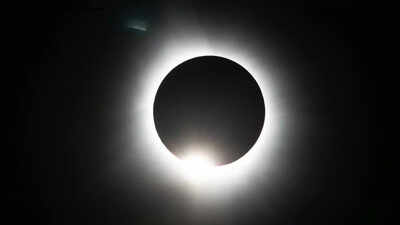
On that day, a total solar eclipse will be visible from parts of the North Atlantic and mainland Europe.Totality will last up to two minutes and eighteen seconds, reaching its peak near Iceland. For areas within the path, daylight will briefly fade. The sun’s outer atmosphere may become visible. This will be the first total solar eclipse seen from mainland Europe since 1999.