Your wallet isn’t as clean as you think: What a microbiologist found living on money
Microbiologist Dr. Shweta revealed the hidden fungal colonies thriving on money by culturing it in a lab. Her findings highlight how everyday cash, passed through many hands, becomes a breeding ground for microbes. This underscores the importance of diligent hand hygiene to prevent the spread of potential infections.
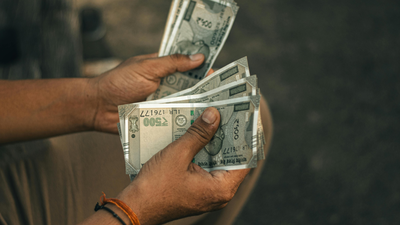
credit-canva
Most people think of their wallet as a safe, boring place that holds notes, cards and maybe an old movie ticket. For microbiologist Dr Shweta, it is also a petri dish waiting to happen.
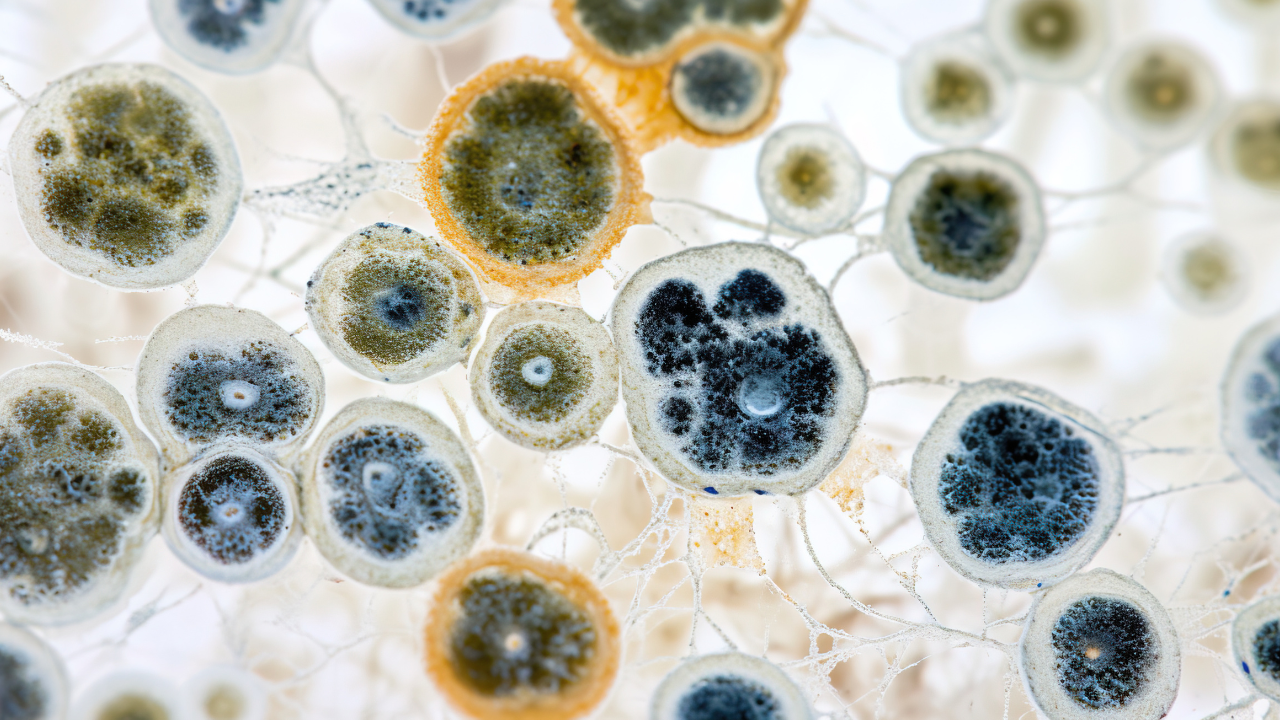
In one of her reels, she shows what really lives on money, and the result is a plate full of soft, fuzzy fungal colonies that look more like an alien landscape than something that once sat in a person’s pocket.
What Dr Shweta actually did
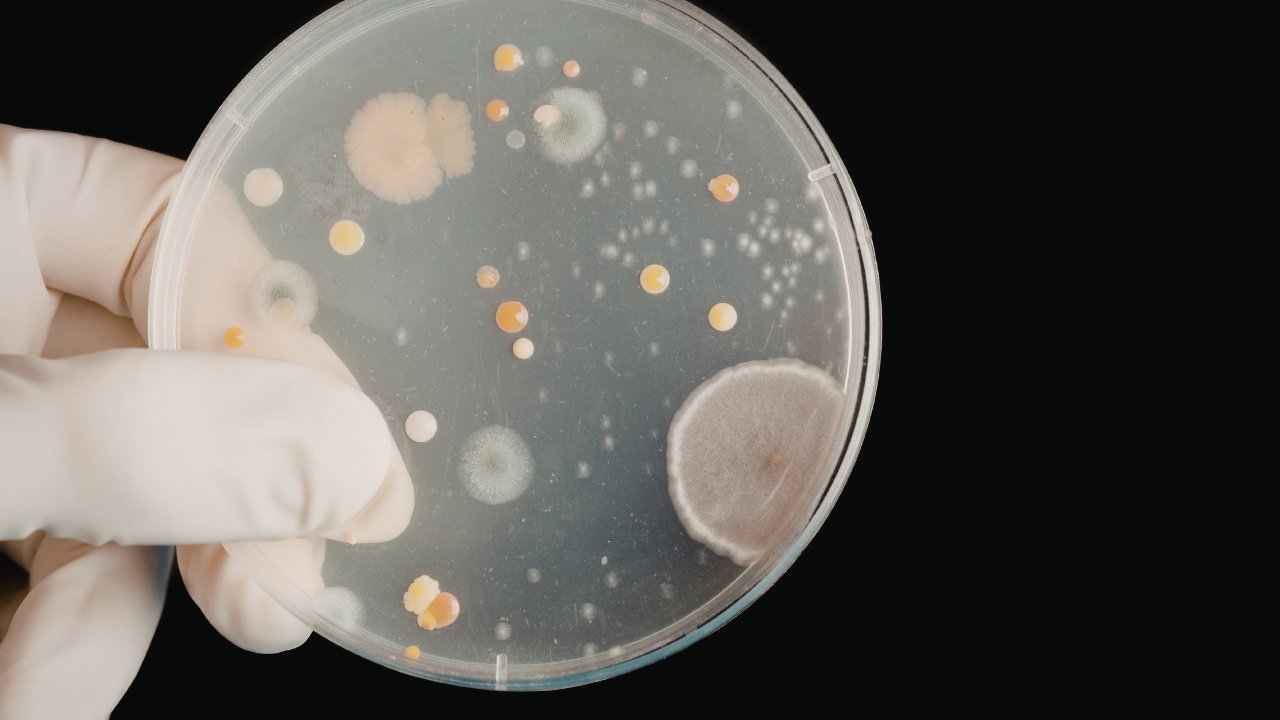
In the lab, Dr Shweta took money and gently pressed it onto a culture plate, then left it to incubate. After some time, multiple colonies of fungus appeared, each with its own colour, shape and texture. A simple note had turned into a small forest of mould. The reel is short and almost playful, but it gives viewers a rare chance to see what microbiologists see when they translate “invisible dirt” into something you can actually look at.
Why money carries so many germs
Money changes hands all day. It moves from shop counters to bus conductors, from hospital pharmacies to street food stalls, without ever being washed. The paper and ink of notes, and the tiny grooves on coins, give microbes little places to cling to.
Add sweat, humidity and the warmth of pockets or wallets, and you get a comfortable environment for fungi and bacteria to survive long enough to reach the next person who touches that note.
Fungi on money and what it means for health
The fluffy circles on Dr Shweta’s plate are not just a lab curiosity. Some environmental fungi can cause infections in people whose defences are weaker, such as those with diabetes, long term illnesses or skin conditions. For most healthy people, a quick touch is not likely to cause serious illness by itself, but the risk grows when contaminated hands touch the face, food or open skin.Over time, this can contribute to skin rashes, nail infections or, in rare cases, more serious problems in people whose immunity is already low.
Hand hygiene as the quiet hero
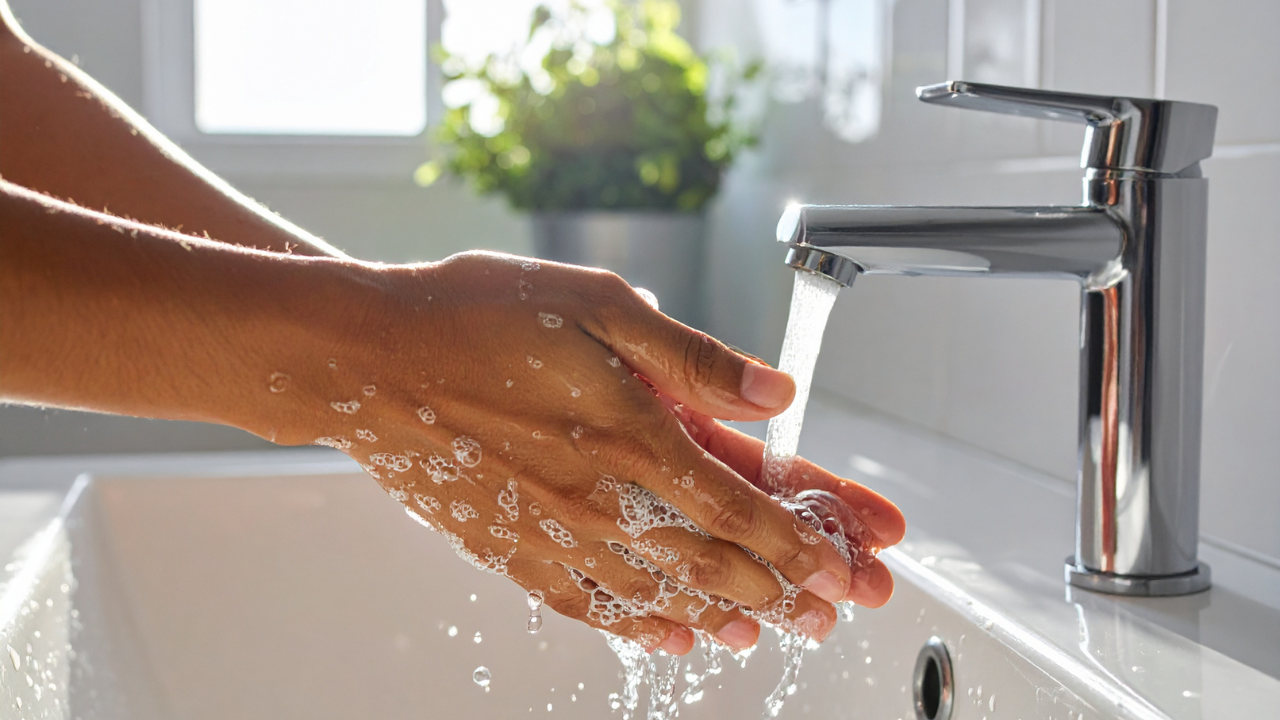
The heart of her message is simple. It is not about being scared of money. It is about remembering that our hands are the bridge between dirty surfaces and our bodies. If you wash the bridge, far fewer germs make it across.That means washing hands with soap and water after handling cash, before eating and when you return home.
When soap and water are not handy, a small bottle of alcohol based hand rub in your bag or at the counter can help. These are small habits, but they add up.