Zohran Mamdani's win made Promise Mascot Agency the most relevant game of 2025
SOURCE:Polygon|BY:Giovanni Colantonio
Promise Mascot Agency, a management sim about tackling a corrupt mayor, became way more relevant in light of Zohran Mamdani's NYC mayoral win.
Published 2 hours ago
There’s a lot to learn from a game that so earnestly believes in the power of the people
Zohran Mamdani won, and suddenly a video game about beating a crooked mayor felt real
Graphic: Polygon | Source images: Kaizen Game Works/Zohran for NYC
In 2025, I experienced two mayoral elections.
One was in my own backyard. For a good portion of the year, New York City’s local politics became a matter of national interest. It was a hot election cycle thanks to then-mayor Eric Adams, an eccentric political figure who had spent years in office embroiled in scandal. Adams was vulnerable and that opened up a power vacuum in a divided Democratic party. It seemed all but inevitable that former New York governor Andrew Cuomo would fill that gap, outrunning sexual misconduct allegations that pushed him out of office in 2021. That was until a young democratic socialist named Zohran Mamdani would successfully rally frustrated New Yorkers in a grassroots campaign story for the ages.
Before that, I saw a different mayoral race play out in Kaso-Machi. The implications of this one weren’t so global. A small Japanese village, Kaso-Machi was an example of a once-thriving community reduced to a ghost town through years of neglect from crooked politicians who didn’t have people’s best interests in mind. For years, it seemed like there was no hope of removing Mayor Maeda from power — at least not until an unlikely candidate got angry enough to take up the cause and put a voice to the town’s frustrations.
Image: Kaizen Game Works
You wouldn’t have heard about Kaso-Machi’s election in the news, because Kaso-Machi doesn’t exist. It’s the fictional setting of 2025’s Promise Mascot Agency. Developed by Kaizen Game Works, the studio behind the 2020 cult hit Paradise Killer, Promise Mascot Agency is an eclectic genre mash-up that defies any easy description. It’s an open-world adventure. It’s a truck driving game. It’s a deckbuilder. It’s a small business simulator. But above all else, it’s an example of life imitating art. Its story about a group of costumed misfits trying to save the soul of their home unexpectedly transformed into one of last year’s most relevant games, now that the dust has settled. Amid its infinite charm and silliness, there’s a lot to learn from a game that so earnestly believes in the power of the people.
Promise Mascot Agency doesn’t begin with a political conflict; instead, it opens with a criminal one. Michi is a cleaner for a Yakuza family, a gig that’s earned him the nickname The Janitor. After a financial scheme goes south, Michi takes the fall for his boss and is sent into exile. That lands him in Kaso-Machi, a town that casts a deadly curse on Yakuza men. He’s doomed to waste away in a town that itself is in the process of dying.
At first, Michi isn’t terribly concerned with the town’s problems. It’s just a quiet hiding place where he can help work off his boss’ debt by taking charge of the local Promise Mascot Agency. The failing small business dispatches its roster of mascots out to different events throughout town, whether it's the opening of a new business or a birthday party. The operation is in shambles by the time Michi gets into town. Work has dried up and most of the mascots have disbanded. The exception is Pinky, a sentient finger with a serious anger problem. Together, Pinky and Michi try to rebuild the business in a convenient mutual partnership.
Image: Kaizen Game Works
It’s through that relationship that Michi actually gets clued into what’s happening in town. Mayor Maeda is your typical politician, one who talks a big game about investing in Kaso-Machi just to get votes, but never follows through on his promises. His reign as mayor has sent the village into disrepair, leaving the town’s misfit residents to tumble further into economic turmoil as the rich get richer. It’s enough to radicalize Michi, a man who sees little daylight between the local government and the criminal underworld he knows. What is a crooked mayor if not a Yakuza boss, right?
Even though I played Promise Mascot Agency before the election in my own city was in full swing, I couldn’t help but see some parallels. In 2021, Eric Adams was elected the 111th mayor of New York City, where I’ve lived for nearly 15 years now. It all happened only a few years ago, and yet it all feels like a blur. Adams won the primaries (narrowly beating Kathyrn Garcia through ranked choice voting math) by touting his history with the New York Police Department. None of his challengers could put forth a sales pitch to match and that allowed Adams to become the city’s Democratic candidate, which is effectively a de facto win in a New York City general mayoral election. Then things got weird.
It’s hard to explain how consistently bizarre the Adams years were to anyone who doesn’t live in New York City. He had the energy of a local eccentric you’d see in your bodega every morning. He was a constant source of strange soundbites. Who can forget classics like: “This is a place where every day you wake up you could experience everything from a plane crashing into our trade center through a person who’s celebrating a new business that’s about to open.” The only time I ever saw him in person was when I attended an Xbox event aimed at local game developers, in which Adams appeared as a surprise guest, beginning his speech to the crowd with, “I don’t know anything about video games.”
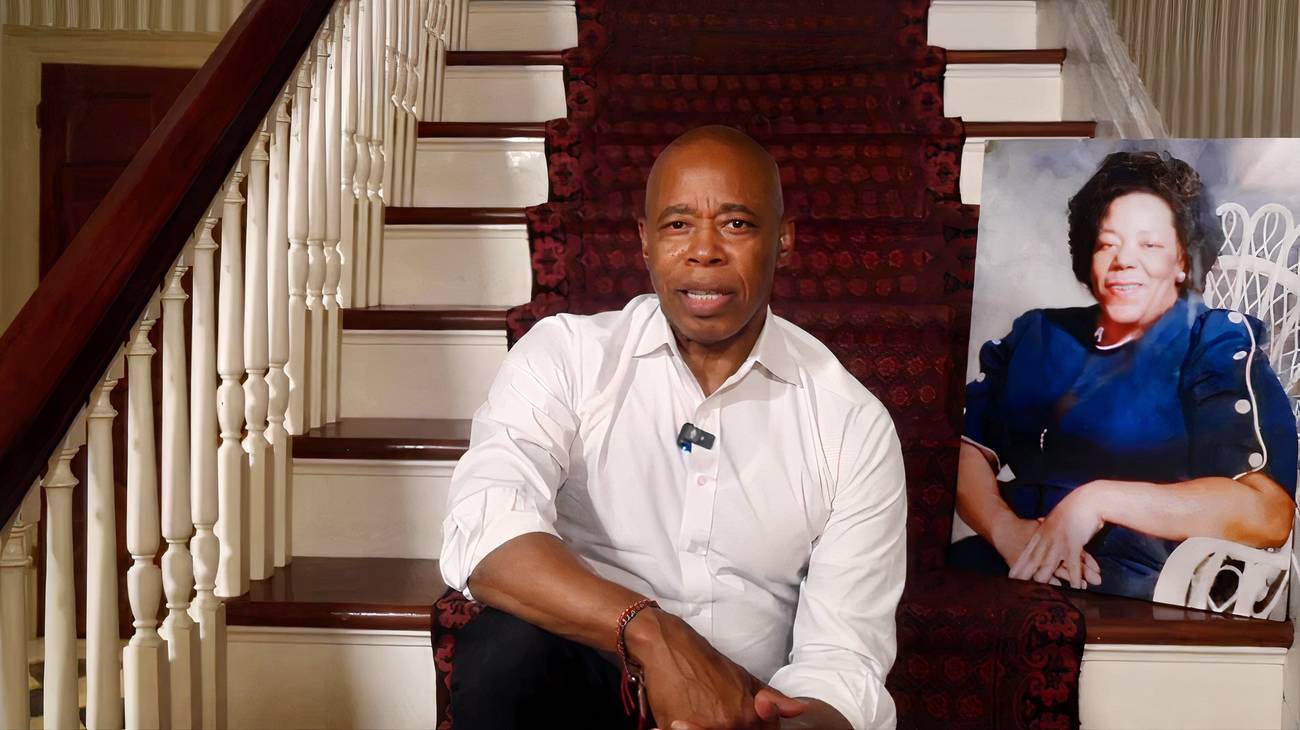Image: Eric Adams
It would all have been a lot funnier if Adams didn’t hold a tremendous amount of power. Under his reign as mayor, the cost of basic needs rose across the city. Adams did little to address that crisis, instead placing much of his focus on hiring more NYPD officers and policing crimes like fare evasion in the city’s subway system. That would have made Adams a controversial mayor on its own, but his reputation was further tarnished by scandals that followed him through his reign. Bribery charges hung over his final years as mayor, eventually weakening his reelection chances in 2025. Many New Yorkers were fed up; they just didn’t know how to deal with that rage.
Pinky finds herself in a similar position in Promise Mascot Agency. As the story progresses, Michi eventually asks Pinky why she doesn’t just run against the mayor in the upcoming election. Who, Pinky? A well-meaning loudmouth with no political experience? It sounds like a waste of time, considering Mayor Maeda’s stranglehold on the town. One little misfit can’t make a difference anyway.
The story only kicks into full gear once Pinky gets the confidence to run, with Michi acting as her campaign manager. In addition to dispatching mascots and gathering cash to pay off the Yakuza’s debt, another task is thrown into players’ lap as they drive around Kaso-Machi: pop-up debates. Pinky and Michi occasionally find the mayor giving speeches around town and can turn that into a campaigning moment, calling out his hypocrisy while putting forth a healthier vision for the town. What starts as a screwball comedy about incompetent mascots soon transforms into a political drama about an unlikely grassroots effort that gives a voice back to the voiceless.
Like Kaso-Machi, New York City is a town full of misfits.
Only a few months after I played through Promise Mascot Agency, New York City’s primary campaign got into full swing. As it approached, shades of 2021 began to pop up. Despite feeling like a weak candidate, Andrew Cuomo seemed poised to win the Democratic nomination with little resistance. There were limited alternatives and no candidate was breaking through with a message strong enough to top Cuomo’s name recognition. New York City was going to be run by another establishment politician with his own baggage, at a time where the city was in need of change. No one could stop that inevitability — or so New Yorkers thought.
The first time I saw a campaign ad for Zohran Mamdani, I had no idea what I was looking at. I thought he was a Daily Show correspondent based on the sense of humor and production quality of his videos. He spoke charismatically and said all the right things about New York’s affordability problem, but he felt like an unrealistic longshot. Then his campaign posters started appearing in the windows of local businesses on my block. The streets filled up with canvassers. Soon, my mother who lived in Massachusetts was asking me who he was. There was a real sense of momentum, fueled by an on-the-ground campaign strategy that targeted a kind of New Yorker who didn’t feel that the city’s leadership was in touch with their problems.
Like Kaso-Machi, New York City is a town full of misfits. The iconic images of men in expensive suits walking around Wall Street only offer a narrow glimpse into the city’s diverse makeup. It’s something you only really see when you spend time living deep in the boroughs alongside working people trying to make ends meet in a city where the rent prices keep pushing them further towards the outskirts. Survival only seems to get harder and harder as wages fail to keep pace with the rising cost of living. When I talk to friends from out of town about the rising economic barriers, they usually ask the same question: Why not just move? I offer a counter: Why should the people who care about the city move?
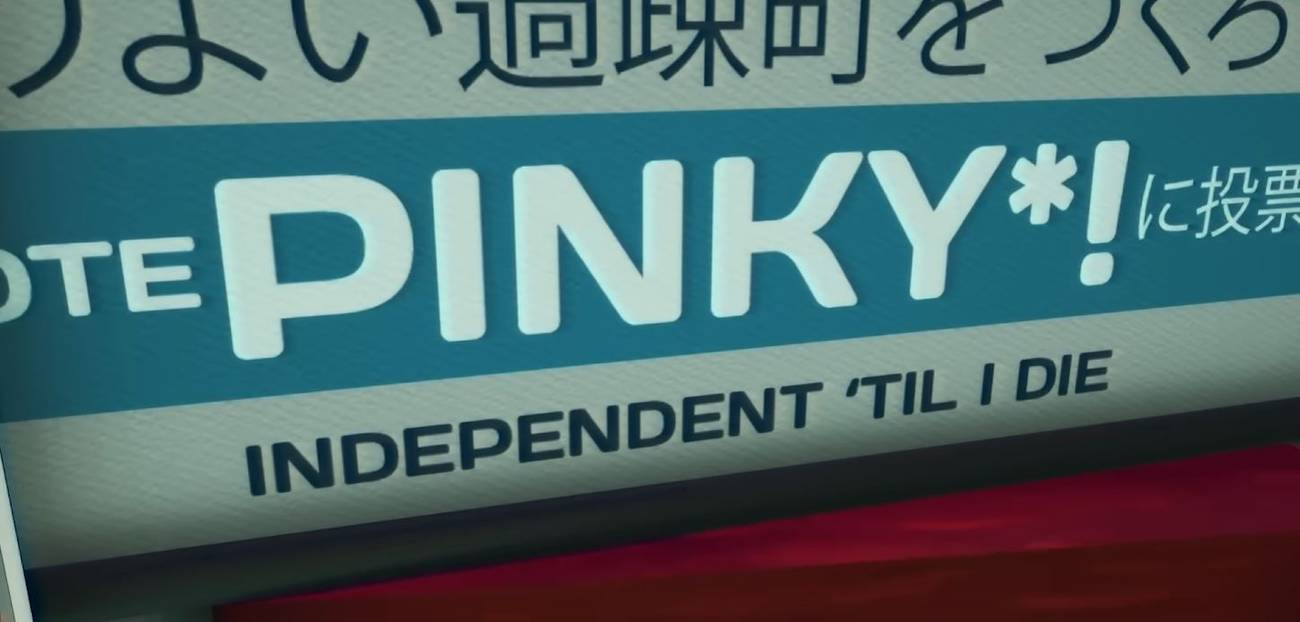Image: Kaizen Game Works
In all its fantastical whimsy, Promise Mascot Agency reminds me of home in ways that few games actually set in New York City do. (See: this year’s Battlefield 6 and its ludicrous Brooklyn missions.) It’s a story about a community in crisis, at the mercy of a corrupt political machine that cares not for the needs of the people. Kaso-Machi feels like a lost cause. And yet, it’s still full of weirdos willing to fight for the place they call home. One loudmouthed pinky inspires someone else to speak up. The voices come together until a whisper turns into a roar. Together, the powerless gain the power to topple mountains, or at least halt a political inevitability.
As of the time of publication, Zohran Mamdani is officially New York City’s mayor. It will be a long time until we know if he can live up to the big promises that propelled him to victory or if he’ll become another in a long line of hated New York City mayors. History tells us to stay on our toes. But what’s different about this inauguration from the last one is that now we know who holds the power in this town. The misfits run the agency, and you’re going to have to answer to millions of Pinkys if you screw up.

 Graphic: Polygon | Source images: Kaizen Game Works/Zohran for NYC